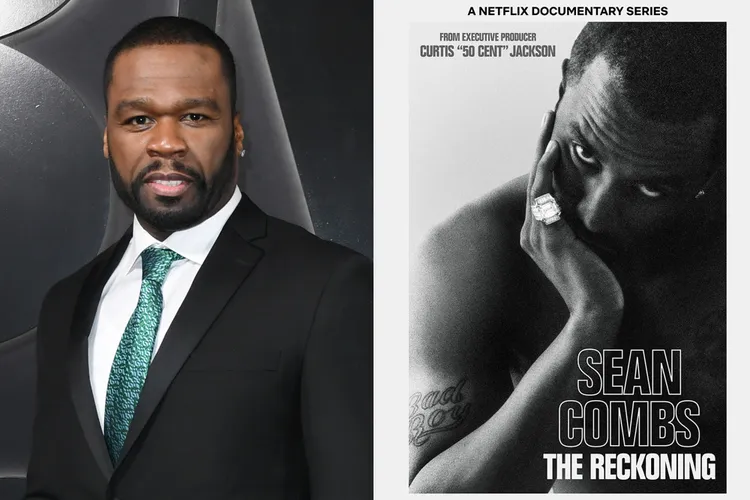
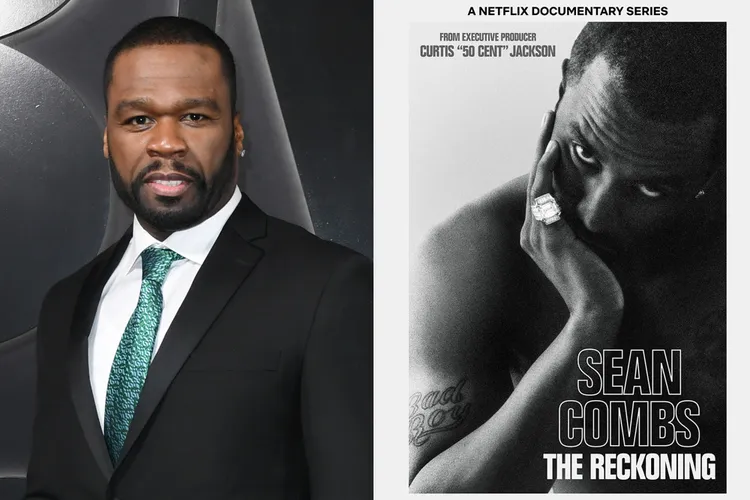
Inside 50 Cent’s Controversial Acquisition of the Diddy Footage — What Really Happened Behind the Scenes of The Reckoning
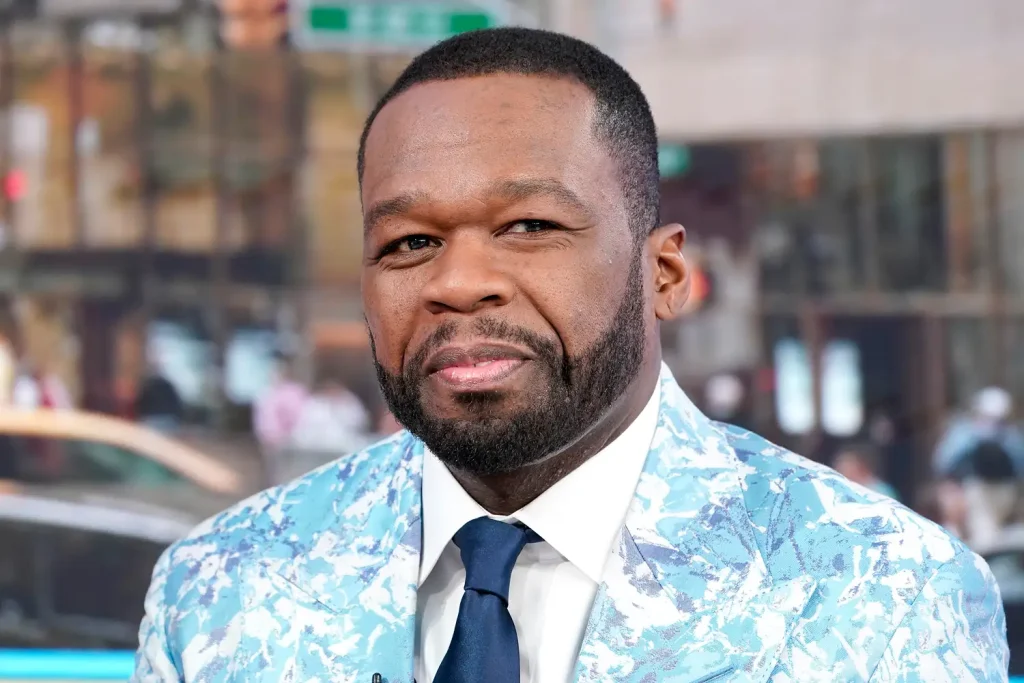
Curtis “50 Cent” Jackson has never been a quiet figure in entertainment, but the release of Sean Combs: The Reckoning has placed him at the center of one of the most complicated and closely watched celebrity controversies of the year. The rapper-turned-producer has taken on many roles in the past two decades — musician, entrepreneur, television creator — but few projects have generated as much conversation as this new docuseries, especially after it revealed never-before-seen footage of Sean “Diddy” Combs in the days leading up to his September 2024 arrest. It is the kind of footage that alters public understanding, reshapes narratives, and invites intense scrutiny. And one question has followed the docuseries since its release: how did 50 Cent get access to the videos in the first place?
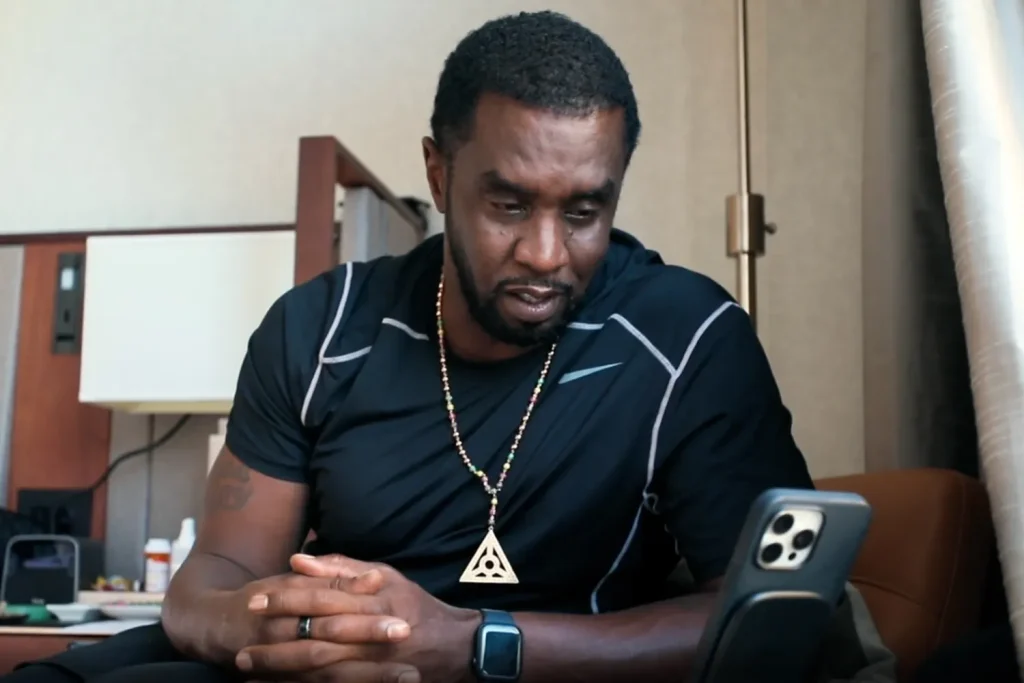
The footage appears at a critical point in the series, showing Combs speaking candidly with members of his legal team, unaware that the cameras capturing the moment would later become part of a national documentary release. It is intimate, raw, and striking in the way it contrasts with his public persona — especially considering what would unfold just days later. For viewers, the revelation was jarring. For Combs’ attorneys, it was unacceptable. And for 50 Cent, it was a moment he insists was rooted in journalists, independent investigators, and whistleblowers who believed the material needed to be seen.
The path to the footage began quietly. According to sources close to the production, several individuals connected to Combs’ circle — including former employees, independent contractors, and individuals who worked around the periphery of his legal and entertainment teams — were approached as the docuseries was developing. Some came forward voluntarily. Others responded after hearing about the project. The footage itself, captured before Combs’ arrest, surfaced only after months of communication between the production team and those who claimed to have access to internal recordings.
50 Cent has not publicly disclosed the identity of the individuals who provided the videos, and Netflix has declined to comment on the specific chain of custody. What is known is that the material was offered to the producers during a period when public questions about Combs’ legal troubles were escalating. The footage arrived with documentation attesting to its origin and was reviewed by legal teams before being included in the docuseries. For the producers, the videos represented a rare look into a man facing mounting legal pressure, revealing what he believed would remain behind closed doors. The docuseries frames the footage not as an act of intrusion but as essential context in understanding Combs’ state of mind and the broader narrative of what was unfolding around him.
Combs’ attorneys, however, see the matter very differently. They responded swiftly after the documentary’s release, issuing a cease-and-desist order claiming that the footage was “never authorized for release” and should have remained private. Their argument centers not only on privacy but on ownership, suggesting the recordings were internal legal materials that should not have been accessible to outside parties. Combs, who is currently serving a 50-month sentence in prison following his conviction on prostitution-related charges, has strongly denied that he ever granted permission for the footage to be used in any format. Through his legal team, he has insisted that the release of the recordings was unlawful.

Netflix disagreed immediately and firmly. A spokesperson for the streaming platform dismissed Combs’ claims as “false,” stating that the company conducted extensive verification before acquiring and airing the material. Netflix emphasized that it obtained the footage legally through channels that were authorized to release it and noted that the individuals who provided the recordings confirmed they had the right to do so. Their response was unusually strong for a platform that rarely engages publicly in disputes about source material. It signaled that the company stands confidently behind its documentation, suggesting that the path to the footage may have been more complex than what appears on the surface.
For 50 Cent, this conflict has amplified interest in the series. He has long positioned himself as someone unafraid to challenge power structures, especially in the entertainment industry. In his career, he has sparred with rivals, exposed scandals, and embraced controversy as a part of his public identity. The release of The Reckoning is not simply a production credit for him — it is a statement about transparency, justice, and the dark corners of celebrity culture. He has hinted that the footage was not stolen, hacked, or improperly obtained, but offered by individuals who “wanted the truth out” and believed the public should see what happened behind the scenes as Combs faced mounting accusations.
The tension between Combs and 50 Cent is not new, but it has taken on a sharper edge in light of Combs’ legal troubles. Their rivalry, once grounded in hip-hop competitiveness and public taunts, now intersects with a documentary exploring allegations and internal collapse. For 50 Cent, the series appears to be not just investigative but personal — a chance to highlight the stories of people who claim to have been harmed, while also confronting a longtime adversary whose public image has undergone a dramatic shift.
Industry insiders suggest that the footage may have come from contractors hired to film internal legal meetings, possibly for documentation or strategy review. It is not uncommon for high-profile legal teams to record sessions, especially when coordinating between multiple attorneys. Those recordings are typically stored securely, but the individuals responsible for handling or storing the files may vary widely. If any portion of that team was independent or subcontracted, the chain of ownership becomes even more complicated — and that complication may have played a role in how the footage ended up in the hands of the filmmakers.
The circumstances surrounding Combs’ arrest in September 2024 add another layer of intensity. His legal issues had already become major news, and federal investigators were tracking various aspects of his business operations. The footage captured him during a particularly tense period, speaking with lawyers about accusations that he believed were being exaggerated or manipulated. It was a snapshot of a man fighting to control a narrative that was moving increasingly out of his grasp. When the arrest came days later, the footage took on new meaning — no longer a private conversation but a piece of a rapidly evolving story.
50 Cent has suggested that The Reckoning is only the beginning. He has hinted publicly that additional material exists, though it remains unclear whether that material has been verified or will be included in future projects. His approach to the documentary has been described as relentless, with a determination to uncover details that many assumed would never reach the public. Whether this comes from a sense of responsibility, personal motivation, or a combination of both is something only he can answer.
What cannot be ignored, however, is the cultural impact. The release of the footage has reignited debates about privacy, celebrity accountability, and the ethics of exposing someone’s internal legal discussions. Supporters argue that when an individual with Combs’ level of influence faces accusations as serious as his, transparency becomes critical. Critics say that regardless of the charges, private legal meetings should remain protected unless released through formal channels.
The fact that Combs was acquitted of racketeering and trafficking charges but convicted on prostitution charges complicates public reactions. Some viewers believe the footage helps clarify inconsistencies in how he responded to allegations. Others feel it unfairly paints him in a negative light at a moment when he had not yet been found guilty of anything. The reaction is mixed, emotional, and charged — a reflection of how deeply Combs’ legacy has fractured.
Looking ahead, legal experts say the dispute over the footage could continue. Combs’ cease-and-desist order may lead to civil proceedings if his team pushes forward. Netflix has indicated it will defend its right to air the material, and 50 Cent appears fully prepared to back the platform. For now, the videos remain available in the docuseries, drawing millions of views and fueling ongoing conversations about their origin.
What is certain is that the story behind The Reckoning is larger than the footage itself. It is a story about shifting power in the entertainment industry, the rise of whistleblower-led narratives, and the way public interest in celebrity accountability has grown sharper and more unrelenting. It is also a story about two men whose careers have been intertwined for decades — sometimes as competitors, sometimes as adversaries, and now as opposing figures in a documentary that forces viewers to confront uncomfortable truths.
The release of the Diddy footage marks a defining moment in that long-running dynamic. Whether it becomes a footnote in a larger legal saga or a cornerstone of a broader cultural reckoning remains to be seen. But one thing is clear: 50 Cent understands the power of imagery, timing, and narrative. And in releasing this footage, he has again positioned himself at the center of a moment that will be discussed long after the credits of The Reckoning stop rolling.