A new baby graveyard has been found near the site where 796 infants were long feared dumped into a septic tank — deepening Ireland’s most haunting historical tragedy
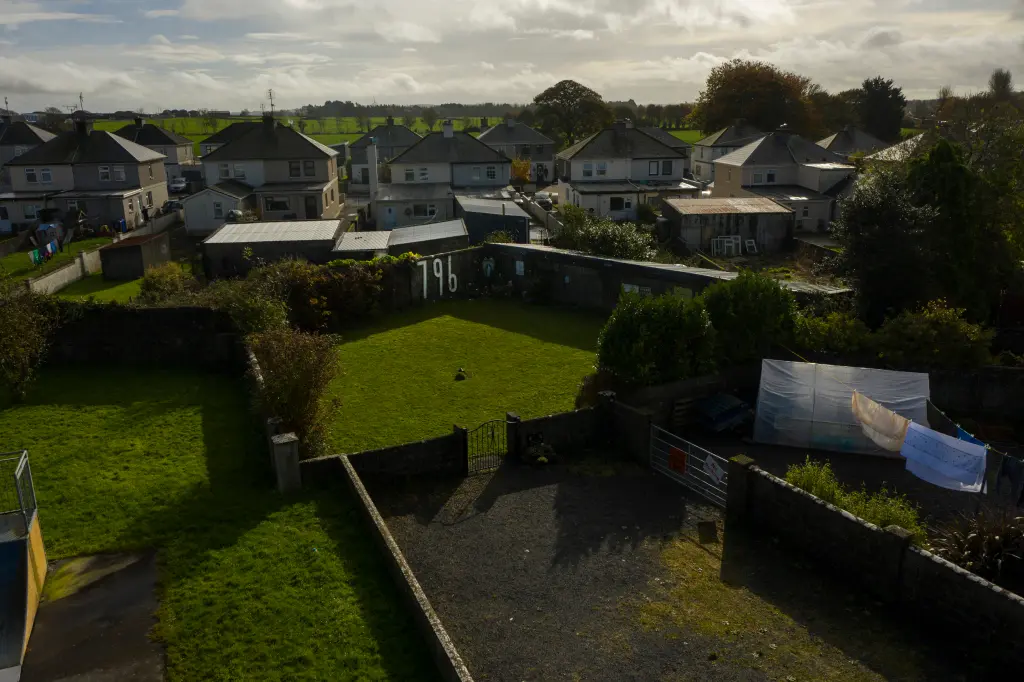
A second baby graveyard has been uncovered at the site of a former Irish mother-and-baby institution, adding an even darker chapter to one of Ireland’s most painful historical wounds. For years, the property in Tuam, County Galway, has symbolized a heartbreak many hoped would never deepen — a former maternity home run by Catholic nuns where nearly 800 infants were believed to have died and, according to earlier investigations, may have been placed in a disused septic tank. Now, officials have confirmed the existence of another burial area, located roughly 55 to 105 yards from the tank that has haunted Ireland’s collective memory for nearly a decade.
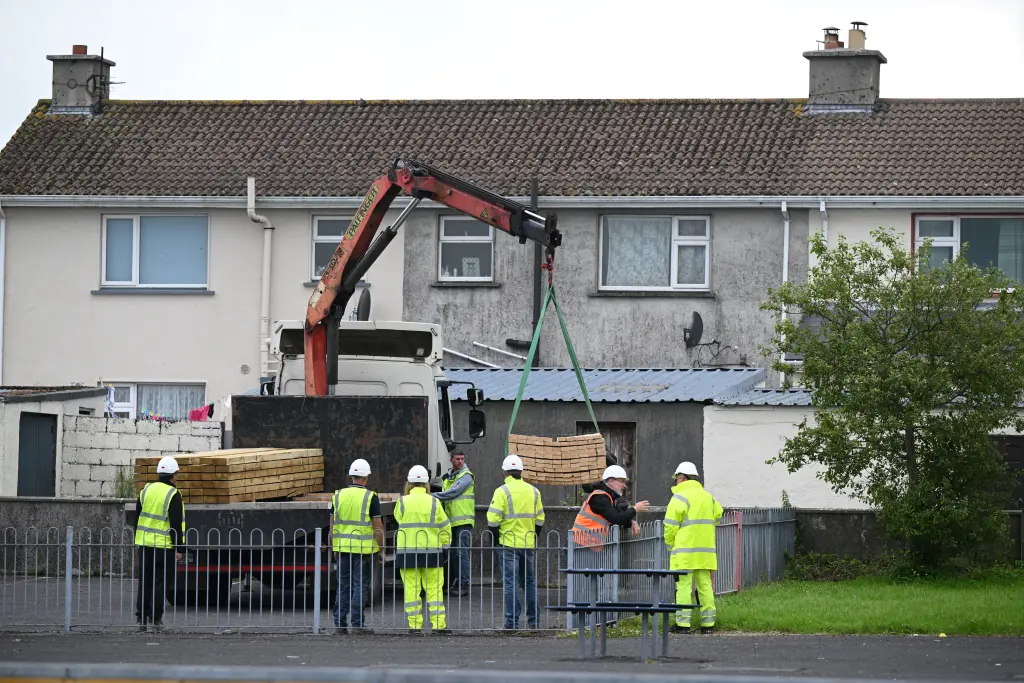
Director Daniel MacSweeney, speaking to Ireland’s national broadcaster RTE, revealed that the newly identified site sits within the same grounds where unmarried mothers once lived under strict supervision, many of them isolated from society by stigma and fear. Although the home closed in 1961, its legacy has continued to echo through generations, resurfacing every time new information comes to light. The discovery of an additional burial zone has drawn both sorrow and renewed determination toward uncovering the full truth about what happened to the infants who lived — however briefly — within the walls of that institution.
The Tuam home, operated by the Bon Secours Sisters, has been at the center of international attention since the early 2010s, when local historian Catherine Corless uncovered documentary records showing 796 children had died there between 1925 and 1961. Her research raised alarming questions about the final resting places of those infants, prompting widespread scrutiny, government intervention, and a national reckoning. In 2017, forensic tests confirmed the presence of infant remains in the underground chamber on the property, a discovery that horrified the country and led to vows that every child’s story would be acknowledged and investigated.
Now, the newly identified graveyard broadens that already devastating picture. MacSweeney’s statement to RTE emphasized that the second site appears to contain marked graves — a significant contrast to the septic tank — but it is not yet clear how many remains are present, how they were buried, or why these children were laid to rest separately from the others. Those questions, like so many surrounding the Tuam institution, remain unanswered. What is known is that the site aligns with the era during which the home was active, suggesting that yet more infants who died under the care of the institution were laid to rest in ways that were never fully recorded.
For families connected to the home, the discovery reopens wounds that have barely begun to heal. Many descendants of the women who lived in the institution grapple with a mixture of grief, anger, and profound sadness. The stigma that once silenced young mothers is long gone, but the consequences of that silence remain visible in the absence of burial records, the lack of transparency surrounding institutional practices, and the emotional burden carried by entire communities. The second graveyard underscores just how much was hidden, how many stories were left untold, and how urgently families still seek clarity about what happened to their relatives.
The Irish government, which previously committed funding and support for a full forensic excavation of the original burial site, now faces renewed calls to expand the investigation. Officials have stated that they will evaluate the new information carefully and work alongside experts to determine the next steps. The Mother and Baby Homes Commission of Investigation, whose final report in 2021 drew both acknowledgment and controversy, documented years of institutional failures, neglect, and societal pressures that shaped the lives of thousands of women and children. It confirmed high infant mortality rates across several institutions but noted the Tuam site was uniquely troubling due to the manner in which remains were found.
Ireland continues to grapple with the legacy of these institutions — places where unmarried mothers were often sent in secrecy, pressured by cultural norms that viewed their pregnancies as shameful. Many women endured harsh conditions, limited autonomy, and little support. Their children faced bleak prospects, with many suffering from malnutrition and disease. While the full story of the Tuam home may never be known, each new discovery adds weight to the reality that countless families were denied the dignity, knowledge, and closure they deserved.
The second graveyard complicates an already emotional landscape. Experts who have followed the case closely say it could reshape investigative priorities and deepen public understanding of how infants were handled by the institution. If records exist for these burials, they must be located; if they do not, families and researchers will again rely on forensic science to fill the gaps. What remains constant is the need for transparency and compassion — for treating every piece of evidence with care, every discovery with respect, and every child’s story with the dignity that was missing for far too long.
Community members in Tuam reacted with a mixture of sorrow and resilience. Many have long supported efforts to uncover the truth, working alongside activists and historians to preserve memory and advocate for justice. For them, the discovery is not merely historical — it is deeply human. It represents children who never had a voice, mothers who suffered in silence, and a community determined to acknowledge every life lost within those walls.
As Ireland reflects on its past, the Tuam discoveries continue to stand as reminders of the importance of accountability. The acknowledgment of wrongdoing, the dedication to uncovering facts, and the commitment to memorializing those who died are essential steps toward healing. The newly found graveyard underscores that this work is not finished. Each update brings new responsibility — to families, to history, and to the children who never had the chance to grow up.
For now, investigators will document the site thoroughly and proceed with caution. Officials have stressed that any further excavation or forensic work must be handled with sensitivity, following best practices and respecting the wishes of families. Public interest remains high, but so does the need for careful, methodical analysis. The emotional weight of the discovery demands precision at every stage.
Even as details unfold, one truth is clear: the Tuam story continues to shape Ireland’s ongoing conversation about institutional care, accountability, and remembrance. The second graveyard does not replace or overshadow the tragedy of the septic tank discovery; instead, it expands the narrative, offering more evidence of how complex and painful this chapter of history truly was.
Families seeking answers may feel both hope and heartbreak. Hope that the truth will finally be uncovered. Heartbreak that new revelations keep emerging, each one confirming that much more was hidden than anyone originally realized. For many, the discovery is a reminder that historical injustices echo across generations — and that justice, even delayed, must remain a priority.
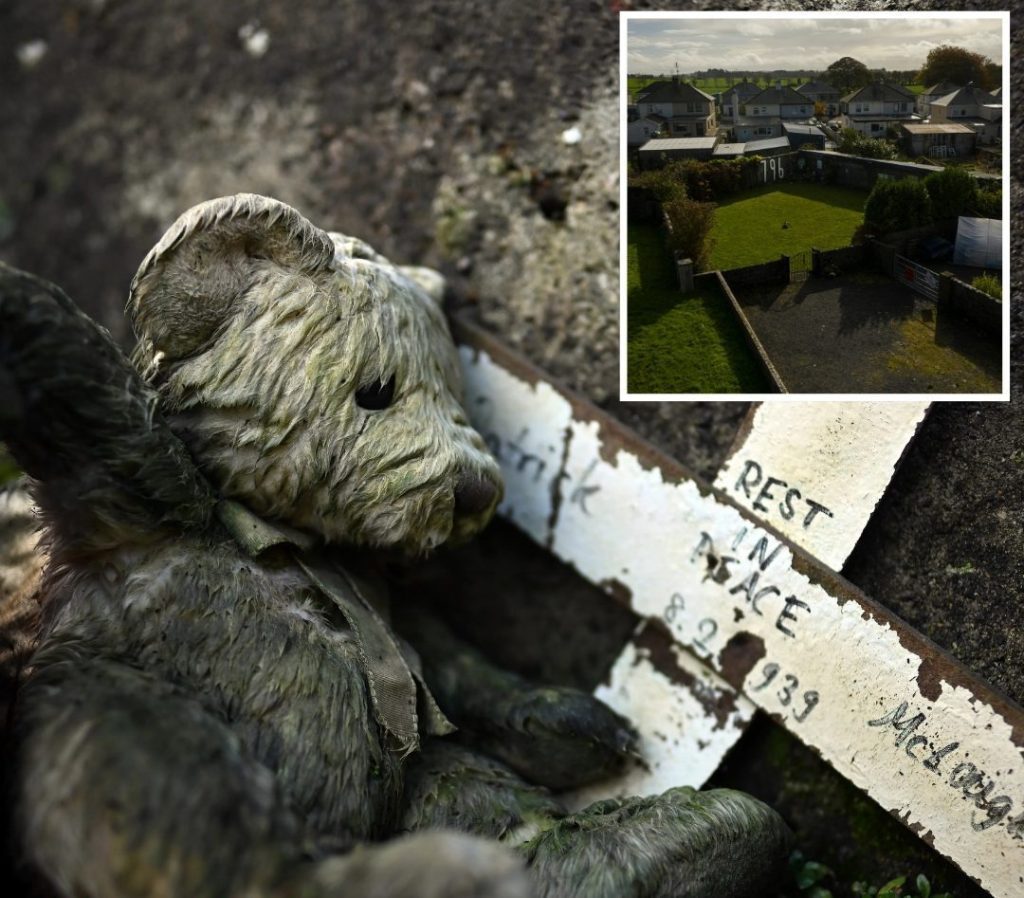
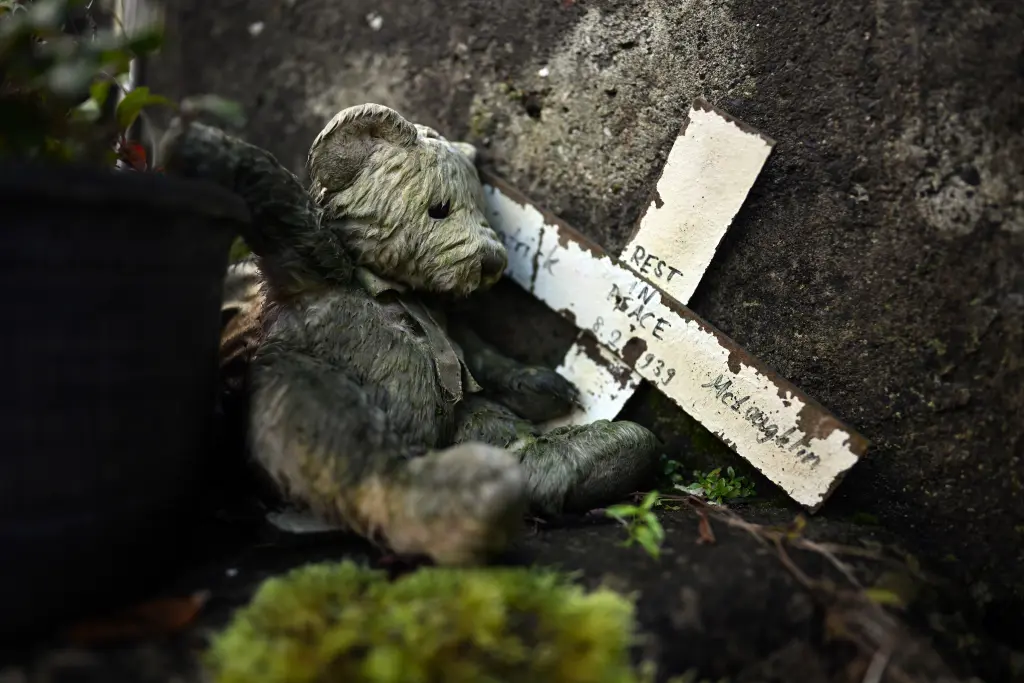
The teddy bear left at the site, the small memorials placed by visitors, and the quiet landscape that surrounds the former home all carry emotional weight. They symbolize grief, remembrance, and a promise that these children will never again be forgotten. As Ireland moves forward, the newly discovered graveyard stands as both evidence and memorial — evidence of what transpired, and a memorial to lives that were far too short.
The journey toward full truth and accountability may take time, but this discovery reinforces why it must continue. Every child deserves recognition. Every family deserves transparency. And every part of this story, as painful as it is, deserves to be understood with honesty and compassion.