In Last-Ditch Transition Move, Outgoing Mayor Installs Pro-Police Ally, Leaving Incoming Socialist with Tough Choices on Oversight and Rent
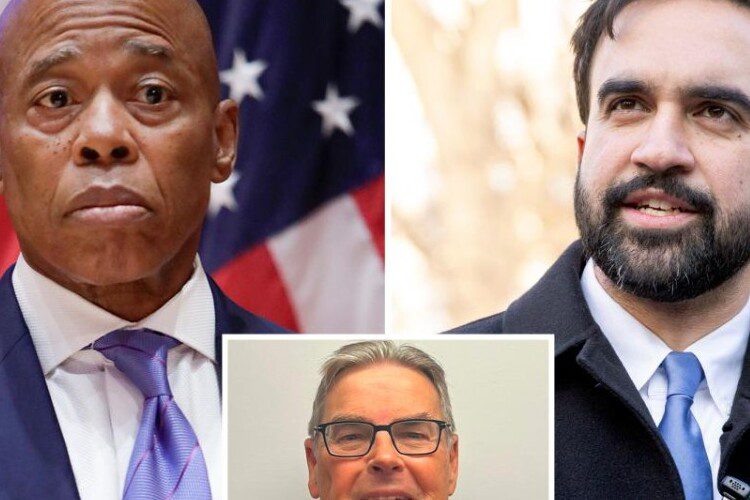
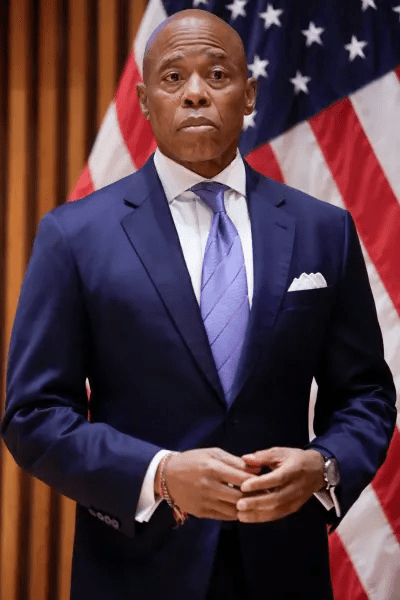
In the marbled corridors of New York City’s City Hall, where the holiday garlands draped over banisters offered a festive contrast to the steady hum of transition meetings and the faint echo of footsteps from aides rushing between offices, Mayor Eric Adams sat in his wood-paneled conference room on the afternoon of December 8, 2025, signing off on a personnel move that carried the subtle weight of a chess grandmaster’s endgame. Adams, the outgoing mayor whose tenure had been defined by crises from pandemic recovery to migrant surges, had quietly appointed former journalist Pat Smith as interim chair of the Civilian Complaint Review Board—the NYPD’s independent civilian oversight agency tasked with investigating officer misconduct. The decision, made without fanfare earlier that week, placed a pro-police advocate at the helm of a body that handles thousands of complaints annually, a strategic placement that forces his successor, Zohran Mamdani, to either retain Smith or face backlash from police unions upon taking office on January 1, 2026. For Adams, a former transit cop whose 2021 victory promised a return to basics amid 2020’s unrest, the appointment was less about legacy than legacy-making—a parting gift to the officers he’d championed and a gentle nudge to the progressive mayor-elect whose vision of reform could upend the delicate balance of trust in a city where policing remains as polarizing as it is essential. Smith’s selection, coming on the heels of Adams’ October overhaul of the Rent Guidelines Board with six real estate-friendly appointees, underscores the human drama of power’s handover: a mayor leaving with quiet resolve, ensuring his imprint lingers in the policies and people who shape New York’s safety and shelter, a reminder that in the final days of service, every signature carries the echo of lives touched and tensions left to simmer.
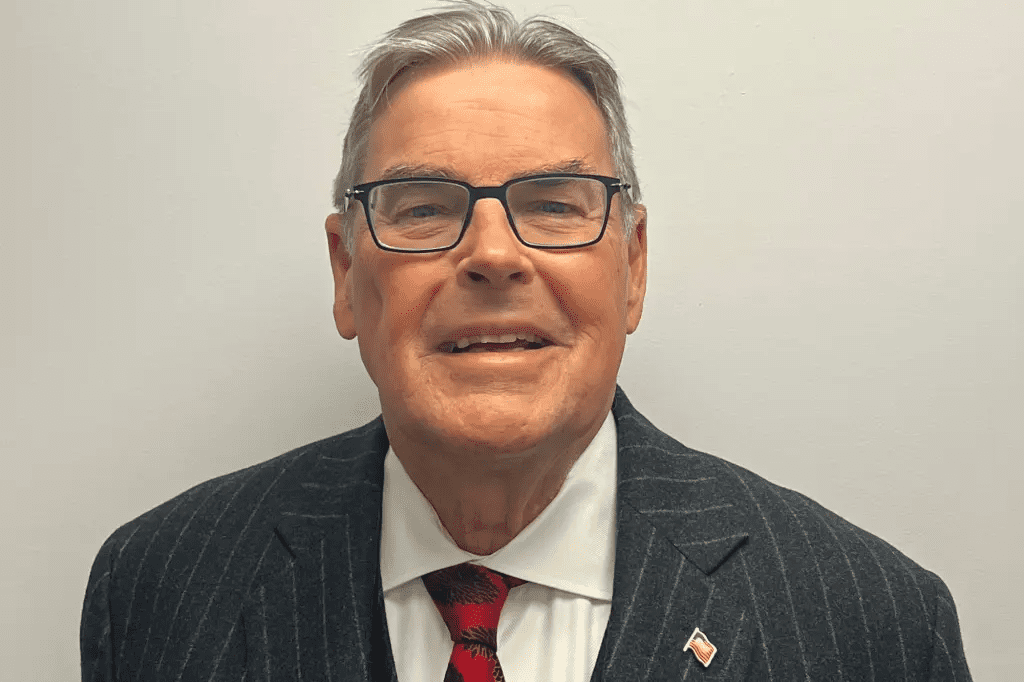
Smith’s appointment to the CCRB, a 15-member board that votes publicly on disciplinary recommendations from its 200-plus investigators, fills a leadership vacuum at an agency that’s long navigated the tightrope between accountability and alliance with the NYPD. Smith, 62, a veteran journalist whose career spanned the New York Daily News and Fox 5 NY before pivoting to public service, has been a vocal supporter of law enforcement, siding with officers in high-profile cases like the 2024 fatal shooting of mentally ill Queens man Win Rosario, where he was one of three board members voting against charges. “Pat’s a fair voice— he listens to facts, not headlines,” said PBA President Patrick J. Lynch in a December 9 statement, his words a nod to Smith’s union backing that sealed his interim role. The CCRB, established in 1993 amid post-Rodney King reforms, investigates 5,000 complaints yearly, from excessive force to bias stops, substantiating 12% for discipline under NYPD Commissioner Jessica Tisch, whom Mamdani has endorsed to stay on. Smith’s chairmanship, temporary until Mamdani appoints a permanent leader, gives him one vote but sets the agenda for meetings, potentially delaying probes into 2025’s 1,200 use-of-force incidents, per NYPD data. For Mamdani, the 33-year-old democratic socialist whose November 4 landslide win—68% to 32% over Curtis Sliwa—promised $1 billion for mental health responders and an end to stop-and-frisk, the move complicates his reform blueprint, forcing a choice between keeping a pro-police figure or igniting union ire in a city where 2025 homicides fell 12% to 386 amid his predecessor’s surge.
Adams’ strategy, a series of last-minute maneuvers in his lame-duck weeks, reflects the quiet determination of a leader facing his own December 2025 federal indictment on bribery charges, yet committed to safeguarding the public safety legacy he’d built. The Rent Guidelines Board packing in October, adding six landlord-aligned members to a 9-person panel that sets annual increases for 1 million stabilized units, could delay Mamdani’s rent freeze pledge by two years unless legally challenged, a tactic Adams’ team calls “fiscal prudence” amid a $112 billion budget. “We’re ensuring stability for tenants and owners alike,” Adams said in a December 6 presser from Gracie Mansion, his voice warm with the pragmatism of a Brooklyn cop turned mayor. The CCRB appointment, confirmed by sources familiar with the process, aligns with that playbook: Smith, a Fox contributor whose reporting on the 2020 protests emphasized officer perspectives, was vetted by police unions and installed without public notice, his interim status shielding him from immediate ouster. “Eric’s leaving the city in good hands—experienced ones,” a City Hall insider told the Post, speaking anonymously. Adams, whose approval rating hovered at 42% in a December 2025 Siena poll amid scandals, sees these moves as stewardship: “New York’s my home—I’ll hand it off stronger.”
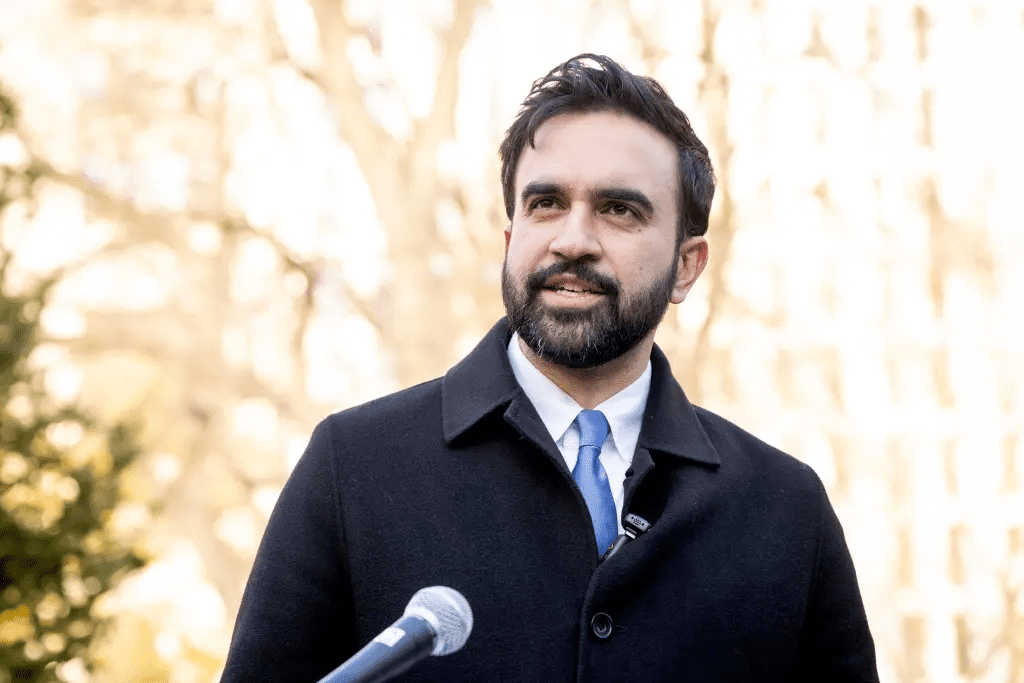
Mamdani’s transition, led by chief of staff Dean Fuleihan, a de Blasio-era budget expert whose fiscal wizardry balanced $85 billion ledgers through 2020’s plunge, has navigated the appointee minefield with a focus on unity. Fuleihan, 74, a Lebanese-American whose immigrant story mirrors Mamdani’s Ugandan roots, pledged in a December 7 memo to “review all positions with care,” his words a gentle signal of change without chaos. The team, announced December 3 at a Brooklyn warehouse with 400 attendees, includes 40% formerly incarcerated individuals for justice reform, a bold choice Mamdani calls “intentional equity.” But Smith’s role, with its union ties, tests that vision: Retaining him risks alienating progressives who backed Mamdani’s 52% primary win for his calls to strip police commissioners of final discipline say, a proposal he walked back post-election amid union talks. “Safety’s collaborative— we’ll work with all,” Mamdani said in a December 8 radio spot, his voice bridging boroughs. For incoming NYPD Commissioner Jessica Tisch, Mamdani’s pick to stay, the dynamics add layers: “The CCRB’s a partner in accountability—let’s build on that,” Tisch said December 9, her endorsement a step toward détente.
The human threads of this transition weave through New York’s neighborhoods, where families like those in Astoria—where Mamdani canvassed—balance safety fears with reform hopes. In a December 10 community forum in the Bronx, 150 residents gathered for pizza and talks, voices rising in a room lined with murals of Malcolm X and Ella Fitzgerald. “Pat Smith’s fair, but we need oversight that sees us,” said Sofia Ramirez, 42, a Filipina nurse whose son was stopped for “walking while Black” in 2024. Ramirez’s family, resettled in 1990, voted Mamdani for his promise of $1 billion in mental health teams, but worries about union sway: “Cops protect, but accountability protects too.” Across the river in Staten Island, retiree Tom Reilly, 72, sipped coffee at a diner: “Smith’s solid—keeps the balance.” Reilly, a Korean War vet whose neighborhood saw a 10% crime drop in 2025, sees the appointment as prudence: “New guy’s got ideas, but experience counts.”
Public discourse, a blend of anticipation and apprehension, filled X with 900,000 mentions of #MamdaniTransition by December 11, supporters praising “bold choices” and skeptics warning “union traps.” A December 12 Marist poll showed 59% approval for Mamdani’s team, with 68% of Democrats favoring reform focus. In Harlem’s Apollo district, where Linen’s appointment drew cheers, resident Ahmed Khan, 55, nodded: “Mysonne knows the system— that’s trust.” Khan’s family, Pakistani immigrants, sees lived experience as key. Adams’ maneuvers, a final flourish in a mayoralty of highs and lows, invite reflection on handoffs’ heart. For Ramirez in forums, Reilly over coffee, and Fuleihan in memos, it’s a moment of measure—a gentle reminder that in New York’s grand relay, each baton pass carries the city’s hopes, one steady hand at a time.