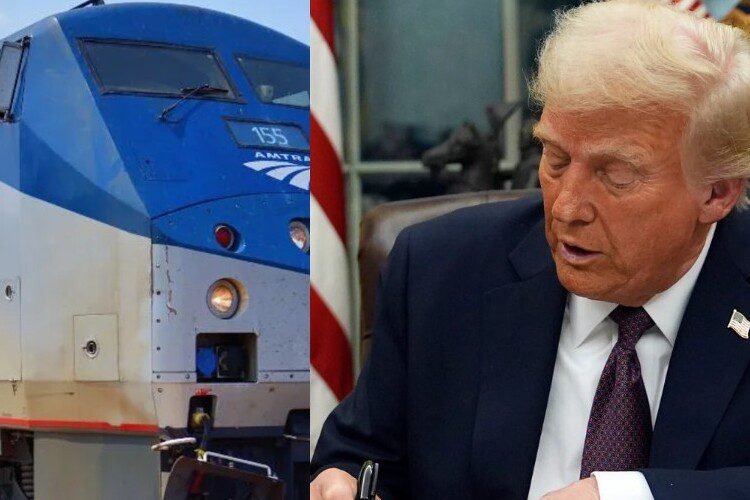
Trump Team’s Festive Gesture: $900 Bonuses for 18,000 Frontline Heroes Funded by Executive Sharing
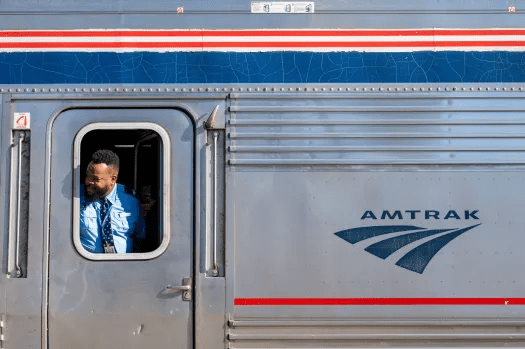
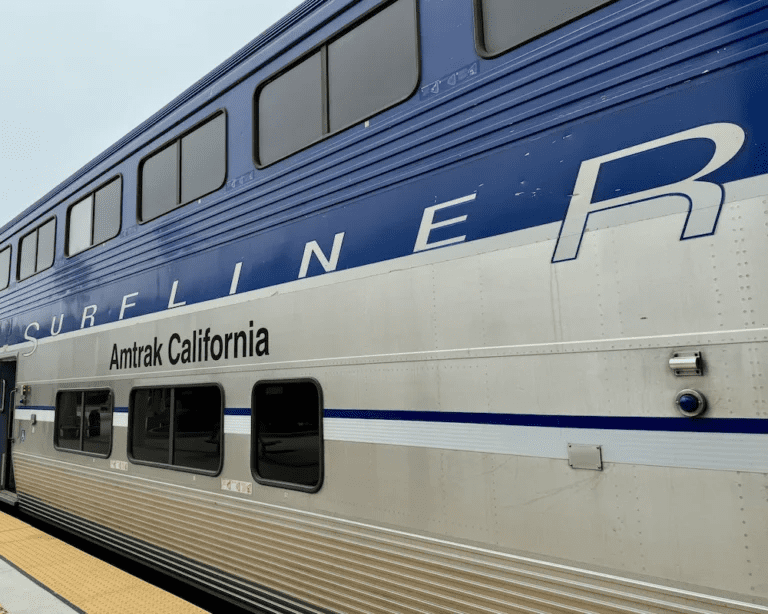
As the first flakes of December snow dusted the tracks stretching from the bustling corridors of New York to the quiet depots of the Midwest, a ripple of quiet joy began to spread among the men and women who keep America’s rails humming. It was an ordinary Friday afternoon in the nation’s capital, the kind where the holiday rush already tugged at the edges of daily routines, when news broke that carried the warmth of a fireside promise. More than 18,000 frontline Amtrak employees—mechanics fine-tuning engines under fluorescent lights, operators guiding silver cars through the dawn, conductors offering steady hands to weary travelers—would soon hold checks for $900 each, a tangible token of appreciation wrapped in the spirit of the season. Not drawn from taxpayer pockets or stretched budgets, but reallocated from the very bonuses once earmarked for the company’s top leaders. In a moment that felt both surprising and profoundly right, the Trump administration unveiled this gesture, one that spoke to the unyielding rhythm of hard work and the simple grace of sharing the fruits of it.
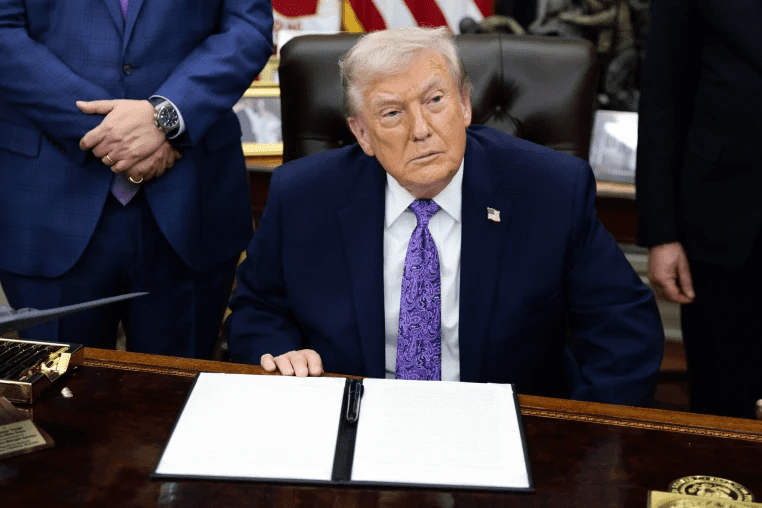
The announcement came swiftly, like a sudden clearing in winter fog, captured in a brief but vivid exchange on a national news broadcast. Transportation Secretary Sean Duffy, his voice carrying the earnest cadence of someone who understood the grind of long hours, leaned into the camera with a smile that bridged policy and people. “We have our top executives that were willing to give back part of their bonuses,” he explained, the words landing with the clarity of a well-oiled gear. “We took those bonuses and said, well, what do you do with it? Let’s give those bonuses back to the frontline union workers who make Amtrak operate.” It was a decision born of collaboration, he noted, one that aligned with President Trump’s broader call to temper costs while lifting those who bore the daily weight of the system. The result? A budget-neutral move, as Duffy emphasized—no added strain on federal funds or Amtrak’s coffers, just a deliberate shift upward from the base of the workforce to its peak. “It’s taking money from the top leaders, the executives, and saying let’s share some of those bonuses with all of the workers—the mechanics and operators who make Amtrak actually operate,” he added, his tone laced with genuine gratitude for the unseen labor that powers 21st-century travel.
For the recipients, scattered across repair yards in Philadelphia, control rooms in Chicago, and maintenance sheds in Los Angeles, the news arrived like an early gift under a bare-branched tree. These are the folks who rise before the sun, their hands calloused from wrench turns and signal checks, ensuring that families reunite, commuters reclaim time, and the vulnerable find a reliable path forward. A top transportation union, long attuned to the pulse of such efforts, hailed the initiative as “long overdue recognition of the employees who keep the railroad moving.” Their statement, simple yet resonant, captured the essence of what this meant: a step in the right direction, affirming that the quiet dedication of those on the ground deserved more than passing nods. As Duffy wrapped his remarks, he called it “a great Christmas surprise for Amtrak,” a phrase that evoked the soft glow of holiday lights flickering against frosted windows, where ordinary evenings might now include a shared laugh over unexpected good fortune.

The story unfolded against the backdrop of a season steeped in reflection, where the clatter of trains often mirrors the steady beat of lives in motion. Amtrak, with its storied silver fleet cutting through urban sprawls and rural vistas, has long been more than a mode of transport—it’s a lifeline for communities, a bridge for those navigating change. Frontline workers, many of whom have logged decades in the shadow of the rails, carry stories of resilience: the operator who steadied a nervous first-time rider during a storm, the mechanic who pieced together a delayed engine to salvage a holiday homecoming. This bonus, modest in the grand ledger of government but monumental in personal terms, arrives at a time when such affirmations feel especially vital. Duffy’s words echoed President Trump’s directive to “lower costs and increase salaries,” transforming abstract policy into pockets of relief—$900 that could cover a winter coat for a child, a stocked pantry through January’s chill, or simply a moment to breathe amid the year’s demands. It’s the kind of gesture that reminds us how interconnected we are, each role a vital link in the chain that moves a nation forward.
Word of the bonuses spread like embers catching on dry leaves, igniting conversations in break rooms, family dinners, and the vast digital spaces where everyday voices converge. On social media, where the day’s headlines compete for attention, reactions poured in with the fervor of a gathering crowd at a station platform. One observer, a self-described working American abroad, captured the sentiment with unfiltered enthusiasm: “Hell yeah, I love it when executives get cooked.” The phrase, playful yet pointed, reflected a broader undercurrent of approval for decisions that prioritize the many over the few, a nod to the fairness that resonates in homes where budgets are balanced by hand. Another voice, warm with holiday cheer, added layers of appreciation: “Well deserved! Merry Christmas to them all. They’re the backbone of our country.” It was a reminder of the quiet heroism in these roles, the way a single train’s safe passage touches countless lives, from the parent rushing to a school play to the elder visiting kin across state lines.
Not all echoes were unanimous, of course; the human chorus rarely is. Some responses carried the weight of broader questions about equity in public service. “Why? Why are government affiliated workers better than everyone else?” one commenter pondered, voicing a sentiment that lingers in many a water-cooler talk, where gratitude mingles with calls for wider inclusion. Others, drawing from entrepreneurial instincts, suggested even bolder paths: “You know what would be even better? Selling Amtrak off to a private company and getting them off the taxpayer’s payroll.” These perspectives, delivered with the candor of open forums, highlighted the ongoing dialogue around efficiency and access, enriching the narrative without overshadowing its core warmth. Amid the mix, lighter notes surfaced too—a touch of humor in the surprise of rediscovery: “We still have Amtrak?! I haven’t heard of them since like 2009.” Such levity underscored how this news pierced the routine, pulling even the disengaged back into the fold of shared progress.
As the afternoon light waned into evening, the announcement took on deeper hues, weaving into the fabric of a season that invites us to pause and honor the laborers among us. Duffy’s broadcast appearance, framed by the familiar hum of a news desk, wasn’t just policy in motion; it was a bridge to the personal, a way of saying that those who grease the wheels deserve a share of the ride’s rewards. The executives’ willingness to forgo portions of their incentives spoke to a collective ethos, one where leadership means not hoarding gains but circulating them downward, like warmth rising from a shared hearth. For the unions representing these workers, the praise was unequivocal: a recognition that the railroad’s heartbeat lies in its hands-on guardians, those who ensure every departure and arrival unfolds without falter. In Duffy’s closing reflection—”I’m grateful for recognizing the work that the frontline workers do”—there lingered an invitation to all of us, a gentle urging to see and value the threads of effort that bind our journeys.
Beyond the immediate glow of the bonuses, this moment carries echoes of quieter triumphs, the kind that build quietly over time. Imagine a mechanic in a vast Pennsylvania yard, wiping grease from his brow as he learns of the check, his thoughts drifting to a daughter’s upcoming birthday or a long-deferred family outing. Or an operator in the Southwest, her steady voice over the intercom now buoyed by a sense of being truly seen, her shifts a little less burdensome in the knowing. These are the stories that pulse beneath the headlines, the human scale that turns a fiscal adjustment into something profoundly felt. The initiative, timed with the holidays, amplifies that resonance, aligning with traditions of generosity that remind us of our shared stake in one another’s well-being. As Duffy noted, it’s “increasing salaries” without the drag of new expenditures, a model of stewardship that honors both fiscal prudence and heartfelt equity.
In the days that follow, as envelopes make their way to mailboxes and direct deposits light up screens, the ripple will extend further—into grocery aisles where carts fill a touch fuller, into community halls where thanks are raised in toasts of eggnog. Public responses, from the heartfelt bravas to the thoughtful queries, paint a portrait of a nation engaged, wrestling with ideals of fairness while celebrating steps toward it. One contributor framed it as “heartwarming and strategic,” a move straight from the annals of rewarding those who sustain the essentials. Another, with a dash of irony, quipped about shifting perceptions: “Do the socialists like Trump now?” The humor, light as falling snow, belies a deeper truth—that such actions can soften divides, fostering common ground in the simple act of uplift. Even the calls for privatization, while rooted in visions of reform, underscore a universal hope: that systems serve people first, evolving to meet the needs of those they touch.
As twilight settles over the depots, with trains gliding into stations under strings of festive lights, this Christmas surprise lingers as a beacon of what’s possible when intention meets impact. It’s a narrative of quiet redistribution, where the top yields space for the base to rise, echoing the season’s call to remember the overlooked. For the 18,000 workers now holding a piece of that promise, it’s more than dollars—it’s affirmation, a whisper that their toil matters, that the rails they tend carry not just passengers, but the weight of collective care. In a world that often races ahead, moments like these invite us to slow, to honor the steady hands at the helm, and to carry forward a spirit of sharing that warms beyond the holidays. As the year folds into the next, this gesture stands as a gentle reminder: in lifting one, we steady us all, forging paths where gratitude rolls on like the endless track.