The Same Man Who Accosted Ariana Grande at the Wicked Premiere in Singapore Sparks Fresh Outrage After Being Kicked Out of Lady Gaga’s Australian Concert
Less than a month after a tense and highly publicized confrontation with Ariana Grande at the Wicked world premiere in Singapore, the same individual, identified as Johnson Wen, has once again found himself at the center of unwanted attention. This time, the incident unfolded thousands of miles away during Lady Gaga’s concert in Australia, where Wen was removed from the venue by security after reportedly causing a disturbance. The back-to-back controversies have ignited widespread concern among fans, raised questions about public-figure safety at major entertainment events, and drawn renewed scrutiny over Wen’s behavior and intent.
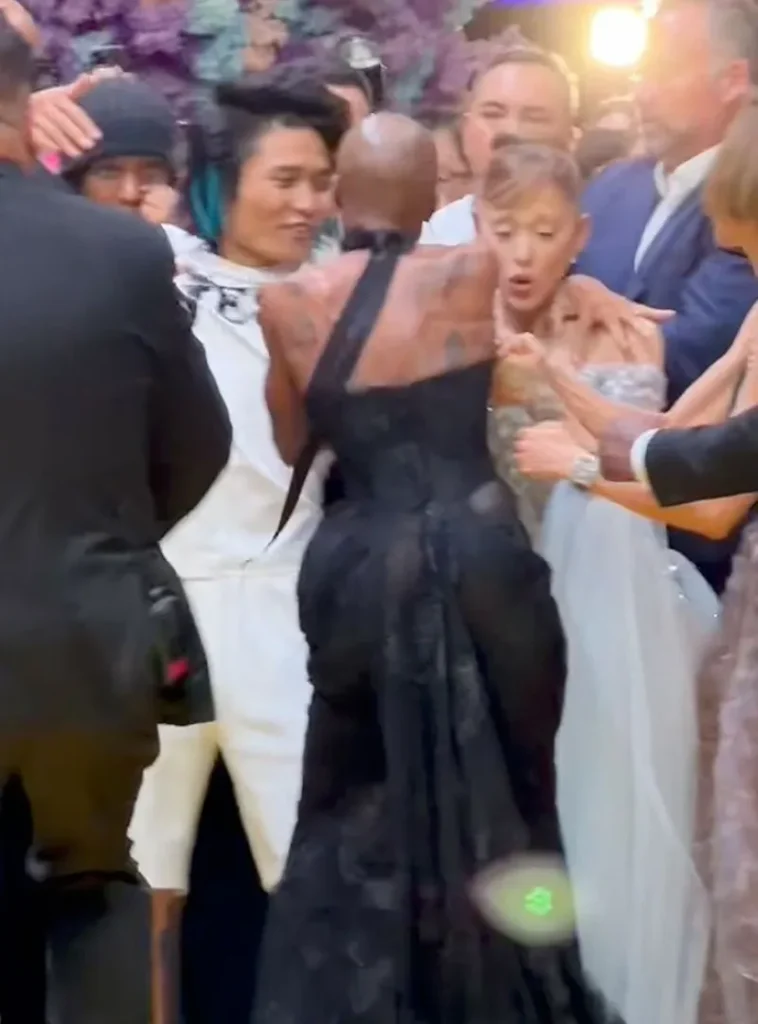
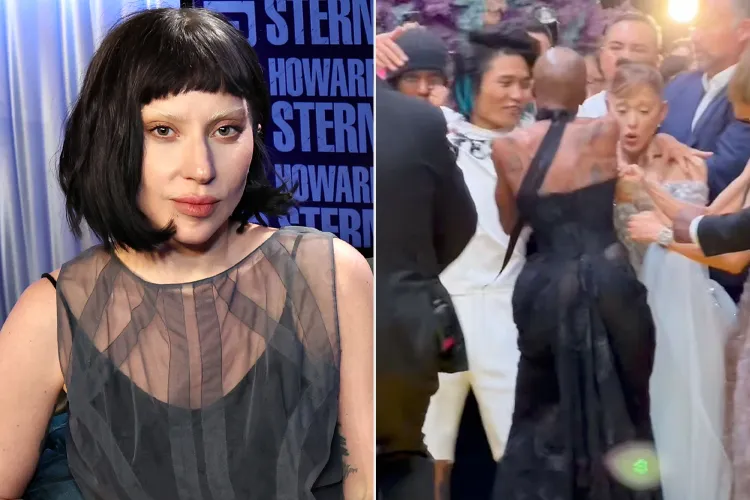
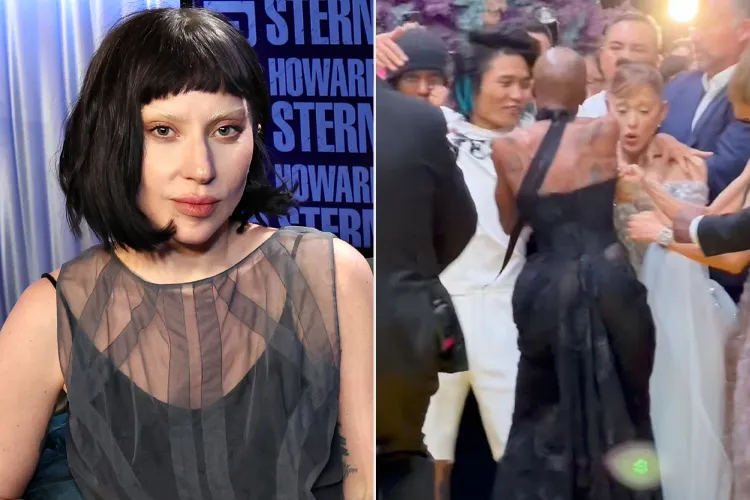
The first incident took place in early November at the star-studded premiere of Wicked in Singapore — a night meant to celebrate one of the most anticipated musical films of the decade. Ariana Grande, who plays Glinda in the movie, appeared on the yellow brick carpet in high spirits, greeting fans and posing for photos alongside co-star Cynthia Erivo and director Jon M. Chu. But the celebratory atmosphere shifted abruptly when Wen abruptly approached Grande in a manner that startled both the singer and the event’s security team. Videos circulating on TikTok and other platforms show Wen moving toward her quickly, prompting security guards to intervene and pull him away as Grande appeared visibly shaken but maintained her composure.
The footage spread rapidly online, with fans expressing alarm over how close Wen had managed to get to the pop star. For many, the moment evoked past concerns about celebrity safety — a topic that has grown more urgent as stars increasingly face unpredictable encounters in public spaces. TikTok users, particularly those who attended the premiere, described the moment as tense and unsettling, praising Grande for keeping calm despite the unexpected confrontation.
Wen later claimed on social media that he had no harmful intentions and had simply wanted to speak with Grande, but the explanation did little to ease public concern. Security officials at the event confirmed that the situation was handled swiftly to prevent any escalation. The incident could have ended as a fleeting headline — a brief scare quickly overshadowed by the excitement surrounding the film — but Wen’s sudden reappearance in another high-profile setting has reignited attention in a far more serious way.
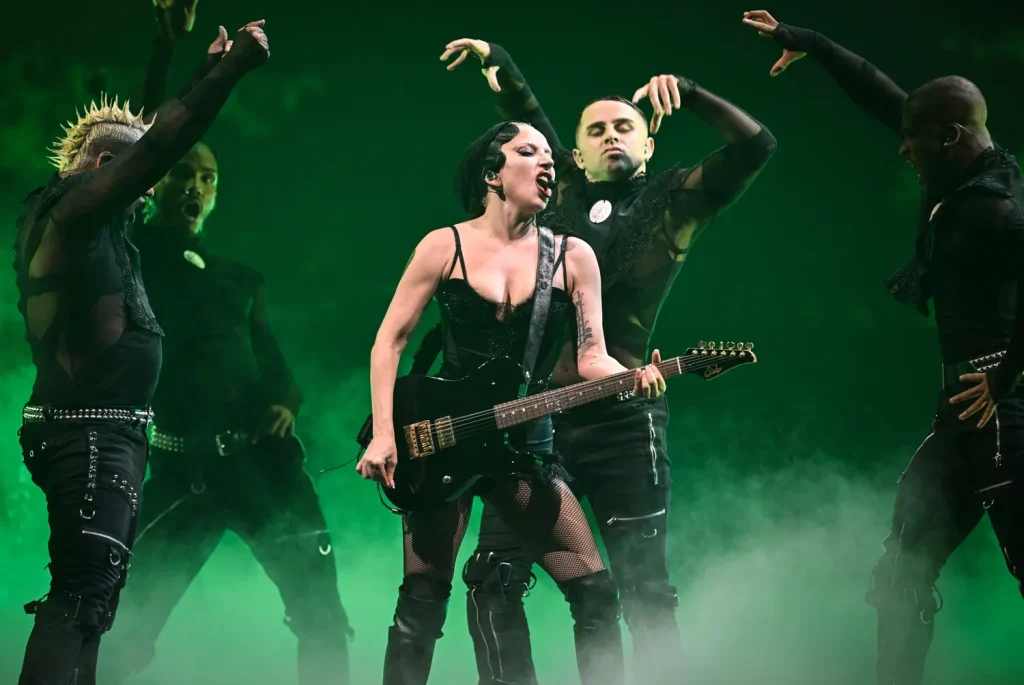
This time, the location was Australia, where Lady Gaga is currently performing as part of her global concert schedule. Gaga’s shows are known for their electrifying theatricality, emotional intensity, and deeply devoted fan base. But during one of her recent performances, attendees noticed commotion near one of the aisles as security staff converged around a single individual — later confirmed to be Wen — before escorting him out of the venue. Though details remain limited, witnesses reported that Wen appeared to be attempting to approach the stage area or disrupt those around him, leading to swift action from security.
Concertgoers shared their accounts online, some expressing disbelief that the same man involved in the Singapore incident had resurfaced so quickly and in a similarly disruptive manner. Videos posted to TikTok and Instagram show security personnel firmly guiding Wen out as the show continued uninterrupted. Lady Gaga herself did not acknowledge the disturbance publicly, though fans commended the venue’s staff for their fast response and for preventing any escalation during a live performance.
These two incidents — occurring so close together and involving two of the world’s most recognizable pop stars — have raised significant questions about fan conduct, celebrity protection, and how event security teams adapt to increasingly unpredictable behaviors. While Wen has not been charged with any crime related to either event, his presence and actions have sparked widespread debate about the thin line between fandom and boundary-crossing behavior.
For Ariana Grande, whose history includes deeply traumatic experiences with large public gatherings — including the tragic 2017 Manchester Arena bombing during her concert — the Singapore incident carried emotional weight far beyond a routine security interruption. Fans of the singer, many of whom have followed her healing journey closely, expressed anger and fear that someone attempted to approach her in such an unpredictable manner. Grande, though she has not spoken publicly about Wen, appeared grateful to security staff at the premiere who intervened instantly.
In contrast, Lady Gaga has long been known for her close connection to fans and her fearless presence on stage. Yet even she is not immune to the risks that come with modern celebrity visibility. In an era when social media can amplify both adoration and obsession, performers face growing pressure to balance accessibility with safety — a challenge heightened by unpredictable individuals whose intentions remain unclear.
Authorities have not indicated whether Wen faces any long-term restrictions or legal consequences following his removal from Gaga’s concert. However, industry insiders note that major venues and event organizers regularly share information about disruptive individuals, especially those whose behavior raises potential safety concerns. It is likely that future appearances by Wen at high-profile entertainment events will draw heightened scrutiny.
The incidents have also reignited broader conversations about mental health, boundaries, and the ways in which fans sometimes project unrealistic expectations onto public figures. Experts emphasize that parasocial relationships — one-sided emotional bonds formed with celebrities — can become unhealthy when individuals struggle to distinguish personal connection from public persona. While Wen has not made any public statements beyond defending his intentions in Singapore, the pattern of behavior has left many questioning whether he fully grasps the impact of his actions on the celebrities involved and the fans present.
On social media, reactions have been swift and passionate. Supporters of both Grande and Gaga have urged event organizers to increase security measures and adopt stricter policies to prevent unauthorized contact with performers. Some expressed outrage that Wen appeared so quickly at another major event after the Singapore confrontation, suggesting that more proactive steps should be taken to identify and restrict individuals who pose a potential disruption.
Others, while critical of Wen’s behavior, have called for a more compassionate understanding of mental health challenges that may influence a person’s actions. These discussions reflect a wider cultural shift toward acknowledging emotional and psychological factors without excusing behaviors that cross boundaries or create unsafe environments. The debate highlights the complexity of addressing incidents that sit at the intersection of celebrity culture, security, and personal well-being.
For now, both Ariana Grande and Lady Gaga continue their professional commitments, supported by dedicated security teams trained to manage unpredictable situations. Grande’s involvement in Wicked has brought her renewed visibility, with fans eagerly anticipating her performance as Glinda. Lady Gaga, meanwhile, remains one of the most dynamic touring artists in the world, drawing massive crowds who come expecting a mix of spectacle, intimacy, and raw artistry.
Wen’s actions — from Singapore to Australia — have become an unexpected subplot to their otherwise triumphant public moments. Yet neither star has allowed the disruptions to overshadow their work or connection to fans. As the stories of each incident continue to circulate online, what remains clear is that public figures, no matter how adored, remain vulnerable to interactions that fall outside the boundaries of safety and respect.
Event organizers, security experts, and fan communities alike have emphasized that incidents such as these should serve as reminders of the importance of respectful fan behavior. Celebrities may choose careers that place them in the spotlight, but that visibility does not erase their right to safety, autonomy, and peace of mind. Whether walking a carpet, greeting supporters, or performing under stage lights, they rely on strict protocols designed to protect not only themselves but everyone attending the event.
As for Johnson Wen, the future of his access to major entertainment events remains unclear. What is evident is that his actions have sparked a wide-ranging conversation that will likely influence how venues and touring artists approach potential disruptions moving forward. Fans of Ariana Grande and Lady Gaga have expressed hope that Wen receives appropriate guidance and boundaries, while emphasizing that their primary concern remains the safety of the artists they love.
Though separated by continents, these two incidents within a single month paint a picture of how quickly situations involving public figures can escalate and why vigilance remains essential. For now, both episodes stand as reminders of the delicate balance between access and security, fandom and intrusion, passion and overstep.
As the entertainment world moves to its next headline, these moments linger — not to amplify controversy, but to underscore a simple truth: even in the glittering world of premieres and concerts, safety is not a luxury. It is a necessity, one that protects not only the stars but the millions of fans who want nothing more than to celebrate their art in peace.