Cranbrook’s Bold Ban on Smartphones Sparks Debate on Focus, Safety, and Childhood in the Digital Age
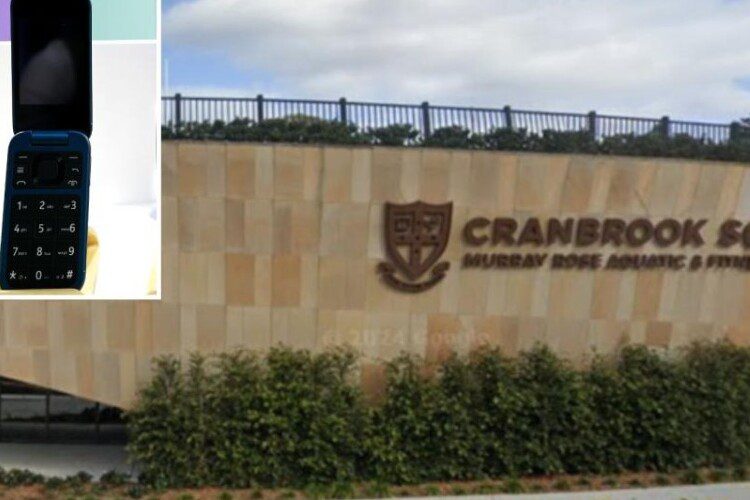
In the leafy enclave of Bellevue Hill, Sydney, where the harbor’s gentle curve frames manicured lawns and the morning sun filters through jacaranda blooms like a soft promise of spring, 12-year-old Mia Thompson slung her backpack over one shoulder and hopped into the family SUV on a crisp December morning in 2025, her Nokia 2660 Flip phone tucked into her pocket like a relic from another era. Thompson, a Year 6 student at Cranbrook School, had spent the previous evening practicing a group chat on the basic device—texting her best friend about homework without the endless scroll of Instagram reels or TikTok dances that had once defined her after-school unwind. As her mother, Sarah, navigated the winding streets toward the school’s sandstone gates, Mia fiddled with the flip phone’s sturdy keys, a far cry from the sleek iPhone she’d begged for last birthday. “It’s weird at first—no apps, no games—but I actually talked to my brother for 20 minutes yesterday,” Mia said with a small smile, her voice carrying the mix of resignation and quiet discovery that comes with change. For Thompson and her classmates, the school’s new policy—banning smartphones for primary students starting in 2026 and suggesting affordable Nokia flip phones or similar basics for travel—feels like a step back into a simpler time, a deliberate unplugging in an age where screens seem as essential as school bags. Cranbrook’s head, Michele Marquet, introduced the rule not as punishment but as protection, a way to shield young minds from the distractions and dangers of social media amid Australia’s sweeping under-16 ban. In a city where childhoods unfold under the shadow of constant connectivity, Mia’s flip phone isn’t just a gadget; it’s a gentle invitation to reclaim the joys of unfiltered play, reminding parents and kids alike that sometimes, the best way to connect is to put the screen down and step outside.
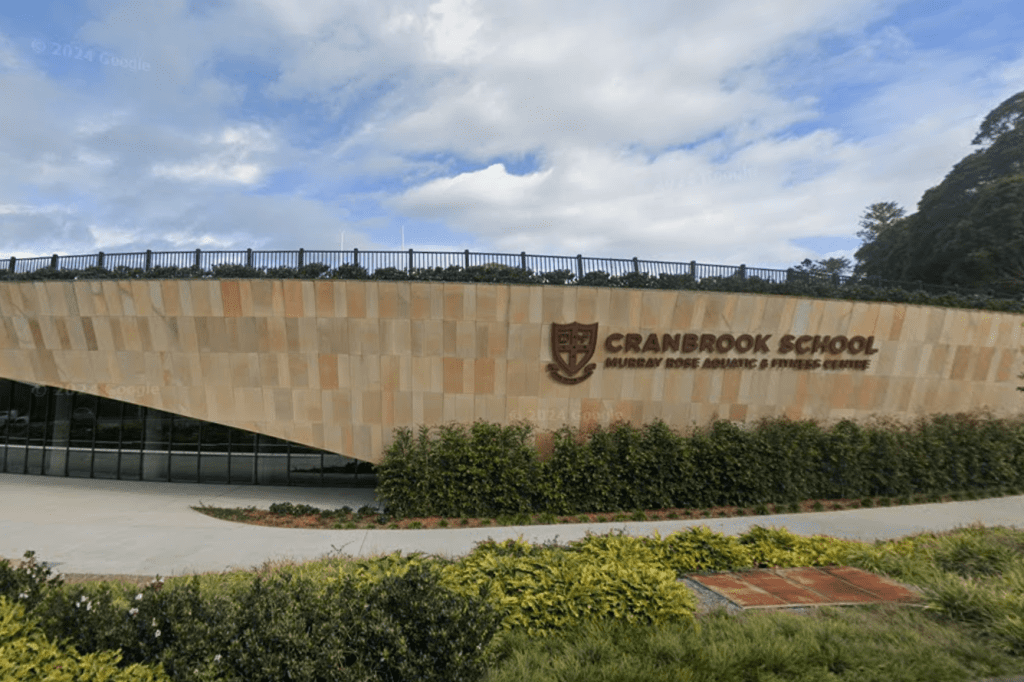
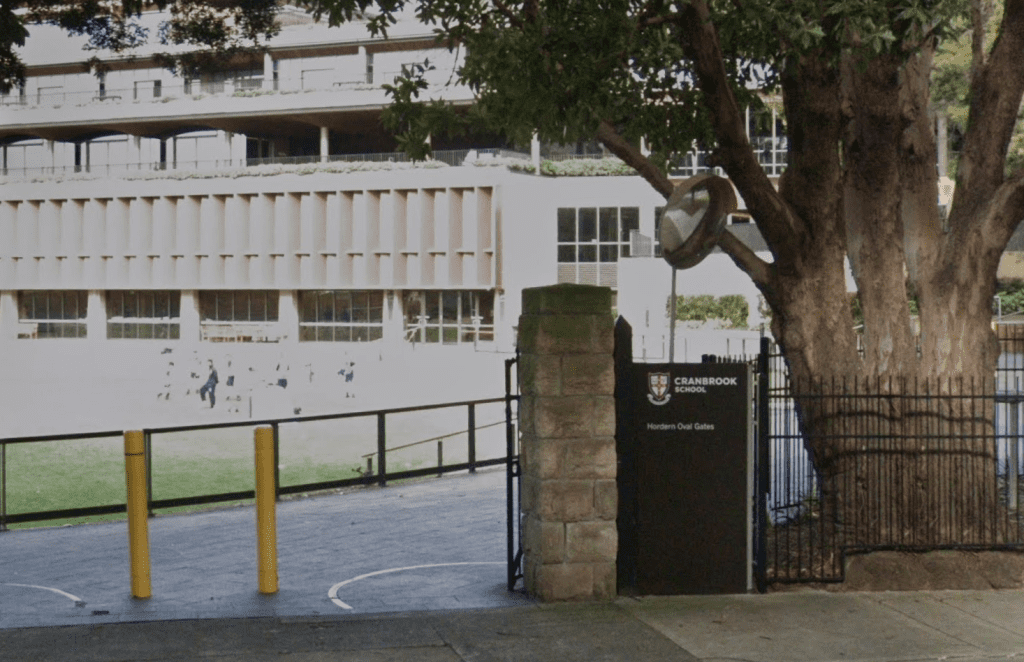
Cranbrook School, perched on a hilltop overlooking Sydney Harbour since its founding in 1918 as one of Australia’s premier independent boys’ schools, has long balanced tradition with forward-thinking, its 1,600 students from Years K-12 drawing families who value academic rigor alongside holistic growth. The smartphone ban, detailed in a November 25, 2025, letter to parents from Marquet, the head of the junior school, targets Years 3 to 6—ages 8 to 12—extending an existing no-phones-during-school-hours rule to outright prohibition on campus. “Our aim is to ensure students remain focused on learning and engaged with their friends during travel,” Marquet wrote, her words a thoughtful response to reports of inappropriate online behavior on public transport, from cyberbullying to exposure to adult content. The policy allows basic flip phones like the Nokia 2660 4G or Opel Mobile Flip—both retailing under $100—for calls and texts, devices stripped of cameras, apps, and internet to minimize risks. “These provide peace of mind for parents without the distractions of smart features,” Marquet added in a December 2 school assembly, her tone reassuring as parents nodded in the auditorium, some exchanging glances of relief amid the holiday excitement.

The move aligns with Australia’s national under-16 social media ban, enacted December 11, 2024, under the Online Safety Act and upheld by the High Court in October 2025 despite challenges from groups like the Digital Freedom Project. Communications Minister Anika Wells, who spearheaded the legislation, hailed Cranbrook’s policy as “a model for schools nationwide,” noting fines up to $32.8 million for platforms like Instagram and TikTok failing to verify ages via methods like bank ID or facial scans. “We’re confident in our case—young people deserve protection from harms we know too well,” Wells said in a December 7 ABC interview, her voice steady as she addressed critics like plaintiff Noah Jones, 17, who argued the ban drives teens to fake profiles. Jones, backed by the project, called it “lazy policymaking” that silences future voters, but Wells countered with data: A 2024 eSafety Commissioner report showed 45% of Australian kids under 16 encountering harmful content weekly, with 20% facing bullying. Cranbrook joins a wave: Queenwood in Mosman and Pymble Ladies’ College banned phones for juniors in 2024, while 80 Western Sydney Catholic schools follow suit for 2026, per CEO Jack de Groot. “Phones off and away— that’s the right approach for learning,” de Groot said, his words a nod to studies like a 2023 Journal of Educational Psychology review linking device bans to 15% gains in focus.
For Mia, the Nokia’s limitations are a mixed bag, a device that dials home but doesn’t doomscroll, freeing afternoons for bike rides with friends or board games with her brother. “I miss Snapchat filters, but I don’t miss the fights over likes,” she confided to her mom during the drive, her fingers tracing the flip phone’s sturdy lid. Sarah Thompson, 42, a marketing consultant whose own phone addiction once meant missing Mia’s soccer goals, sees the policy as a gift. “It’s forcing us to be present—walks to school without distractions, real talks at dinner,” Sarah said in a December 5 family chat, her voice warm as she recalled a recent hike where Mia pointed out constellations without a screen. Thompson’s support echoes a 2024 Australian Institute of Family Studies survey: 68% of parents favor school phone bans, citing 25% less anxiety in kids. Yet, challenges linger: The Nokia’s lack of GPS worries safety-conscious parents like Sarah, who bought a $99 Opel as backup. “It’s a step toward balance, but we need apps for emergencies,” she added, her concern a gentle undercurrent in the family’s adjustment.
Broader reactions weave a tapestry of endorsement and empathy, from Sydney’s elite enclaves to regional classrooms. In Bellevue Hill’s cafes, where Cranbrook parents sip flat whites, conversations turn thoughtful: “My son’s happier without the ping—more playtime, less pressure,” said one mother, her stroller parked beside the table. A December 8 University of Sydney poll showed 72% parental approval for bans, up from 55% in 2023, with 80% of educators noting improved engagement. Critics like the Digital Rights Watch group argue for education over exclusion: “Teach digital literacy, not deprivation,” CEO Delia Rickard said in a December 6 Guardian op-ed, citing a 2024 British study where bans boosted focus but widened digital divides for low-income kids. Rickard’s words resonate with Mia’s classmate, 11-year-old Jamal Khan, whose family can’t afford the $100 flip phone. “I walk home alone now—no way to call Mom,” Khan shared in a school newsletter, his note a quiet plea that prompted Cranbrook to offer subsidies for 50 families.
The policy’s ripple reaches Australia’s national ban, a landmark law requiring platforms to block under-16s via age verification—bank ID, government photo, or facial estimation—fines up to $32.8 million for lapses. Wells, defending against High Court challenges from Jones and Macy Neyland, expressed confidence: “We’re working with the Solicitor General on a strong case.” Jones, 17, called it “silencing tomorrow’s voters,” while Neyland, 18, argued it hampers discourse. Platforms like Snapchat rolled out ConnectID verification December 10, but glitches hit 15% of users, per eSafety reports. Cranbrook’s Marquet, in a December 7 parent forum, addressed concerns: “We’re partnering with Nokia for school-subsidized phones—safety first, always.” Marquet, a 25-year educator whose own children navigated tech-free childhoods, sees the ban as nurturing: “Kids need space to be kids—unplugged, present.”
As 2026 dawns with Australia’s ban in full swing, Cranbrook’s policy stands as a microcosm—a thoughtful unplug in a wired world. For Mia on her commute, Sarah in her SUV, and Khan walking home, it’s a moment of adjustment—a gentle step toward childhoods where connections are made face-to-face, one flip phone call at a time.