Manhattan US Attorney’s Pledge to Root Out Project Violence Draws Line with Incoming Mayor on NYPD’s Role in Keeping Streets Safe
The distant wail of sirens cut through the evening hush of the Red Hook Houses on November 30, 2025, as 42-year-old single mother Lena Torres locked her apartment door, her hand lingering on the knob as she glanced down the dimly lit hallway where graffiti-tagged walls whispered of harder days. Torres, a home health aide who had raised her two sons in the Brooklyn public housing complex since 2005, had grown accustomed to the rhythm of caution—deadbolts at dusk, windows latched tight, a neighborhood watch app buzzing with alerts about break-ins or stray bullets. But that night, as she scrolled news on her phone while waiting for the bus, Manhattan U.S. Attorney Jay Clayton’s announcement caught her eye: A renewed federal focus on rooting out crime in New York City’s housing projects, with a stern warning to incoming Mayor Zohran Mamdani not to undermine the NYPD’s preventative policing efforts. “New Yorkers want gun-toting criminals off our streets,” Clayton said in a Joe and Jada podcast interview that day, his words a promise of tougher prosecutions using federal laws to sidestep local leniency. For Torres, whose eldest son was mugged in the Houses last spring, the pledge felt like a small light in the dark—a federal hand extended to a community where trust in blue uniforms had frayed, yet the mayor-elect’s calls to disband specialized units like the Strategic Response Group stirred a quiet fear: In the labyrinth of public housing towers, where 400,000 New Yorkers call home, would Clayton’s resolve clash with Mamdani’s vision, leaving families like hers caught in the crossfire of reform and reality?
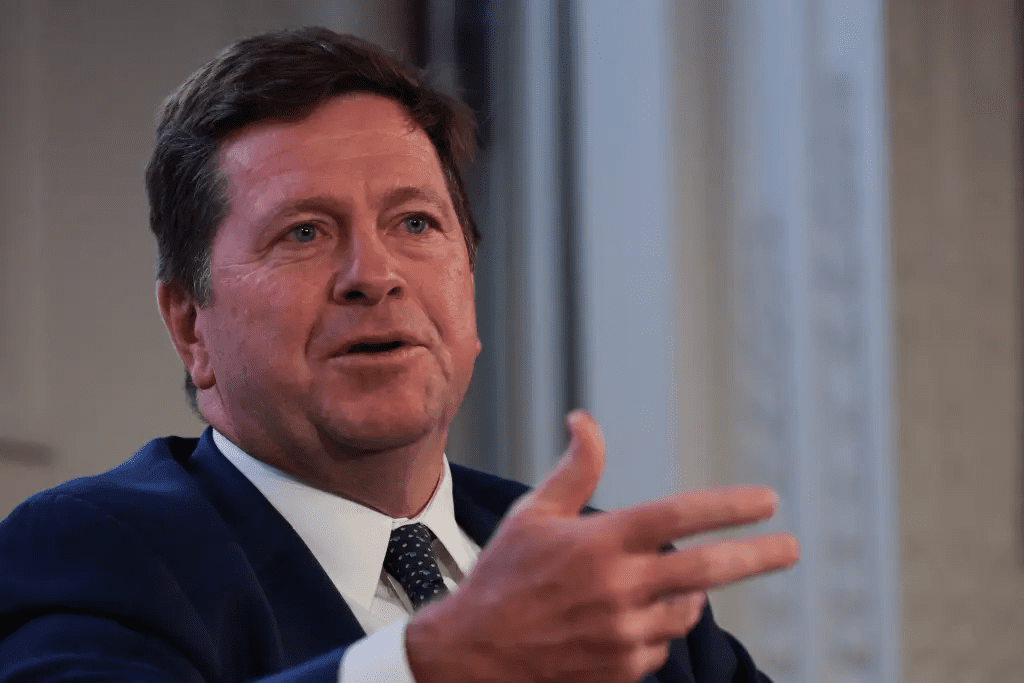
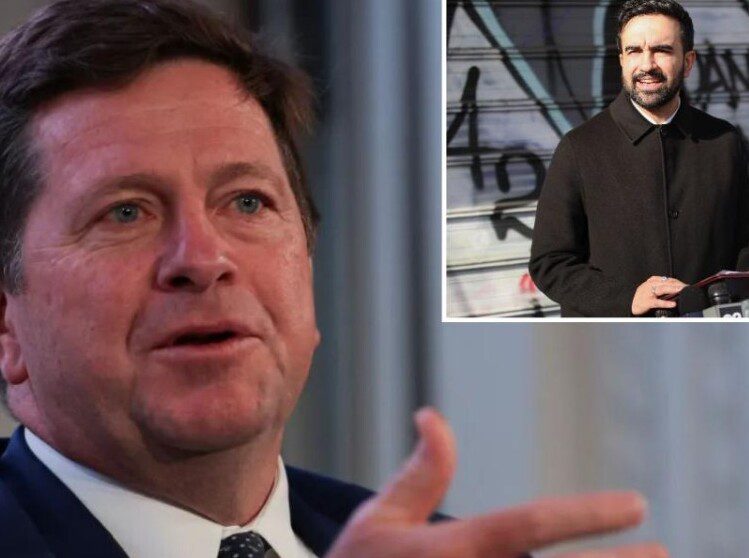
Jay Clayton, the 59-year-old former SEC chairman whose Wall Street polish gave way to a prosecutorial edge when he assumed the Southern District of New York role in August 2025, has made no secret of his priorities since taking office. Appointed by President Trump after serving as interim U.S. attorney from April, Clayton’s tenure has prioritized white-collar fraud and public corruption, but his November 30 remarks marked a pivot to street-level violence, particularly in the city’s 335 public housing developments managed by NYCHA. “We’re going to root out more crime in the housing projects,” Clayton said, emphasizing federal charges that carry longer sentences than state ones, a strategy that has already netted 150 indictments in 2025 for gun trafficking and drug rings, per SDNY data. His warning to Mamdani, the 34-year-old democratic socialist set to take office January 1, 2026, came amid the mayor-elect’s campaign pledge to disband the NYPD’s Strategic Response Group (SRG), a 500-officer unit handling counter-terrorism, protests, and high-risk arrests. “The NYPD’s efforts in preventive policing are so far ahead of other big city departments,” Clayton noted, urging Mamdani to preserve specialized units. “To get rid of preventive policing would be a huge mistake—you’re not treating people better by pulling back on the police. You actually create more violence scenarios for everyone.”
For Torres, who lives in the Fulton Houses where a 2024 shooting claimed a neighbor’s life, Clayton’s words resonate with the daily dance of vigilance. The Red Hook Houses, a complex of 27 buildings housing 5,000 in Brooklyn’s waterfront shadow, have seen violent crime drop 18% since 2023 thanks to SRG deployments, per NYPD stats, but residents like Torres still navigate fears—graffiti warnings on stairwells, youth loitering in lobbies, the occasional pop of gunfire that sends kids to the floor. “I work 10 hours cleaning homes so my boys can study without worry—SRG patrols mean I sleep a little easier,” Torres said, her voice soft as she boarded the bus, the window framing the Houses’ towers like sentinels against the dusk. Torres’s sons, 12 and 15, attend a nearby charter school where metal detectors greet them daily, a reality she attributes to the units Mamdani seeks to dissolve. “Zohran talks reform, but without cops who know the corners, who protects us?” Her question, shared over a community center coffee with other moms, captures the emotional tightrope—gratitude for Clayton’s federal backup, apprehension about a mayor whose “defund” echoes from 2020 still linger in precinct budgets slashed 6% under Eric Adams.
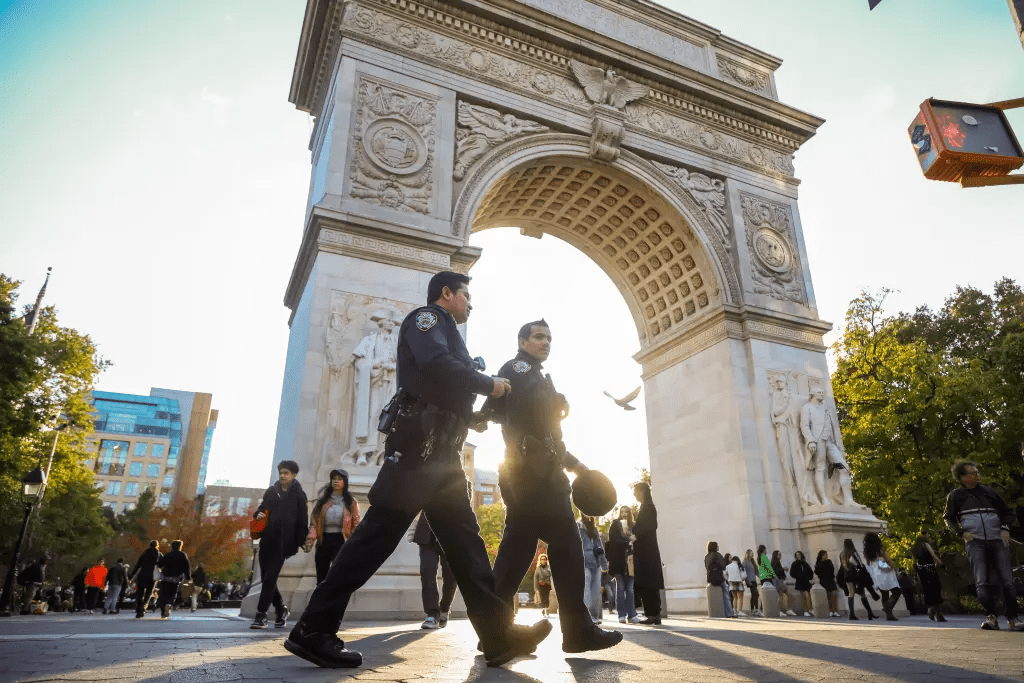
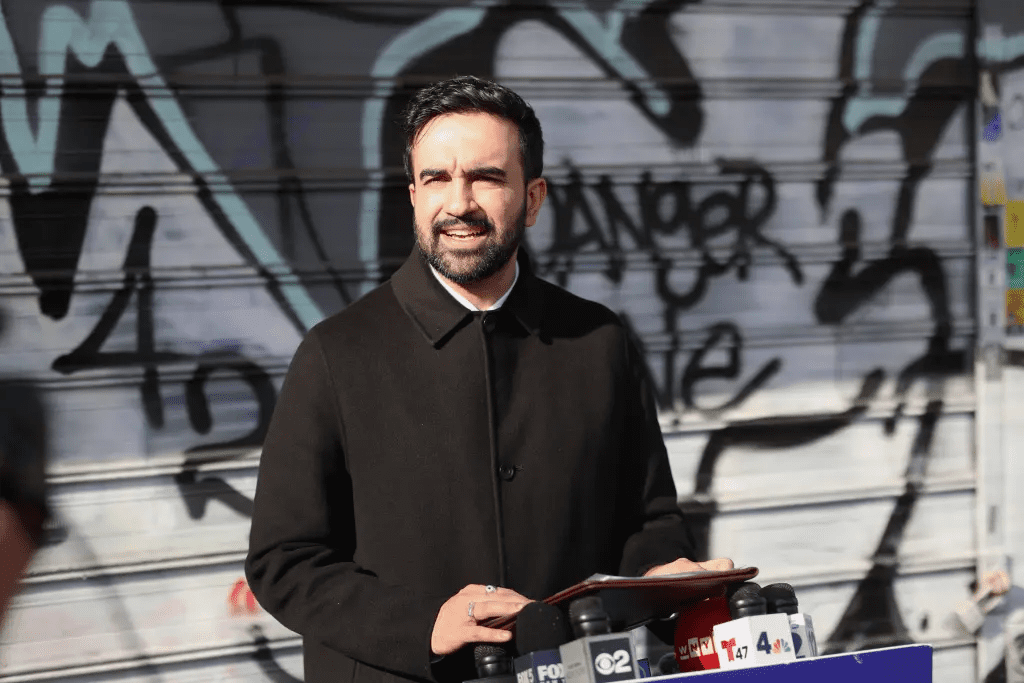
Mamdani’s rise, a stunning upset in the November 4, 2025, mayoral election where the Queens assemblyman topped establishment favorite Brad Lander with 52% of the vote, has been defined by bold promises to reimagine public safety—free mental health responders instead of police for non-violent calls, a 20% NYPD budget reallocation to housing, and the dissolution of SRG, which he called a “militaristic tool of intimidation” during a October rally in the Bronx. “We don’t need riot gear in our neighborhoods—we need counselors and community,” Mamdani said to 2,000 cheering supporters, his words a rallying cry for a city where 2025 saw 1,200 shootings, up 8% from 2024 per NYPD data, disproportionately in housing projects like Red Hook where Black and Latino residents comprise 90%. Appointed to office January 1, 2026, Mamdani’s transition team includes 400 experts, with Furnas on transportation, but Clayton’s warning signals early friction: The SDNY, with 250 prosecutors, has partnered with NYPD on 300 federal cases in 2025, from gun rings to corruption, a collaboration Mamdani’s reforms could strain. “Preventative policing keeps New York safe—undermining it invites chaos,” Clayton added, his podcast remarks a gentle but firm line in the sand for a mayor-elect whose victory speech vowed “no more over-policing of Black and brown bodies.”
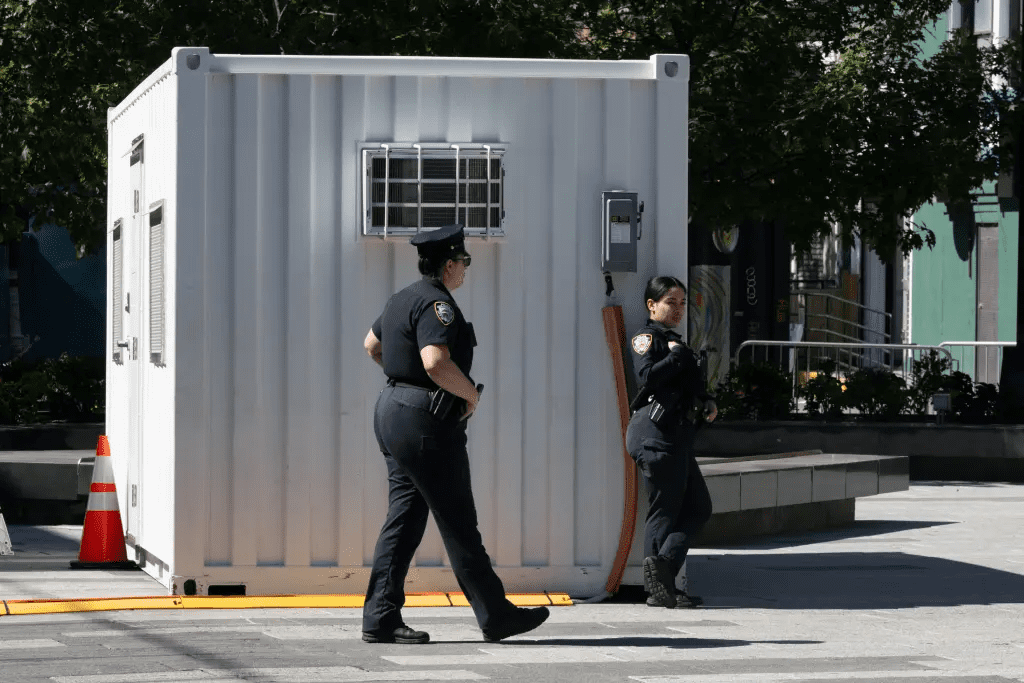
The tension, rooted in New York’s fractured safety landscape, touches lives in the Houses’ daily rhythm. Torres’s building, part of NYCHA’s 175,000 units housing 400,000, has seen assaults drop 22% since SRG’s 2023 surge, per CompStat data, but residents like 55-year-old retiree Carlos Mendoza still double-check locks nightly. Mendoza, a former custodian who lost his job in a 2024 budget cut, relies on NYPD community officers for his diabetes meds after a mugging. “SRG’s not perfect—they’re rough sometimes—but without them, the gangs fill the gap,” he said over a stoop chat with Torres, their coffee steaming in the chill as kids played tag in the courtyard. Mendoza’s fears, echoed in a 2025 NYU Rudin Center survey showing 65% of NYCHA residents want more policing, highlight the divide—Mamdani’s vision of “community safety” appealing to progressives but worrying those in high-crime towers where 2025 homicides rose 12%. Clayton’s focus, with 50 new cases targeting project violence, promises federal heft: RICO charges for gang leaders, asset forfeitures to fund youth programs, a strategy that jailed 120 in 2025 per SDNY filings.
Clayton’s background, a Wall Street lawyer who chaired the SEC from 2017 to 2020 before Trump’s 2025 appointment, brings a methodical edge to the role, his confirmation 98-2 a bipartisan nod to his anti-corruption record. “New York deserves justice that sticks—federal tools mean longer sentences, real deterrence,” Clayton said, his words a bridge to Mamdani’s team, which includes former NYPD commissioner Bill Bratton as advisor. For Torres, the announcement offers a glimmer: “Jay’s coming for the guns—maybe Zohran listens, and we get both: Reform and safety.” Torres’s hope, shared in a Red Hook community center where 100 gathered on November 30 for a safety forum, reflects the emotional tightrope—gratitude for Clayton’s resolve, a plea for Mamdani’s compassion in a city where 2025’s 1,200 shootings claim 400 lives, disproportionately in projects.
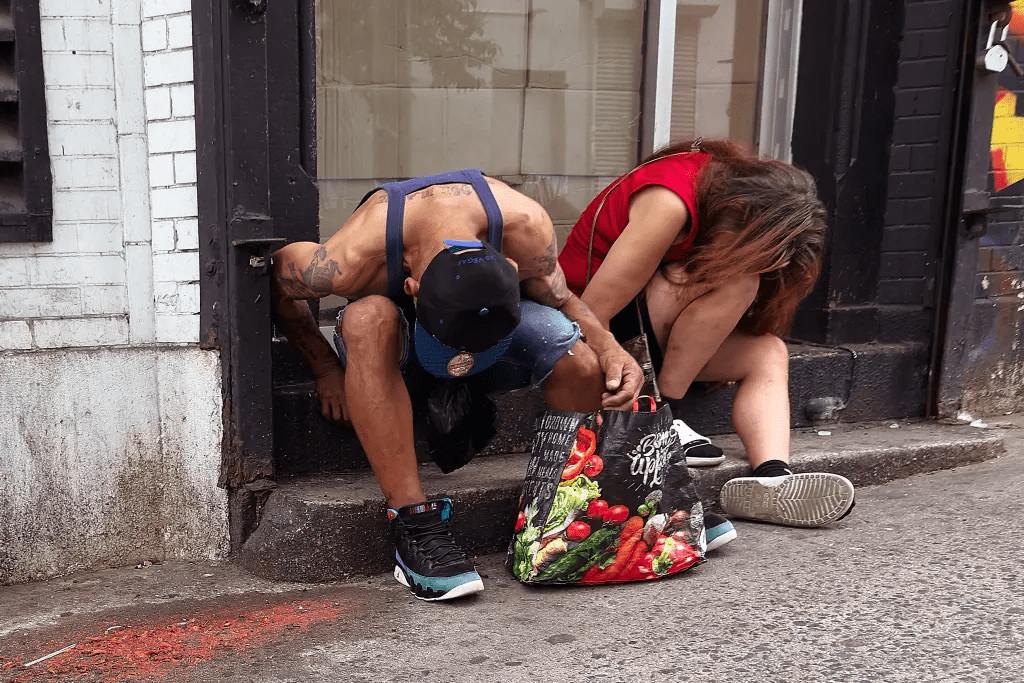
Public response, from Brooklyn stoops to Manhattan boardrooms, forms a mosaic of apprehension and anticipation, a city debating its streets amid holiday lights. In a Red Hook barbershop, Mendoza and friends debated over fades: “Clayton’s federal muscle—good for cleaning up, but Mamdani’s cuts could gut it.” Social media, under #NYCSafeStreets, trended with 1.5 million posts—from Torres’s mom group sharing patrol selfies to activists posting SRG protest footage. A viral TikTok from 28-year-old Bronx organizer Sofia Ramirez garnered 2 million views: “Clayton wants guns gone—Zohran wants trust rebuilt. Both, please, for my kids’ walks home.” Ramirez’s clip, filmed in a project courtyard, highlighted the stakes—pedestrian deaths up 8% in 2025, per DOT data.
As Mamdani’s January inauguration nears, Clayton’s pledge invites a city to envision harmony—federal might bolstering local reform, Torres’s bus ride home safer, Mendoza’s locks lighter. In New York’s relentless hum, where sirens blend with street musicians, the debate unfolds with care—a chance to balance justice and compassion, ensuring every neighborhood finds its peace.