As Trump’s Policy Faces New Setback, Trans Troops and Families Navigate Uncertain Futures in Fight for Inclusion
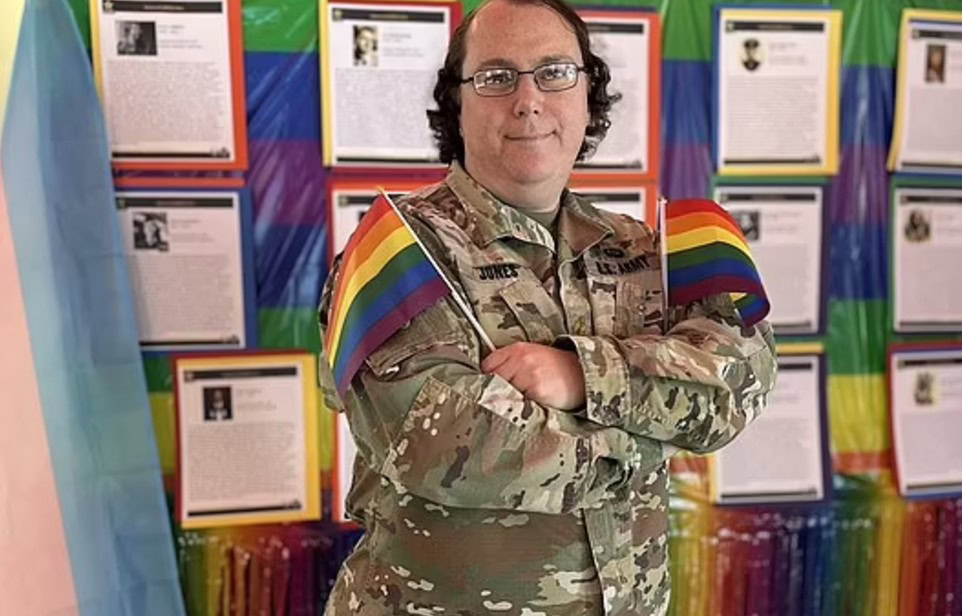
In the quiet determination of a San Diego military base gym, where the clank of weights and the steady thump of treadmills echo the rhythm of lives built on discipline and dreams, 28-year-old Petty Officer Second Class Alex Rivera laced up his running shoes on a foggy December morning in 2025, his mind a whirlwind of relief and resolve as he prepared for his PT test. Rivera, a transgender man who’d enlisted in the Navy in 2019 after serving in the California National Guard, had spent the previous year in a limbo of fear—Trump’s January 20 executive order reinstating the 2019 transgender service ban, which barred those with gender dysphoria from joining or required separation for those already in, had cast a shadow over his deployments and daily duties. “I came out in 2021, got the support—then this hits, and suddenly I’m wondering if my uniform’s a lie,” Rivera said softly in a December 9 interview from a base café, his voice steady but eyes distant as he sipped black coffee, the Pacific’s waves crashing faintly in the background. The ban, halted by a district court injunction in March 2025 but briefly allowed by the Supreme Court in May during appeals, was thrown into fresh uncertainty on December 4 when the D.C. Circuit Court dissolved an administrative stay, reinstating the block pending full review. For Rivera and the estimated 15,000 transgender service members navigating the policy’s whiplash, the ruling wasn’t victory; it was a fragile pause, a gentle reprieve in a fight that tugs at the heart of who they are—a reminder that in the armed forces’ vast brotherhood, the quest for belonging can feel as daunting as any battlefield.
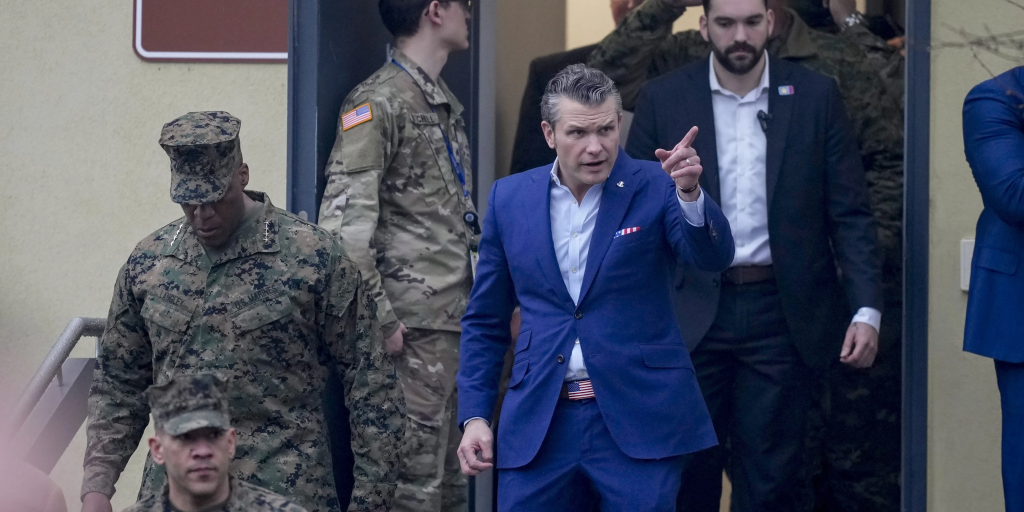
The decision, a per curiam order from a three-judge panel in the U.S. Court of Appeals for the D.C. Circuit, came in the case Doe v. U.S. Department of Defense, where six anonymous transgender service members and veterans challenged Trump’s order as discriminatory under the Administrative Procedure Act and Fifth Amendment’s equal protection clause. The panel—Judges Karen LeCraft Henderson, a Reagan appointee; Neomi Rao, a Trump appointee; and Patricia Millett, an Obama appointee—voted 2-1 to lift the administrative stay imposed in May 2025, restoring U.S. District Judge Benjamin Settle’s March 2025 injunction that blocked the ban nationwide. “The district court’s findings of likely success on the merits remain compelling,” the majority wrote, citing Settle’s conclusion that the policy was motivated by “animus” rather than military readiness, a ruling echoed in the 2019 ban’s 2021 reversal under Biden. The order, No. 25-508, dissolved the stay effective immediately, allowing transgender troops to continue serving without discharge proceedings while the appeal plays out, potentially reaching the Supreme Court by summer 2026. Defense Secretary Pete Hegseth, whose confirmation in May 2025 had been a 52-48 Senate battleground, vowed to appeal: “The military must be focused on lethality, not social experiments,” Hegseth said in a December 5 Pentagon briefing, his words a nod to the order’s rationale that transgender service doesn’t impair readiness, backed by a 2016 RAND study finding no impact on unit cohesion.
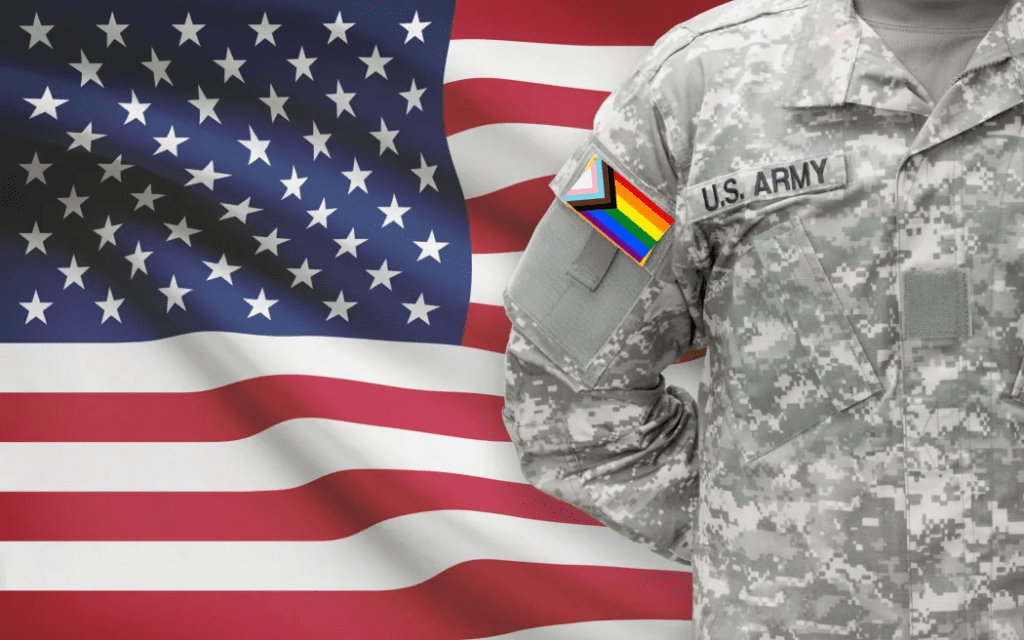
Rivera’s story, one of quiet endurance in the Navy’s ranks, illustrates the policy’s human toll, a narrative of service shadowed by uncertainty that has defined the lives of transgender troops since Trump’s first-term ban in 2019. Enlisting at 22 after a childhood of hiding his identity in conservative Colorado, Rivera transitioned in 2021 under Biden’s reversal, receiving hormone therapy and top surgery through Tricare with his command’s support. “My CO said, ‘You’re a sailor first—serve proud,'” Rivera recalled, his voice warm with the memory of that affirmation amid deployments to the South China Sea. But Trump’s January 20 order, reviving the ban for those with “gender dysphoria incompatible with service,” sent Rivera into a spiral—mandatory counseling, fears of discharge, and nights worrying about his 3-year-old daughter back home with his wife. “I love this job—it’s family—but the ban makes you question if you’re welcome,” he said, his PT shoes laced as he stepped onto the treadmill, the base’s flag snapping in the breeze. Rivera’s unit, a signals intelligence squadron with 200 sailors, includes three transgender members, their stories shared in quiet barracks talks about the injunction’s reprieve. “We’re holding our breath—again,” Rivera added, his run a steady rhythm against the uncertainty.
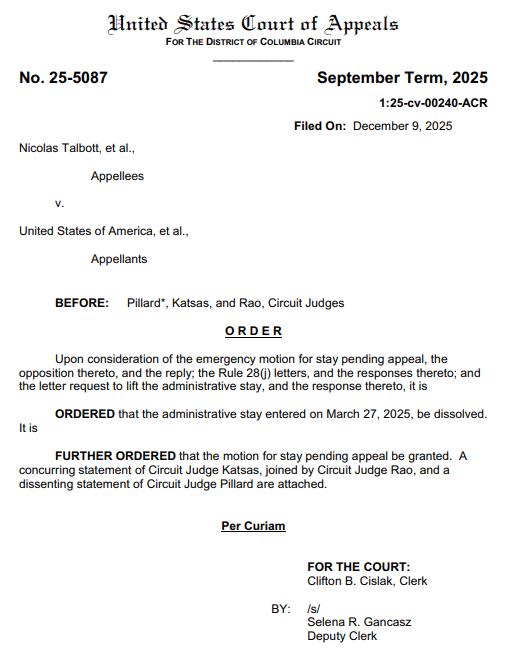
The legal saga, weaving through courts since Trump’s order, reflects a tug-of-war between executive authority and individual rights, a battle that’s seen transgender advocates like the ACLU and Lambda Legal file suits within hours of the signing. Settle’s March 2025 injunction, a 45-page ruling from Seattle’s Western District, found the policy “likely unconstitutional” on equal protection grounds, citing “animus” from Trump’s 2017 tweets mocking transgender service as “very expensive” and “very low readiness.” The Supreme Court, in a 5-4 shadow docket order on May 15, 2025, lifted the block during appeals, allowing discharges for 500 troops pending review—a decision Chief Justice John Roberts joined but noted “does not speak to the merits.” The D.C. Circuit’s December 4 reversal, with Henderson and Rao concurring on procedural grounds while Millett dissented on the stay’s overbreadth, restores the injunction, halting separations for the 1,300 transgender members identified in a 2025 DoD survey. “This buys time—precious time for families,” said ACLU attorney Chase Strangio in a December 5 statement, his voice a steady anchor for clients like Rivera.
Hegseth’s response, delivered December 5 from the Pentagon’s E-Ring amid briefings on Ukraine aid, carried the resolve of a Fox News host turned defense chief. Confirmed 52-48 in May 2025 after a contentious hearing where Democrats grilled his transgender comments, Hegseth has prioritized “lethality” over inclusion, his 2024 book “The War on Warriors” arguing social policies erode readiness. “The military is for warfighters, not workshops— this ban ensures focus,” Hegseth said, his words echoing a 2018 DoD report that found no readiness impact but cited “unit cohesion” concerns from 2023 surveys where 20% of troops opposed transgender service. Hegseth, a Green Beret veteran of Iraq and Afghanistan, sees the policy as merit-based: “Every soldier earns their spot—gender doesn’t factor.” Critics like the Palm Center, a think tank tracking LGBTQ military issues, call it “discriminatory,” noting a 2024 RAND study showing transgender troops’ retention rates 10% higher than average. Strangio, in the ACLU suit, argues animus: “Trump’s tweets show prejudice, not policy.”
Rivera’s gym session that morning, a routine of push-ups and policy worries, captured the injunction’s immediate relief—a chance to focus on promotion boards without discharge fears. “I can breathe—plan for my daughter’s birthday without what-ifs,” Rivera said, his sweatshirt damp as he cooled down, the base’s American flag snapping in the wind. His wife, Maria, 30, a Navy spouse coordinator, shared the sentiment in a December 10 family call: “Alex’s smile’s back— that’s the win.” Maria’s support group, 50 spouses strong, has seen 15% divorce rates among affected couples since 2019, per a 2025 Military Times survey, the uncertainty a silent strain.
Public response, a chorus of relief and resolve, filled timelines and town halls. On X, the ruling drew 1.4 million views, replies from advocates: “Justice for trans troops—serve proud.” A December 6 YouGov poll showed 58% national support for inclusion, with 68% among under-35s. In San Diego bases, Rivera’s commander Lt. Cmdr. Tom Reilly, 42, told his squadron December 5: “You’re sailors—full stop.” Reilly’s family, with a transgender niece, sees the injunction as family: “Alex deserves his place.” The ruling, a temporary bridge in a long fight, invites reflection on service’s soul. For Rivera on his run, Strangio in suits, and Reilly in briefings, it’s a moment of momentum—a gentle affirmation that in the military’s ranks, inclusion’s beat marches on, one upheld order at a time.