Heartbroken Mom Fires Back After Stranger Says Her 9-Year-Old Daughter Shouldn’t Receive Lifesaving Transfusions — ‘How Dare You Decide Her Fate?’
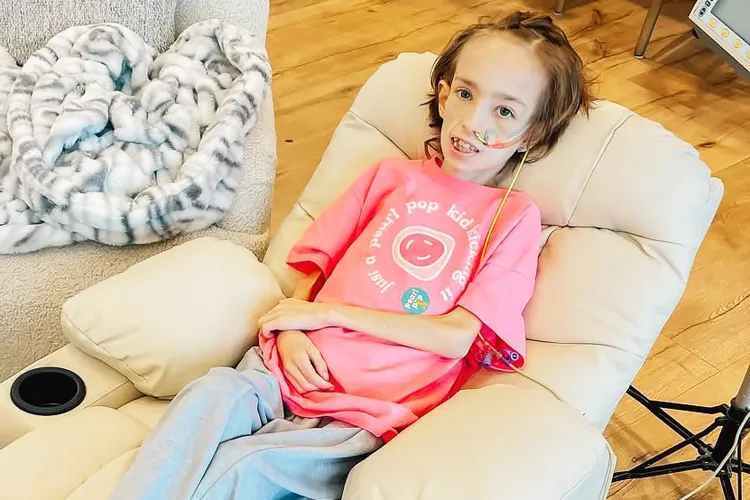
The quiet strength of a mother caring for a terminally ill child is something most people can only imagine from a distance, a reality far heavier than any social-media snapshot reveals. But for Kendra Bird, the mother of 9-year-old Oakley — a little girl fighting stage 4 neuroblastoma — that reality is lived moment by moment, in hospital rooms, at home between treatments, and everywhere in between. Her world orbits around keeping her daughter comfortable, giving her every chance possible, and holding on to the small joys that still bloom through the cracks of a devastating diagnosis. So when an online commenter stepped into that world with a message suggesting Oakley should not continue receiving blood transfusions — arguing that doing so was merely “prolonging the inevitable” — the remark cut deeper than the stranger could ever understand.
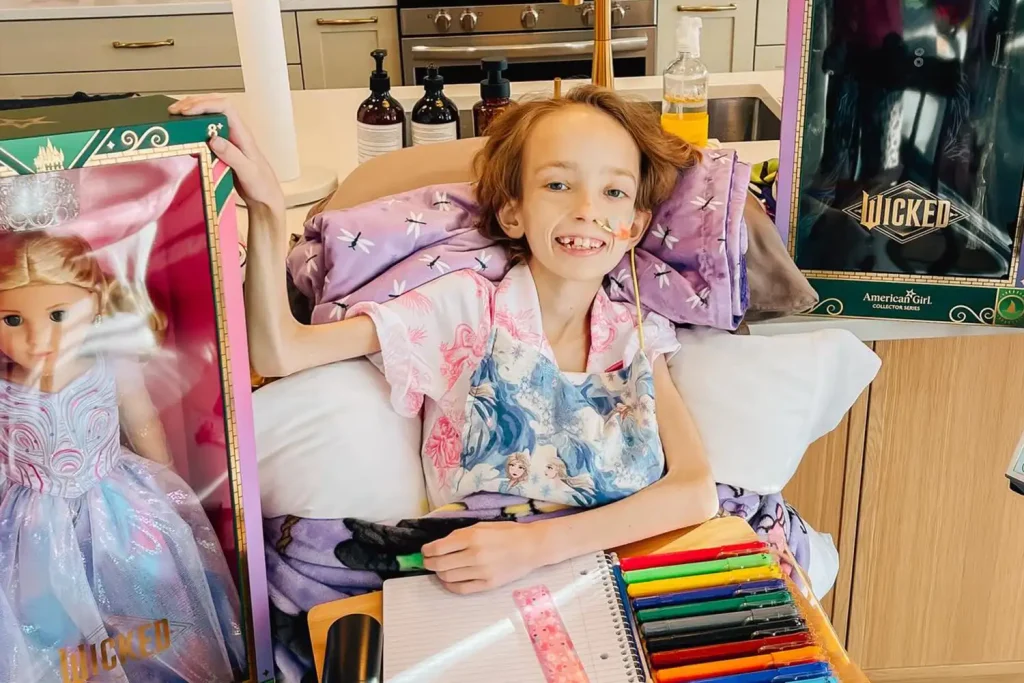
Kendra has spent months sharing Oakley’s journey, not for sympathy, but to spread awareness, to build a community, and to preserve memories for a child who has endured more in nine years than most adults will in a lifetime. Her updates are a mixture of heartbreak and hope — images of her daughter’s thin but radiant smile, videos of her resting after treatments, and honest reflections about the toll cancer takes on a family. To the thousands who follow their story, Oakley is not just a patient. She is a fiercely loved little girl with favorite shows, a soft laugh, a brave heart, and a mother who will stand between her and anything that threatens her dignity.
But as Kendra explained, openness on the internet sometimes invites comments that feel shockingly unaware of the human beings behind the screen. The message that prompted her response was blunt: a stranger told her she shouldn’t allow Oakley to receive further transfusions, implying that her efforts amounted to denying the natural course of the disease. The comment suggested that the little girl’s fight was essentially futile, and that medical support should no longer be offered.
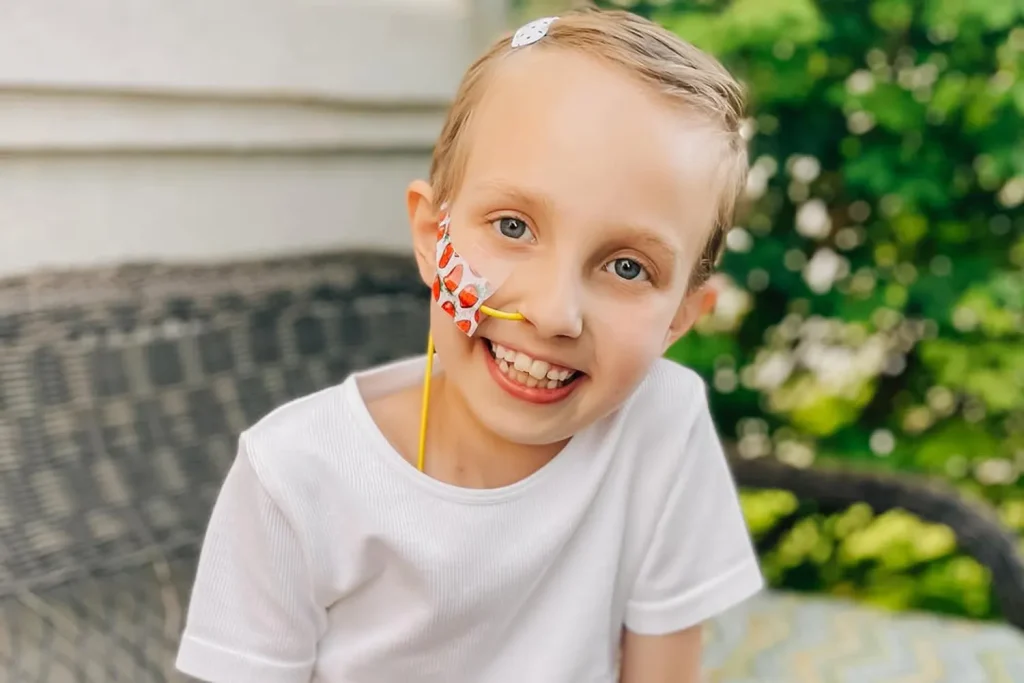
For any parent, such words would be unbearable. For a mother who watches her child endure pain, fatigue, countless hospital visits, and the emotional exhaustion that comes with life-limiting illness, the remark felt cruelly dismissive of the battle Oakley has fought with impossible courage. Kendra chose not to hide her reaction. Instead, she responded publicly, not to shame the commenter, but to defend her daughter’s right to compassionate care — and to remind others that every moment of comfort, every breath of ease, and every ounce of relief matters profoundly.
Her message spoke with a calm strength shaped by months of witnessing suffering with no easy options available. She explained that transfusions are not about extending life at all costs, nor about forcing a miracle that medicine cannot promise. They are about comfort — easing Oakley’s symptoms, lifting her energy enough to experience joy, supporting her fragile body so it can function with less strain. In palliative care, quality of life is everything, and transfusions often serve exactly that purpose: to help a child feel a little better, even if only for a short while.
Kendra shared that it’s not for internet strangers to decide when comfort should be withheld from a child. Oakley’s medical team, working closely with her family, provides transfusions because they reduce suffering. That alone, she emphasized, makes them worth it. Her daughter’s care plan is built not around prolonging unavoidable outcomes, but around giving her small pockets of peace — something no outsider should question.
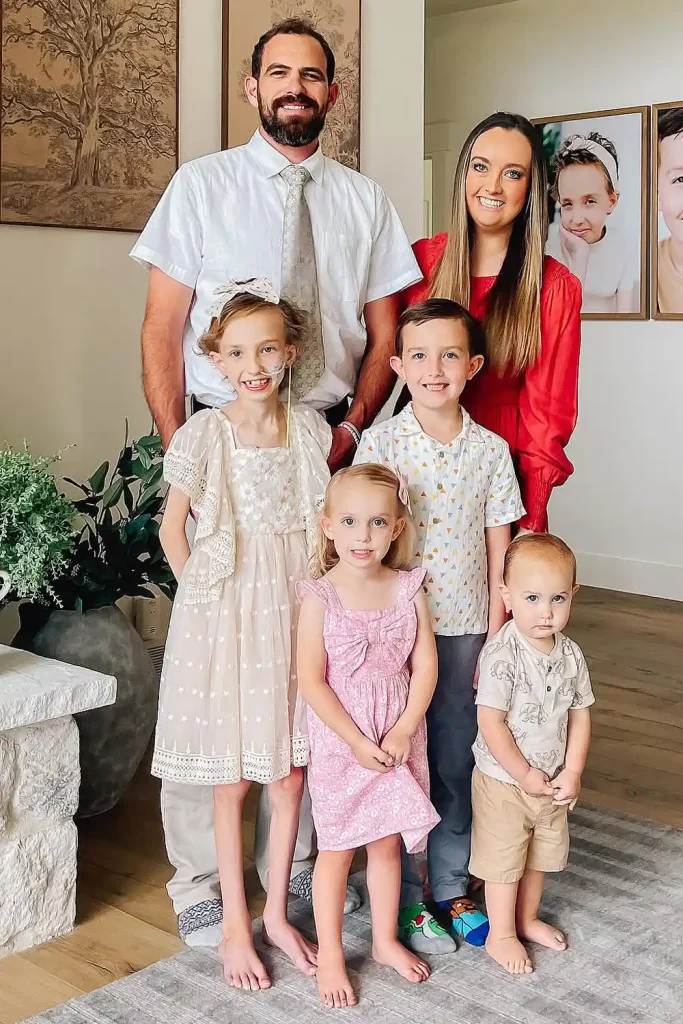
Her post resonated widely, drawing support from parents of chronically ill children, nurses, pediatric specialists, and thousands of followers who have watched Oakley’s journey unfold. Many flooded the comments with messages of love, prayers, and poetry celebrating Oakley’s bravery. Some shared their own stories of palliative care, describing how transfusions gave their children enough strength to smile, to play, or to experience moments their families still cherish years later. Others simply thanked Kendra for her honesty in a season of life few people understand unless they have walked through it themselves.
What stood out most in the wave of support was the recurring sentiment that no one has the right to tell a parent to stop caring for their child. Whether a treatment is curative or palliative, comfort is still an act of love. As one commenter wrote, “Helping her feel better is never prolonging the inevitable. It’s giving her grace.”
For families facing terminal pediatric cancer, these are not theoretical conversations. They are daily decisions, each one weighed with input from physicians, emotional readiness, spiritual beliefs, and an intimate understanding of what the child wants and feels. Doctors often emphasize that palliative care is not the same as “giving up” — it is a shift toward comfort, guided by compassionate medicine and humanity. Transfusions, though temporary in effectiveness, are widely recognized as a valid and often essential part of that care.
In sharing her story, Kendra underscored that Oakley is not just “a case” or “a prognosis.” She is a little girl who still loves being held, who enjoys soft blankets and warm sunlight, who brightens at familiar voices, and who deserves every measure of comfort available. The notion that anyone could look at her, even through a screen, and decide her care has ceased to matter is something Kendra is determined to push back against publicly — not only for her daughter, but for other families who receive similarly insensitive comments.
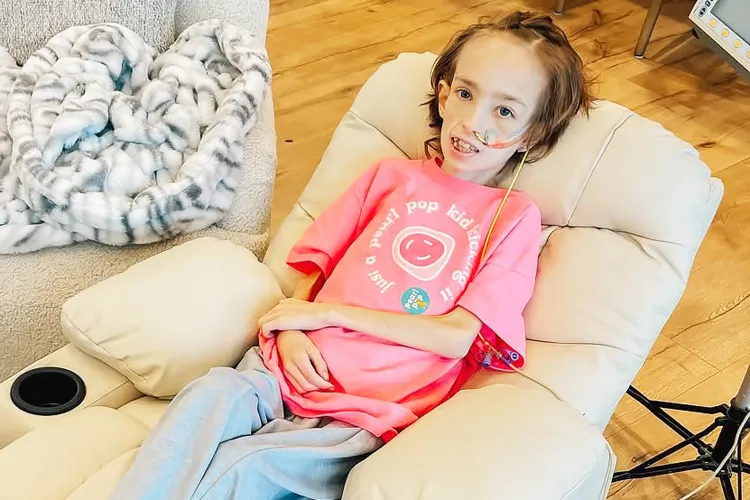
She also reminded her followers that every family’s medical decisions are deeply personal and should be treated with respect. Unless someone has lived through the reality of having a child in palliative cancer care, the complexities of those decisions cannot be fully understood. Words, even from strangers, can wound. And for families already carrying unimaginable emotional weight, a single careless comment can add layers of pain they should never have to feel.
The strength of Kendra’s response lies not in anger, but in clarity. She spoke as a mother, standing firm in her love and fierce protectiveness. She reminded the world that Oakley’s life has meaning — not defined by her illness, but by the love she gives and receives. The transfusions she continues to receive are not about changing fate; they’re about honoring her humanity.
Stories like Oakley’s remind people why empathy matters, especially online. Behind every medical update is a family trying to cope with fear, grief, small joys, and fragile hope. Behind every smiling photo is a day that may have included tears, nausea, or exhaustion. Behind every child facing cancer is a mother or father who would give anything — absolutely anything — for one more good day.
As supporters continue to surround the family with kindness, Kendra remains focused on what matters most: making Oakley comfortable, keeping her surrounded by love, and ensuring that the time they have together is filled with meaning. She has learned to filter out the noise, but she also knows that speaking out can help protect other families from being hurt by similar comments. Her message to critics is simple and powerful: unless you are living this experience, you cannot understand it — but you can still choose compassion over judgment.
And in Oakley’s world, compassion is everything. It is what carries her through the hardest nights, lights the smallest joys, and holds her gently as she continues her brave, tender fight.