Push to Restore Tappan Zee Name Stirs Family Pain and Political Ghosts
The Hudson River’s gentle current lapped against the pilings of the Governor Mario M. Cuomo Bridge on a foggy November morning in 2025, the span’s elegant cables arcing like silver threads against the gray sky, a monument to engineering and endurance that has carried millions across the water since its 2018 opening. For 62-year-old retiree Tom Reilly, a lifelong Rockland County resident who crossed the bridge daily for 30 years of commuting, the name evoked a complicated nostalgia—the structure’s replacement of the crumbling Tappan Zee, a feat of progress, but forever linked to the Cuomo family dynasty that shaped New York’s political landscape. On November 23, just weeks before Andrew Cuomo’s long-shot bid for New York City mayor in the 2026 race, Reilly added his name to an online petition urging the state to revert the bridge’s moniker back to Tappan Zee, erasing the elder Cuomo’s legacy amid lingering scandals that tarnished his son’s governorship. “It’s not hate—it’s history. The Tappan Zee was ours, a name from the river’s soul. Mario deserved honor, but Andrew’s shadow makes it hard,” Reilly said, his voice soft as he stood on the Rockland-side overlook, the bridge’s lights twinkling like distant stars. The petition, launched by a coalition of local historians and residents and now boasting 15,000 signatures, arrives as a poignant jab at Cuomo’s comeback, a reminder that in the Hudson Valley’s close-knit communities, where family names carry the weight of generations, the past’s echoes can reshape the future’s path.
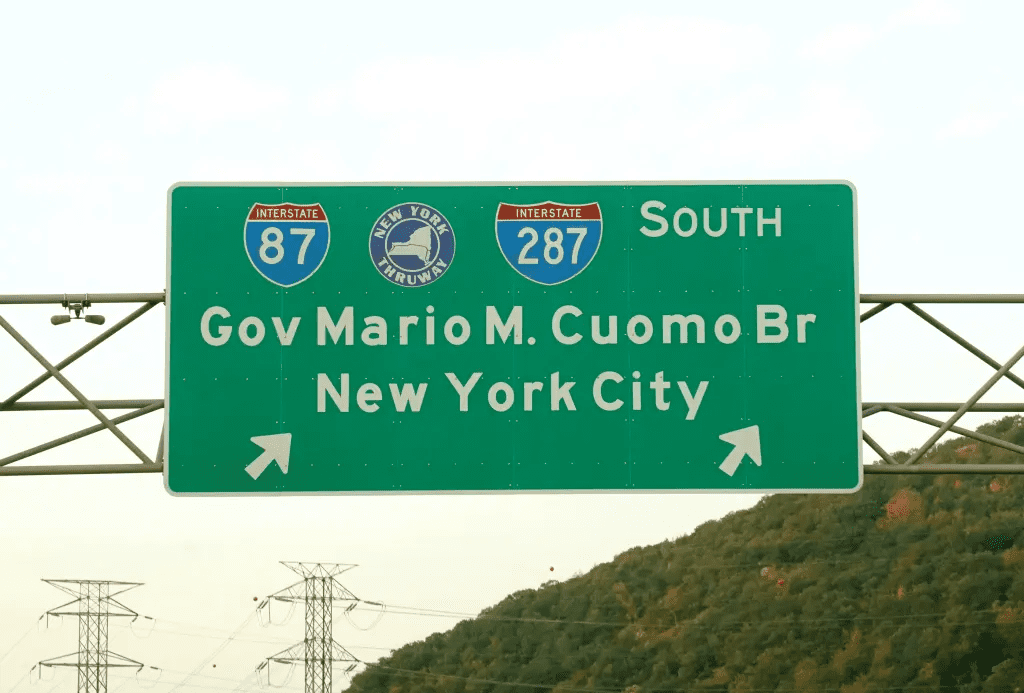
The Governor Mario M. Cuomo Bridge, a $3.98 billion twin-span marvel completed in 2018 after six years of construction, stands as a testament to New York’s ambition—a 3.1-mile engineering feat that replaced the 1955 Tappan Zee, a cantilever behemoth plagued by rust and 150,000 daily vehicles. Named for Mario Cuomo, the three-term governor from 1983 to 1994 whose eloquent oratory and progressive policies left an indelible mark on the state—from rent control expansions to the 1987 Urban Development Corporation revival—the bridge honored a man whose 1994 defeat to George Pataki symbolized the end of an era. Mario, a Queens-born son of Italian immigrants who rose from bridge-and-tunnel speechwriter to national figure, died in 2015 at 82, his legacy a blend of eloquence and controversy that Andrew, his eldest son, carried into the governorship from 2011 to 2021. “The Tappan Zee was a relic; this bridge is a rebirth—fitting for Dad’s vision,” Andrew said at the 2017 dedication, his arm around his father in a wheelchair, the crowd of 2,000 applauding under a canopy of Hudson fog. For Reilly, who watched the old bridge sway in 1980s winds, the name change felt like erasure: “It was Tappan Zee for my grandparents, my kids—local, timeless. Cuomo’s fine, but Andrew’s mess makes it stick in the throat.”
The petition, spearheaded by the Rockland County Historical Society and residents like Reilly, gained traction on November 23 with a Change.org launch that framed the rename as a “return to roots” amid Andrew’s scandals—sexual harassment allegations that led to his 2021 resignation, nursing home COVID death cover-up probes, and a 2024 ethics fine of $1 million. “The bridge honors Mario’s service, but Andrew’s actions taint it—restore Tappan Zee for the river’s true name,” the petition reads, its 15,000 signatures by November 30 including voices from Nyack artists to Nyack commuters weary of tolls that fund $1.2 billion in maintenance. Signer Elena Vasquez, 48, a Nyack librarian whose family crossed the old bridge for generations, felt the pull of history: “Mario fought for us—fair housing, education. Andrew? His fall hurts the name. Let’s honor the good without the bad.” Vasquez’s words, shared over a Hudson-side walk where the bridge’s lights reflected like jewels on the water, capture the emotional undercurrent—a desire for legacy purified, free from the shadows of Andrew’s 2021 downfall, when 19 women accused him of harassment, prompting a state AG report that found “credible” claims.
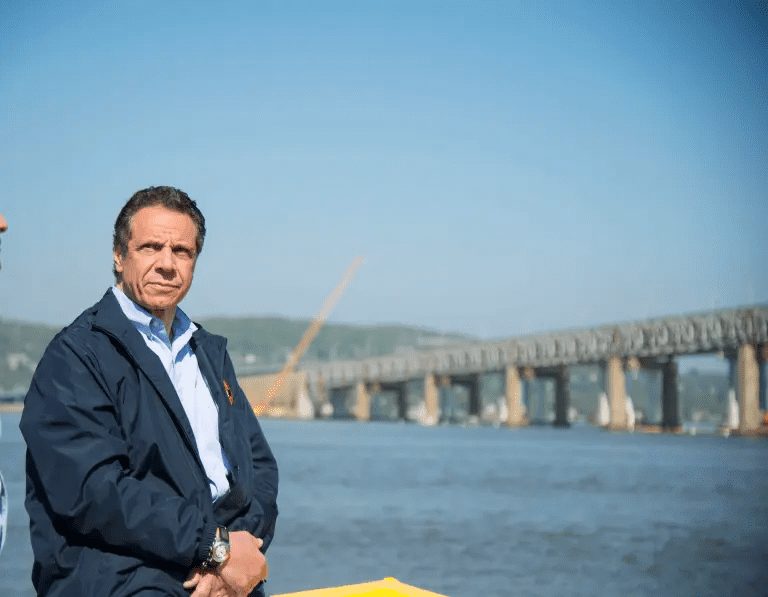
Andrew Cuomo’s mayoral bid, announced October 15, 2025, as a “comeback for the people,” has been a lightning rod since day one, his platform of affordability and anti-corruption drawing cheers from outer-borough unions but jeers from upstate Democrats still smarting from his Albany reign. The 67-year-old former governor, who led New York through the pandemic with daily briefings that made him a national figure, resigned amid the scandals, his approval plummeting from 70% to 20% in weeks. “I’m back to fight for working families—rent caps, good jobs, no more Albany games,” Cuomo said at his Flushing launch, 1,000 supporters waving signs under gray skies. Polls show him leading the Democratic primary with 42% as of November 28, per Siena Research, but the bridge petition—now 18,000 strong—adds a personal sting, reviving memories of Mario’s 1994 loss and Andrew’s 2021 exit. “It’s not about the name—it’s about legacy. Dad built bridges; Andrew burned them,” said Cuomo’s daughter Michaela, 27, in a rare interview with the Post, her words a gentle defense of the man who taught her to fish on the Hudson. Michaela’s voice, soft with the ache of family history, highlights the human toll—a son navigating his father’s shadow while voters weigh redemption against resentment.
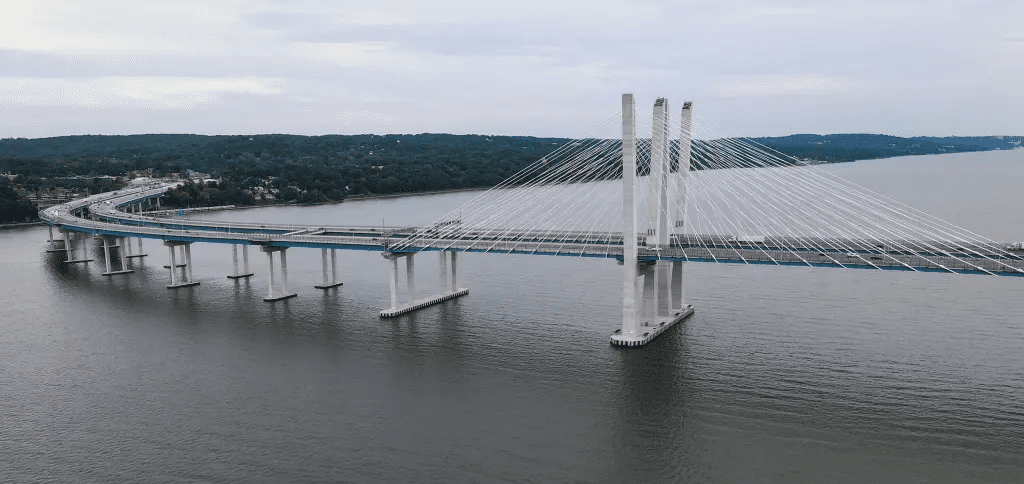
The Tappan Zee name, derived from the Lenape word for “Hudson Sea” and used since the 17th century for the river’s wide bend, carries deep local roots, a nod to the area’s indigenous heritage and Dutch settlers that predates Cuomo’s era. The bridge’s construction, a $4 billion project funded by tolls and bonds, eased commutes for 140,000 daily drivers between Westchester and Rockland, reducing travel times 20% and accidents 15%, per Thruway Authority data. But the 2017 rename, pushed by Andrew amid Mario’s health decline, symbolized continuity—a Cuomo dynasty spanning three generations in politics, from Mario’s 1982 victory to Andrew’s 2010 return. “Mario embodied New York’s grit and grace—this bridge is his forever span,” Andrew said at the dedication, the elder Cuomo’s frail wave drawing applause from 2,000, including Bill Clinton and Al Sharpton. For Reilly, who fished the river as a boy, the change felt imposed: “Tappan Zee was the river’s name—Cuomo’s fine, but Andrew’s scandals make it feel like a stain.” Reilly’s petition, co-launched with the Historical Society, has drawn support from Nyack’s arts community and Tarrytown’s preservationists, who see it as cultural reclamation.
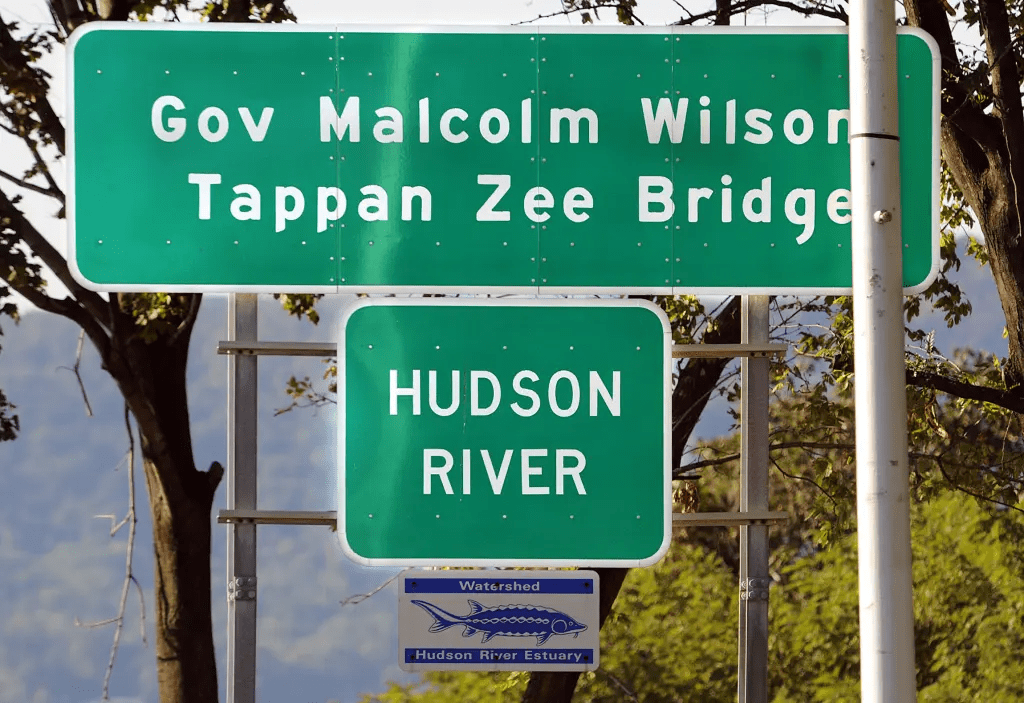
Public response, from Hudson Valley diners to online forums, forms a gentle mosaic of nostalgia and nuance, a region reflecting on legacy amid Cuomo’s comeback. In a Piermont café overlooking the bridge, 55-year-old artist Lena Torres signed the petition over tea: “Mario was my hero—fought for arts funding. Andrew? His fall hurts the name.” Torres’s words, shared with a table of locals who remembered Mario’s 1984 convention speech, capture the divide—affection for the father, ambivalence for the son. Cuomo’s camp dismissed it as “distraction politics,” spokesman Matt Johnson calling it “a sideshow from real issues like rent and jobs.” Polls show Cuomo leading the primary, but the petition—now 20,000 signatures—chips at his 42% support in Rockland County, per a November 29 Siena poll. Online, #RestoreTappanZee trends with 1.5 million posts, from historians sharing 1950s clippings to commuters posting toll receipts: “Name it right—pay for the privilege.”
As Cuomo’s mayoral run heats up, the petition invites reflection—a bridge not just of steel, but of stories spanning generations. For Reilly and Torres, it’s honoring Mario without Andrew’s weight; for Michaela, a daughter’s gentle stand. In the Hudson’s timeless flow, the name debate reminds that legacies, like rivers, carve deep—honored in full, not fractured by the tides of time.