Inside the Grief, the Rumors, and the Reality Facing the Widow of the Slain Conservative Star
Charlie Kirk’s alleged assassin is scheduled to make his first in-person court appearance on Thursday, marking a painful and deeply symbolic moment in the aftermath of a killing that stunned thousands who watched it unfold in real time. For his widow, Erika Kirk, the approaching hearing has become more than a legal milestone — it has become a reminder of the intense scrutiny, misplaced cruelty, and bizarre conspiracy theories that have followed her every step since the tragedy. And this week, she decided she could no longer stay silent.

In the months since Charlie’s death, Erika has navigated the kind of public grief few people can imagine. Her husband wasn’t just a political figure; he was a loud, polarizing, influential presence online and on college campuses, a man whose supporters saw him as a bold truth-teller and whose critics viewed him as a relentless provocateur. That divide did not fade after his death. If anything, it only sharpened, creating an online echo chamber where compassion and cruelty clashed violently. Erika found herself at the center of that storm.
Charlie was fatally shot in front of a crowd of more than 3,000 during the highly publicized kickoff event for his Turning Point USA “American Comeback Tour” at Utah Valley University on September 10. Multiple angles of the shooting circulated almost instantly across social media, fueling everything from legitimate political debate to vile mockery and fabricated narratives. For Erika, every replay, every screenshot, every tweet was a reminder of the moment her life changed forever. Instead of grieving privately, she was forced to watch the internet dissect her husband’s final seconds as if they were entertainment.
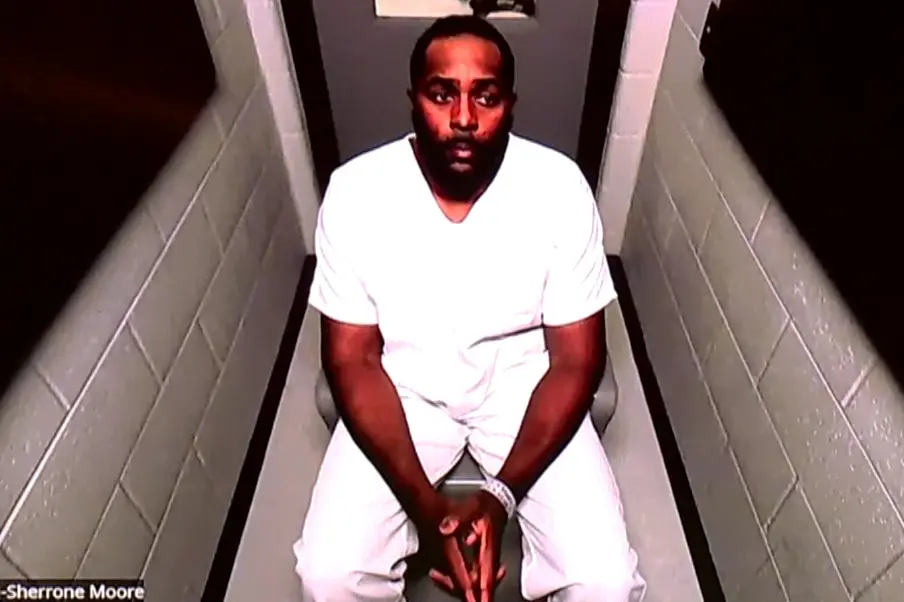
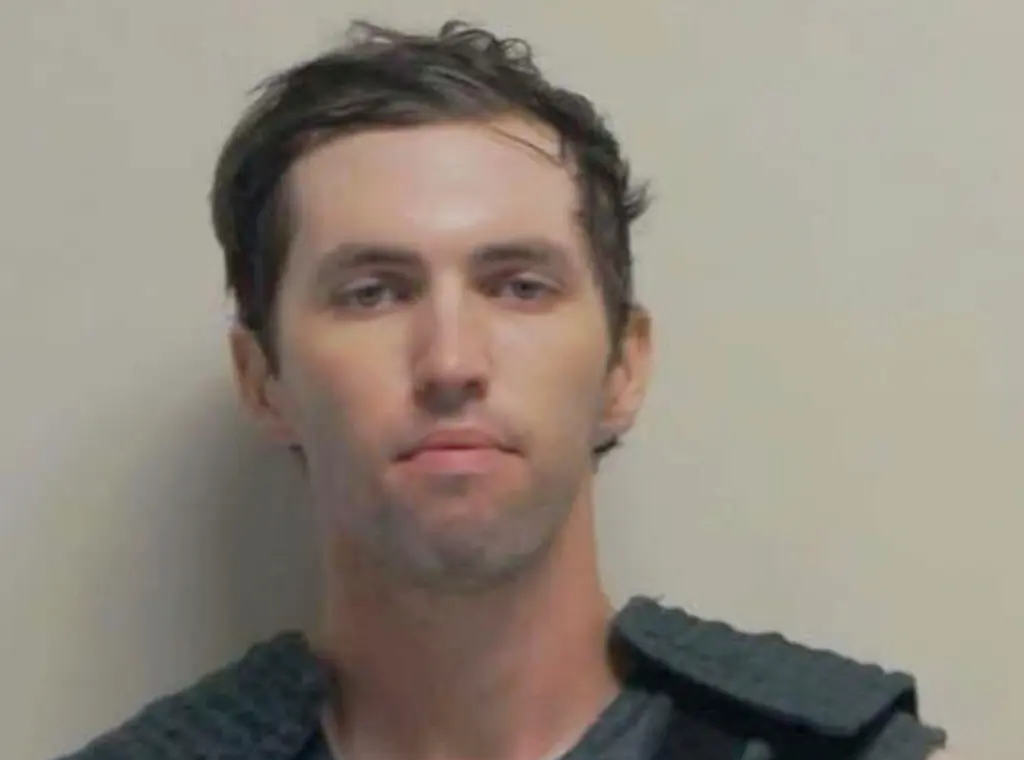
The accused shooter, whose identity has been widely reported, has remained behind bars while the legal process moves forward. Thursday’s in-person appearance will be the first time the court hears from him directly since the charges were filed. Prosecutors have emphasized that the case is straightforward and grounded in evidence, not in speculation or political theater. But outside the courtroom, speculation has run rampant — and at times, viciously personal.
Erika’s most recent frustration stems from an unexpected corner of that noise: conspiracies about her jewelry. What began as a fringe accusation on a niche platform spiraled into a viral talking point, with online commenters claiming her wedding ring or accessories during interviews symbolized hidden messages or proof of some darker narrative. It was absurd, baseless, and deeply hurtful for a woman simply trying to honor her husband’s memory while raising their child and attempting to rebuild her life.
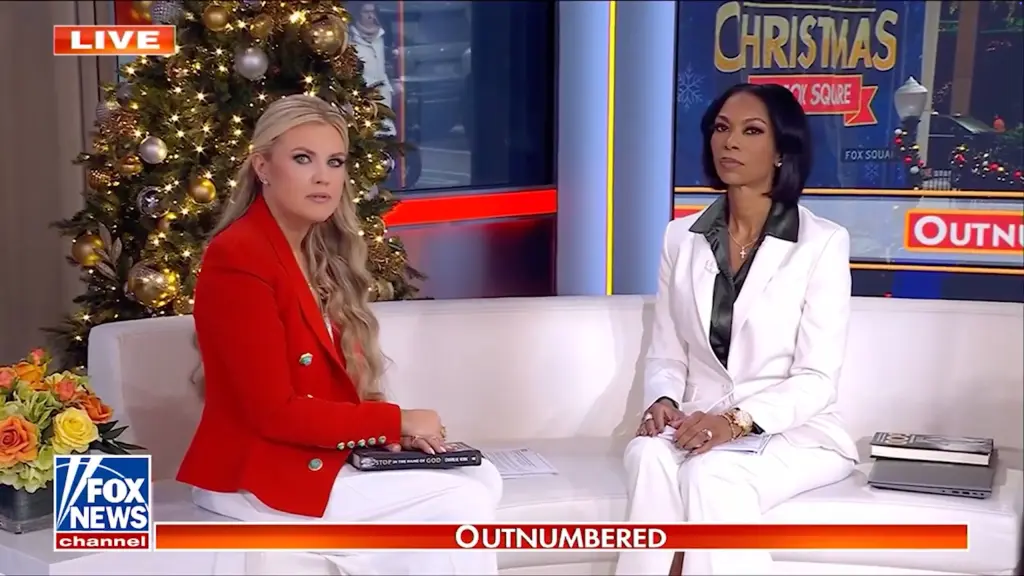
This week, she finally pushed back. Appearing composed yet undeniably shaken, Erika told Fox News that the attacks had reached a level of cruelty she could no longer ignore. She called the rumors “insane,” emphasizing how surreal it felt to watch strangers fixate on her earrings or necklace while she was still grappling with real trauma. For her, the conspiracies weren’t just offensive — they were dehumanizing.
She described waking up each morning not only with the weight of loss but with a fresh wave of online theories attempting to rewrite what happened that day in Utah. People questioned her motives, her emotions, even her silence. At times, she confessed, it felt like grief itself wasn’t allowed unless it fit the narrative someone else wanted to promote. Instead of receiving empathy, she often faced accusations from people who had never known her husband, never attended his events, and never witnessed the way he softened when holding their daughter.
But despite the noise, Erika has slowly found moments of stillness — the kind that come not from forgetting, but from choosing to keep going. Friends close to the family say she has remained grounded through faith and community support, relying on loved ones rather than the anonymous voices online. She attends legal briefings, asks difficult questions, and insists on transparency about the investigation. She has also tried to protect her daughter from the public storm that continues to rage months after the tragedy.
People who knew Charlie say he was someone who thrived in chaos yet kept his home life separate, cherishing intimacy over spectacle. Erika has spoken at length about how different he was behind closed doors — calm, thoughtful, deeply connected to his wife and child. To see his death reduced to a meme or a weapon in online arguments has been one of the most painful parts of her journey.
Many of Charlie’s supporters have rallied around her, offering condolences, prayers, and unwavering encouragement. They continue to organize vigils, share stories of how he inspired them, and demand justice as the case moves forward. But even within those supportive spaces, Erika has sometimes felt trapped between public expectation and private heartbreak.
The upcoming court appearance has triggered another wave of attention. Legal experts expect the session to be procedural, focusing on scheduling, evidence review, and preliminary motions. However, for the families involved, even a simple hearing can feel monumental. Erika is preparing quietly, aware that the sight of the man accused of killing her husband will likely reopen wounds she’s tried to stitch closed.
She has said that justice, for her, does not mean vengeance. It means truth. It means clarity. And it means ensuring Charlie’s memory isn’t warped by people who never took the time to understand him — or her.
As she continues to navigate the aftermath, Erika has also begun addressing the broader impact of internet culture on real human pain. She has spoken about how the digital world often encourages people to dehumanize others, especially when politics are involved. For her, the issue is not about silencing criticism but about recognizing when commentary crosses the line into cruelty.
She recalls scrolling through comments in the days after the shooting and seeing jokes about her husband’s final moments, cheers from political opponents, and people insisting she must have somehow been involved. It was a level of detachment she struggled to comprehend. In her view, the online space can create a dangerous illusion — that tragedy is a spectacle rather than someone’s life shattering in real time.
Yet despite all of this, she remains determined to honor Charlie’s legacy as she knew it. She continues to speak about his passion, his work ethic, his devotion to his family, and his belief in the causes he championed. Though they often disagreed about the intensity of his public persona, she admired his willingness to stand for what he believed, even when it came at a personal cost.
As Thursday’s hearing approaches, tensions continue to rise across political circles. Commentators on both sides are preparing to dissect every detail, while supporters and critics alike wait for updates. But for Erika, this moment is profoundly personal. It marks one more step toward closure — or at least a clearer understanding of what happened that September afternoon.
For now, she continues to speak with grace, even when confronting cruel and baseless narratives. She acknowledges that public life invites scrutiny, but says no one should be subjected to mockery while mourning. Her hope is that, eventually, the noise will fade, and what remains will be the truth — not the conspiracies, not the speculation, and not the online cruelty that has shadowed her since the day her husband was killed.
In her most recent remarks, she said she feels a responsibility to push back, not only for herself but for others who may suffer in silence under the weight of misinformation. She knows she cannot control what strangers say, but she can control how she responds and what she chooses to carry forward.
As she puts it, grief is already heavy enough. The lies shouldn’t be allowed to add more weight.