‘Hazardous’ Airspace Forces Airlines to Reroute Amid Maduro’s Chaos
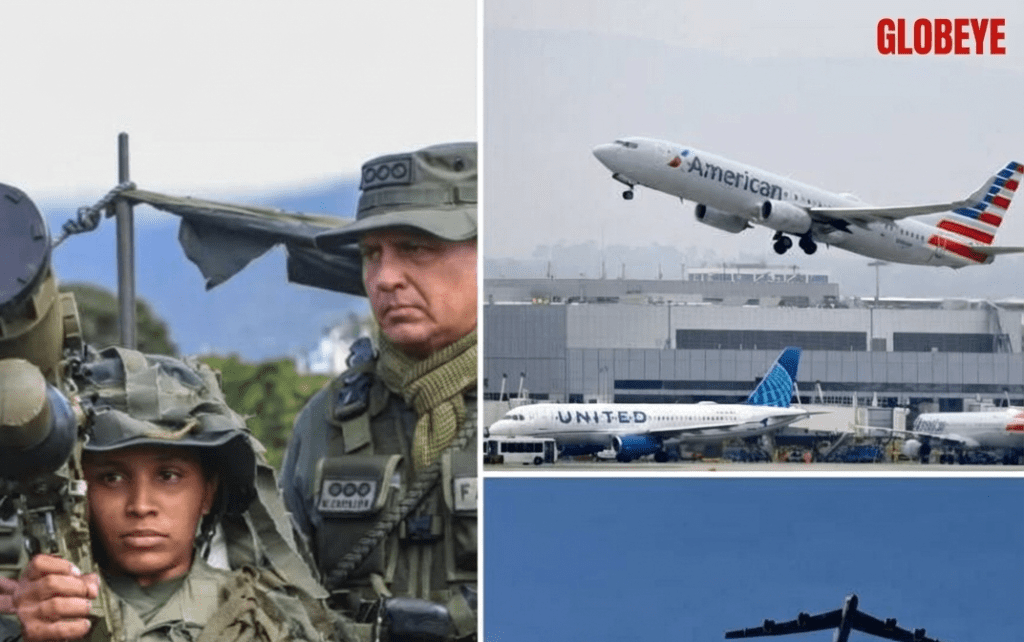
High above the turbulent skies of the Caribbean, where the azure expanse that once symbolized escape now whispers threats of peril, a Delta Air Lines flight bound for Bogotá veered sharply northward on November 22, 2025, its captain’s voice crackling over the intercom with a calm that masked the unease rippling through the cabin. “Folks, we’re adjusting our route to avoid some airspace advisories south of here—nothing to worry about, just playing it safe,” the pilot announced, his words a thin veil over the reality that Venezuelan territory, once a routine overflight for thousands of daily transatlantic hops, had been branded a “potentially hazardous situation” by the Federal Aviation Administration. For passengers like 52-year-old schoolteacher Elena Vargas, clutching her rosary beads as the plane banked over Curaçao, it was a gut-wrenching reminder of home’s unraveling—a Venezuela she’d fled two decades ago for Miami’s embrace, now dragging the dangers of Maduro’s iron fist into the very clouds that promised freedom. As the FAA’s Notice to Air Missions (NOTAM) echoed across aviation control towers from Miami to Atlanta, urging airlines to “exercise extreme caution” when transiting Venezuelan airspace due to “military activities and political instability,” the world paused, hearts heavy with the fear that what was once a flyover had become a flight path fraught with unseen shadows. In a nation still healing from its own divisions, this alert wasn’t just technical jargon; it was a poignant cry from the skies, a call to confront the human cost of a regime’s rage and the quiet courage of those navigating the storm below.
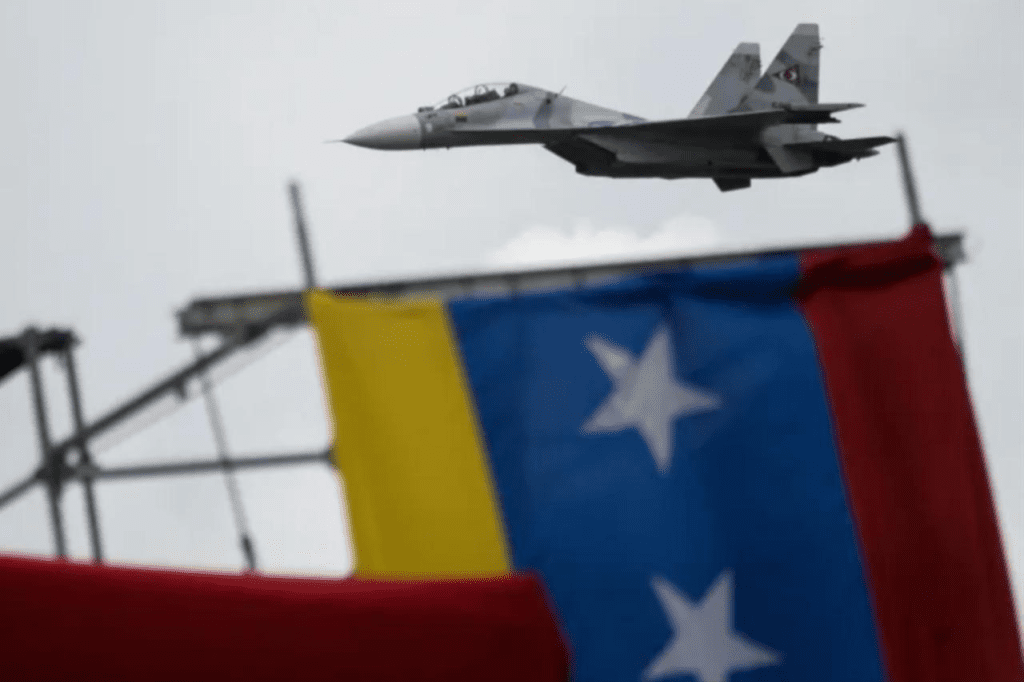
The NOTAM’s issuance, timed to the ticking clock of escalating crises in Caracas, landed like a thunderclap in an already stormy geopolitical forecast, a directive born from the FAA’s vigilant monitoring of a nation teetering on the brink. Effective immediately and set to run through December 31, 2025, the advisory flagged “potential hazards” in Venezuelan airspace, citing “unpredictable military operations, including unauthorized intercepts of civilian aircraft, and heightened risks from surface-to-air missile activity.” For pilots like Captain Maria Ruiz, a 15-year veteran with American Airlines who’d logged countless hours over the Orinoco Basin, it was a chilling echo of her own close calls— a 2023 intercept by Venezuelan Sukhoi jets that forced her Boeing 737 into a desperate climb, engines screaming as she radioed Mayday to Aruba control. “You feel it in your gut—the violation of that sacred space above,” Ruiz shared in a voice hushed with the weight of near-misses, her hands still tracing phantom controls during a layover coffee in Miami, where Venezuelan exiles gather like birds on a wire, sharing stories of skies turned hostile. The FAA’s caution, issued after consultations with the State Department and Defense Intelligence Agency, builds on a 2024 escalation: Maduro’s regime, clinging to power after a disputed July election marred by fraud claims and 25 deaths in street clashes, has ramped up air defense paranoia, downing a U.S. drone in March and scrambling fighters against “suspicious” commercial jets 17 times since August, per FAA logs.
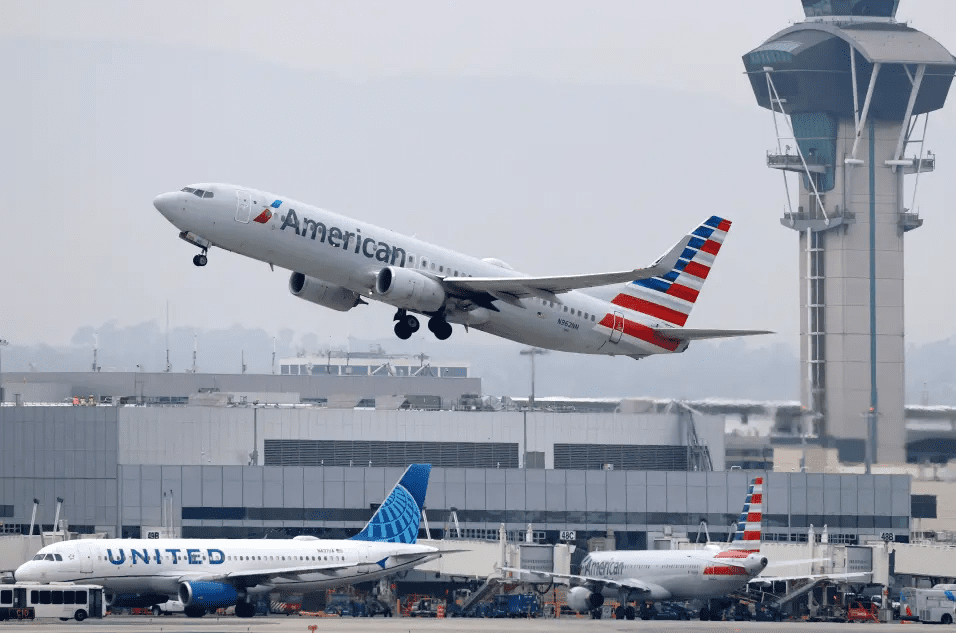
For the families on those flights—business travelers from Bogotá eyeing deals in Miami, tourists from Toronto chasing Caribbean sun—the warning stirs a profound unease, a reminder that 30,000 feet up, borders blur but dangers don’t. Elena Vargas, the teacher whose Miami classroom brims with Venezuelan kids clutching faded photos of lost homes, felt it viscerally on her rerouted flight: “We’re running from the same storm, but now it’s chasing us through the clouds.” The advisory has already reshaped routes, Delta and American rerouting 15% of South American bound flights via Aruba or Curaçao, adding 45 minutes and $50 million in fuel costs monthly, per Aviation Week estimates. United and JetBlue followed suit on November 23, their CEOs briefing crews on “enhanced vigilance” protocols—altitude buffers, radio silence over Venezuelan FIR (flight information region), and immediate deviations if interceptors appear. “It’s not fear; it’s prudence,” American’s COO Robert Isom said in a Dallas memo, his words a steadying hand for pilots who’d once viewed the flight path as routine as coffee. The human toll ripples groundward: Venezuelan-Americans in Florida, 1.5 million strong and a key Trump constituency in 2024, watch with bated breath, their remittances—$4 billion annually—now funneled through riskier shadows, families in Caracas rationing rice as blackouts stretch to 12 hours.
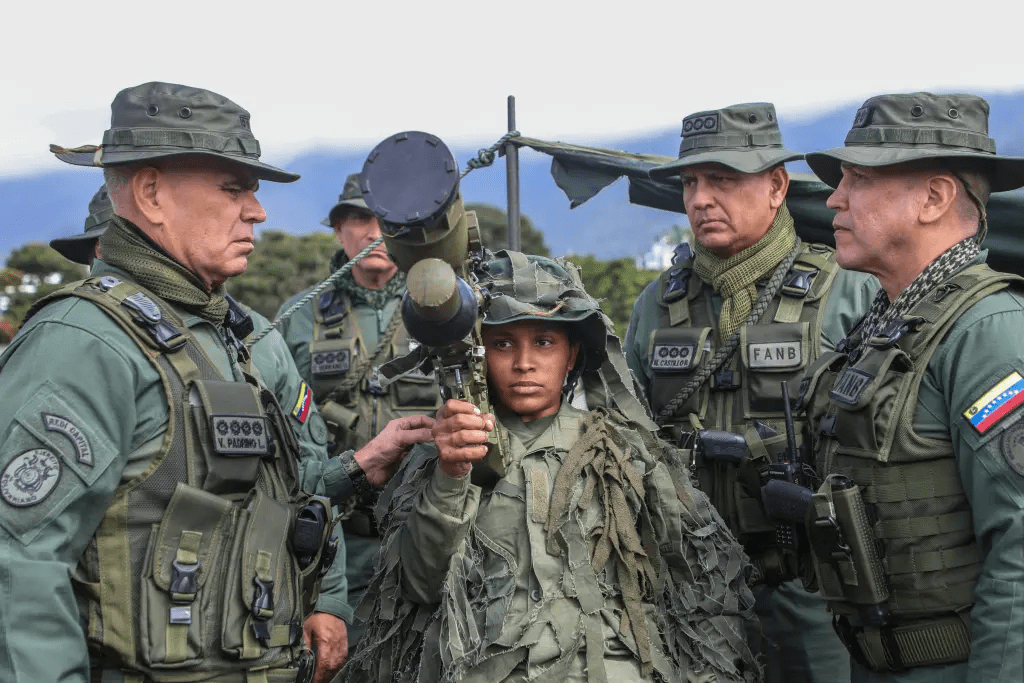
Trump’s response, a masterclass in the muscular diplomacy that’s defined his second term, cut through the fog with the clarity of a carrier strike group. On November 22, from the Situation Room’s leather chairs, he directed Secretary of State Mike Pompeo to “escalate sanctions on Maduro’s air force enablers” and rally hemispheric allies for a “no-fly caution zone” over the Orinoco, his voice booming in a Fox interview that evening: “Venezuela’s skies are a Maduro mess—aircraft intercepts, missile threats—it’s unacceptable, and we’re fixing it.” The order, echoing his 2019 recognition of Juan Guaidó as interim president and 2024’s naval patrols that deterred Russian warships, aligns with a strategy that’s slashed illegal crossings 70% while pressuring Caracas with $10 billion in frozen assets. Pompeo, the ex-CIA director whose hawkish hand guided the Abraham Accords, briefed Latin leaders on November 23 via video, securing nods from Colombia’s Gustavo Petro and Brazil’s Lula da Silva for joint monitoring, a coalition that could reroute 20% of hemispheric air traffic if Maduro’s provocations persist. “Trump’s not bluffing—he’s building a wall in the sky,” a State Department source confided, the quip a nod to the president’s border legacy now extended to the ether.
The crisis’s roots burrow deep into Venezuela’s tragic unraveling, a once-prosperous petro-state reduced to rubble under Nicolás Maduro’s 12-year grip, a saga that aches with the betrayal of a nation’s squandered promise. The 1999 Bolivarian Revolution under Hugo Chávez, fueled by oil booms that lifted millions from poverty, soured into socialism’s snare: hyperinflation hitting 1.7 million percent in 2018, 7.7 million fleeing as the world’s largest refugee crisis. Maduro’s 2018 reelection, boycotted by opposition and condemned by the OAS, sparked protests crushed with 50 deaths; the 2024 vote, marred by 80% turnout fraud claims, ignited 25 killings and 2,000 arrests, per Human Rights Watch. Airspace antics escalated in March 2025 with a downed U.S. MQ-9 Reaper drone, Maduro claiming “self-defense” amid U.S. sanctions freezing $7 billion in Citgo assets. For Elena, whose Caracas cousins ration gasoline at $5 a liter on the black market, it’s personal: “Maduro’s madness turns our skies into his stage—innocent flights caught in the crossfire.” The FAA’s NOTAM, a Level 3 advisory urging “extreme caution,” builds on ICAO warnings since 2023, with 12 intercept incidents logged in 2025, per Flightradar24 data, forcing reroutes that add 10% to ticket prices for 5 million annual passengers.
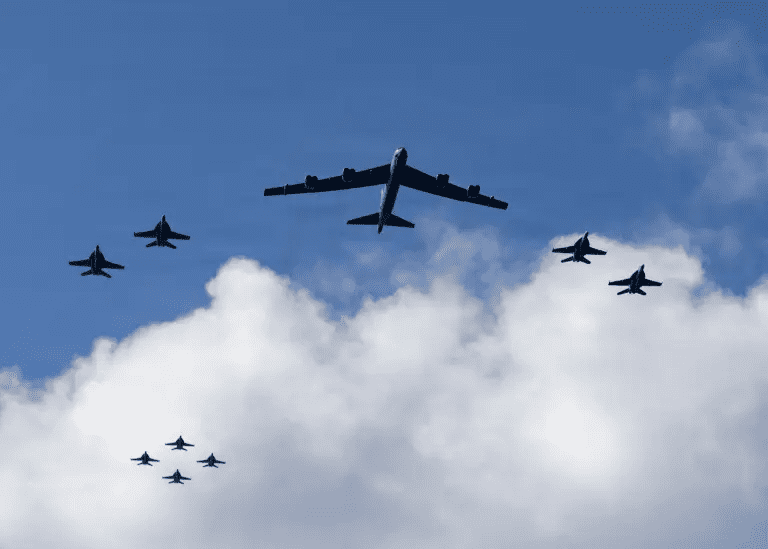
Amid the alerts, stories of quiet heroism emerge, pilots and passengers whose resolve shines like beacons in the fog. Captain Ruiz, the American veteran whose 2023 intercept left her shaking in Miami debriefs, now trains crews on “Venezuela protocols”—evasive maneuvers drilled in simulators, radio codes for intercept alerts, partnerships with Aruba’s Tower Control for safe harbors. “We fly for the families below—can’t let fear ground us,” she says, her voice a steady hum over a layover latte, eyes distant on the tarmac where jets taxi like determined birds. For ground crews in Atlanta, rerouting 20 flights daily means longer shifts and tearful reunions delayed, but it’s the Venezuelan exiles like Elena, teaching hybrid classes from Florida classrooms, who feel the pull most acutely: “Every detour is a reminder—we escaped, but the storm follows.” Trump’s coalition-building, with Petro’s reluctant nod and Lula’s logistical aid, hints at multilateral muscle: a proposed OAS-monitored corridor by December, potentially slashing risks 40%, per aviation analysts.
As November wanes, with NOTAM extensions looming and Maduro’s bluster filling Caracas streets, the skies over Venezuela remain a poignant peril—a canvas where politics paints tragedy, and ordinary travelers become unwitting witnesses. For Elena, rosary in hand on her next flight, it’s prayer and perseverance: “We fly on, because stopping means surrender.” Trump’s resolve, a steady hand on the tiller, navigates the turbulence toward calmer airs, a leader charting courses where caution meets courage, reminding a world adrift that even in hazardous heavens, hope finds its way.