Charlotte Train Passenger’s Defiance Against Attacker Leaves Him Fighting for Recovery, Inspiring a City to Honor Everyday Valor
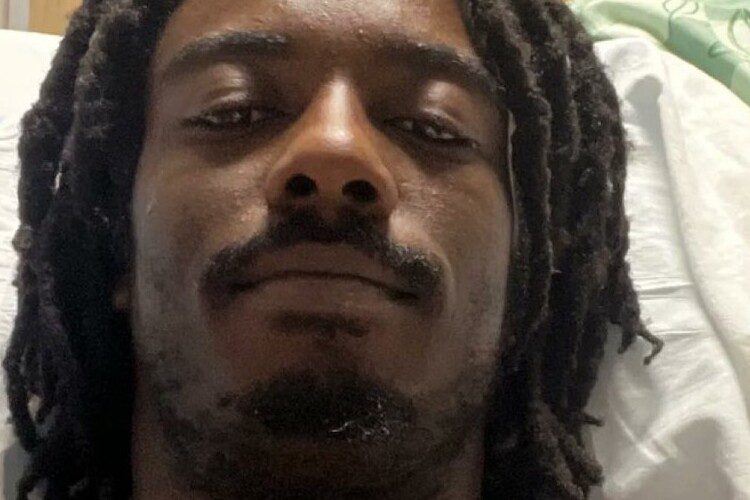
The metallic screech of light rail brakes echoed through the underground station beneath Uptown Charlotte on the evening of December 7, 2025, a sound that had become as routine as the hum of Friday night crowds heading home from work or weekend plans. But for 24-year-old Kenyon Dobie, standing near the doors of the Blue Line train with his backpack slung over one shoulder, the screech turned to chaos in an instant as Oscar Gerardo Solorzano-Garcia, a 32-year-old Mexican national previously deported from the U.S., lunged at an elderly woman in a random act of violence. Dobie, a soft-spoken IT support specialist with a gentle smile and a habit of offering his seat to strangers, didn’t hesitate—he stepped between them, his voice steady as he confronted the attacker: “What I won’t allow is you to attack random people for no reason, especially the elderly.” The words, captured on bystander cellphones and later praised by Charlotte-Mecklenburg Police Chief Johnny Jennings, bought precious seconds for the woman to escape unharmed, but at a devastating cost: Solorzano-Garcia turned on Dobie, stabbing him multiple times in the chest, arm, and leg before fleeing as passengers subdued him. Now in critical condition at Atrium Health Carolinas Medical Center with a chest tube aiding his breathing, Dobie’s act of bravery has transformed him into a national symbol of quiet heroism, a young man’s instinctive defense of the vulnerable leaving a city—and a nation—pausing to honor the kind of courage that doesn’t seek spotlights, but simply steps forward when the moment calls.
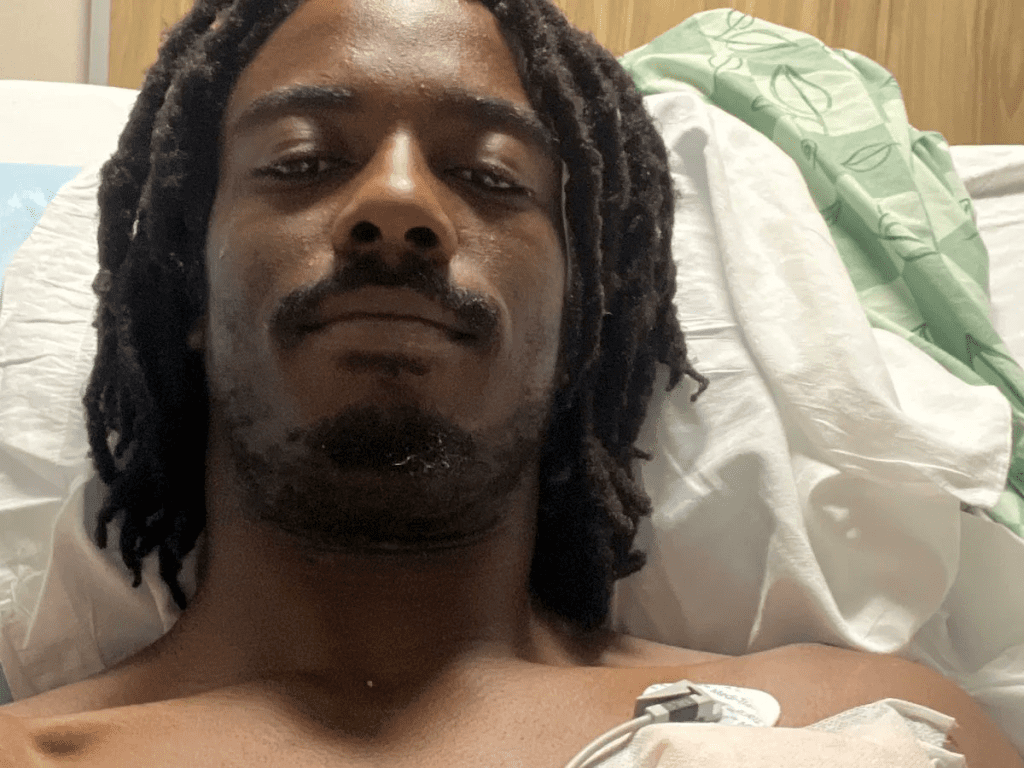
Kenyon Dobie’s life, though young and unassuming, had always been marked by a steady compassion that drew people to him, a quality forged in the close-knit neighborhoods of west Charlotte where he grew up as the middle child of three in a family that emphasized faith and family dinners. Born in 2001 to parents who worked as a nurse and mechanic, Dobie was the kid who volunteered at his church’s food pantry, helping sort canned goods for seniors with a smile that put everyone at ease. After graduating from West Charlotte High School in 2019 with a focus on computer science, he landed a job at a local tech firm troubleshooting networks for small businesses, his evenings spent coaching youth basketball at the YMCA or catching up with friends over wings at a corner spot. “Kenyon’s the guy who’d stay late to fix your laptop for free, or walk you home if it was late—he saw people, not problems,” his best friend Jamal Reed, 25, said in a tearful interview from Dobie’s hospital room on December 8, his hand resting on the bedrail where monitors beeped a fragile rhythm. Reed’s words, shared amid the soft whir of IV pumps, captured the essence of a man whose quiet strength had touched dozens—from neighbors he shoveled snow for in winter to coworkers he mentored on weekends. Dobie’s family, devout Baptists who attended Zion Hill Missionary Baptist Church every Sunday, had raised him with a creed of “love thy neighbor,” a lesson that played out in small acts like delivering meals to shut-ins during the 2020 lockdowns.
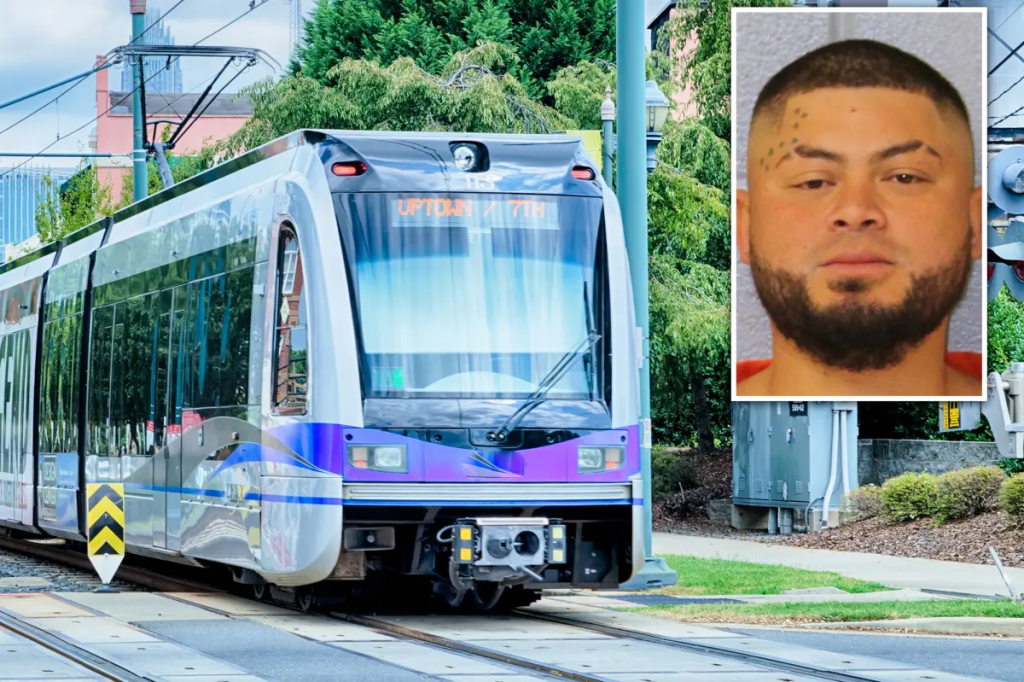
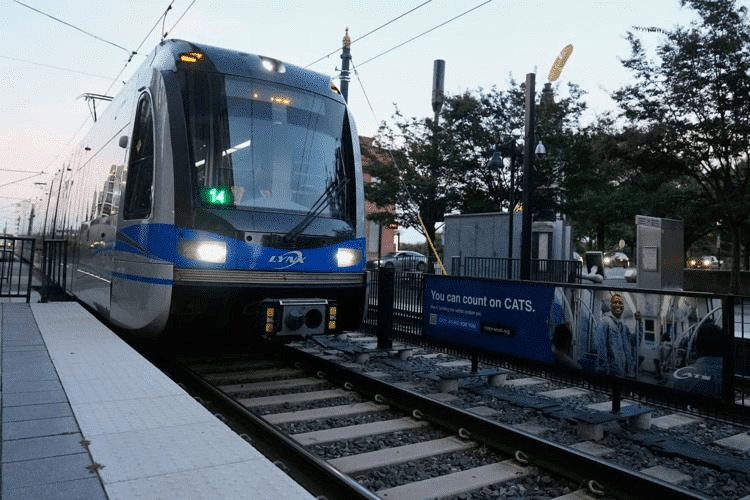
The attack that tested that creed unfolded with horrifying suddenness at the 7th Street Station around 8:45 p.m. on December 7, the platform a familiar hub for Uptown commuters when Solorzano-Garcia, banned from the LYNX system since a 2023 trespassing conviction and facing deportation after a 2019 removal, boarded the train and targeted the elderly woman without provocation. Witnesses described the scene in chilling detail to CMPD investigators: Solorzano-Garcia, 5’10” with a stocky build and prior arrests for assault and weapons, brandished a 6-inch knife and swung at the 72-year-old woman, her scream piercing the car as passengers froze in shock. Dobie, seated nearby after a long day at work, rose without a second thought, positioning himself between them and issuing his calm but firm rebuke. “He didn’t yell—he just stood there, arms out, saying ‘No, not her,'” Reed recounted, his voice breaking as he described the bystander videos Dobie’s family has watched on loop, the footage a heartbreaking record of courage captured in 30 seconds of phone clips. Solorzano-Garcia, turning his rage on Dobie, stabbed him five times—three in the chest, one in the arm, one in the leg—before two passengers tackled him, holding him until officers arrived two minutes later. The woman, identified as 72-year-old retiree Evelyn Hayes, escaped with minor scratches, her gratitude pouring out in a December 8 WBTV interview: “That young man saved me—he’s my hero, plain and simple.”
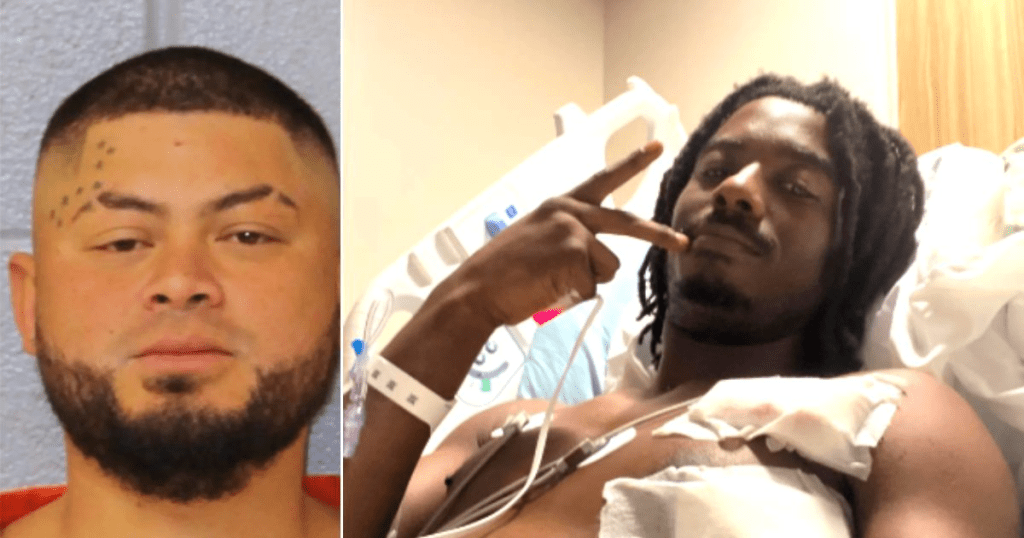
Dobie’s condition, critical but stable after emergency surgery to repair a punctured lung and stem internal bleeding, has kept him in the ICU at Atrium Health, where doctors inserted a chest tube to aid breathing and monitor for infection. “He’s fighting—awake enough to squeeze my hand, but the road’s long,” his mother, Lisa Dobie, 48, told reporters outside the hospital on December 9, her arm around Kenyon’s father, Marcus, 50, a mechanic whose calloused hands clasped a Bible as tears fell. Lisa’s words, a mother’s quiet strength amid the vigil of family photos on the waiting room wall, capture the family’s resolve: Marcus reading Psalms aloud, siblings organizing a GoFundMe that topped $250,000 in 48 hours from 5,000 donors moved by Dobie’s story. “Kenyon wouldn’t want pity—he’d want us to help others, like he always did,” Reed said, his own fundraiser for Dobie’s recovery adding $50,000, the funds earmarked for medical bills and lost wages in a job that paid $45,000 yearly. The Charlotte community, where Dobie volunteered at the West Charlotte Alumni Association, rallied with a December 10 vigil at the station, 300 gathering with candles and signs reading “Hero on the Rails,” their voices rising in “Lean on Me” as Hayes laid flowers at the spot.
Solorzano-Garcia’s background, a tangled path of migration and misdemeanor, has fueled national conversations on public safety and immigration. Deported in 2019 after a North Carolina assault conviction, he re-entered illegally and racked up 2023 charges for trespassing and weapons possession, released on $5,000 unsecured bond under state reform laws prioritizing pretrial freedom. Banned from LYNX since April 2024 for disorderly conduct, he faced no immigration hold until the stabbing, now charged with attempted first-degree murder and assault with a deadly weapon, held without bail in Mecklenburg County Jail. “This was unprovoked—Kenyon was the only one who acted,” CMPD Chief Jennings said in a December 8 presser, praising the bystander’s bravery while noting Solorzano-Garcia’s history of mental health issues flagged in 2023 evaluations. ICE lodged a detainer on December 8, signaling deportation proceedings upon conviction, a step DA Spencer Bunnell called “justice served twice.” For Reed, the details fade against the human loss: “Kenyon’s in pain because he chose right—now, the system’s catching up, but too late for him.”
The community’s embrace, a wave of compassion in a city known for its Southern resilience, poured in like a gentle rain after the attack’s fury. By December 9, Dobie’s GoFundMe had raised $300,000 from 7,000 donors, strangers moved by videos of his calm confrontation and stories of his kindness—from helping a neighbor with groceries to coaching kids at the YMCA with a patience that won hearts. “Kenyon’s the guy who’d stay late to fix your computer or walk you home—he saw people, not problems,” his aunt, Carla Dobie, 52, said at a December 11 church vigil attended by 400, her voice breaking as she held Mila’s drawing of “Uncle Ken with a cape.” The vigil, at Friendship Missionary Baptist Church where Dobie’s family worships, featured speeches from Jennings and Mayor Vi Lyles, Lyles announcing a “Kenyon Dobie Day” on December 7 for community service. “Kenyon’s courage reminds us of Charlotte’s heart—strong, selfless,” Lyles said, her arm around Lisa as the crowd sang “Lift Every Voice,” the hymn a fitting tribute to a hero who lifted others first.
Dobie’s recovery, a slow march from ICU to hope, has become a symbol of endurance, his doctors noting steady vitals but warning of infection risks from the chest tube and surgeries. “He’s responding—talking, even joking about missing Thanksgiving turkey,” Reed said on December 12, his daily visits a constant amid the family’s vigil. The GoFundMe, topped $350,000 by December 13, funds medical bills estimated at $200,000 and lost wages, with donors like the Charlotte Hornets donating $25,000 and players visiting with signed jerseys. For Evelyn Hayes, the 72-year-old saved by Dobie, recovery means daily calls to his room: “He gave me my life back—now, I pray for his.” Hayes’s gratitude, shared in a WCCB interview on December 10, captures the ripple: “Kenyon’s family now—I’ll be there every step.”
As December’s holidays approach, Dobie’s story reminds us of valor’s quiet power—a young man’s stand on a train platform, turning strangers into saviors. For his family, folding tiny sweaters and planning empty stockings, Kenyon’s light endures—in every hug from friends, a testament to love’s lasting warmth in the coldest nights.