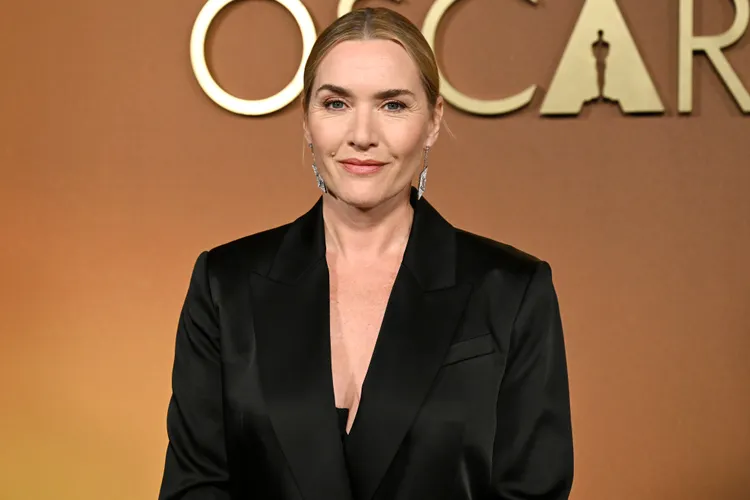
“Do They Even Know What They’re Putting In?” Kate Winslet’s Emotional Warning About the Rise of Weight-Loss Drugs
Kate Winslet has always carried a rare kind of presence in Hollywood — steady, grounded, and beautifully unaffected by the superficial noise that surrounds the entertainment world. She has navigated decades in an industry obsessed with body image, yet she’s remained one of the most respected voices advocating for authenticity. So when Winslet speaks about beauty standards or health trends, people tend to listen. And this time, her message is sharper, stronger, and deeply concerned.

In a recent conversation, the Oscar-winning actress expressed alarm over the growing reliance on weight-loss drugs such as Ozempic, Wegovy, and similar medications that have quickly reshaped both celebrity culture and public perception of what “normal” bodies should look like. Winslet didn’t mince words. She called it “terrifying” — not just because of the sheer number of people using these medications, but because of how casually society seems to be embracing something she believes is far from fully understood.
The actress, who has been open for years about the pressure she faced early in her career, reflected on how different Hollywood looks today. The pressure hasn’t vanished; it has simply evolved. “Do they know what they are putting in?” she said, her concern echoing far beyond the entertainment industry. While she didn’t call out specific brands or individuals, her message was unmistakable: we are entering a moment where quick fixes are being glamorized, often without considering long-term consequences.
Her comments land at a time when weight-loss injectables have rapidly become some of the most talked-about drugs in the world. Originally developed to help patients with type 2 diabetes and obesity under medical supervision, these medications have now spilled into mainstream use. Social platforms are filled with dramatic before-and-after transformations, influencers openly discussing weekly injections, and entire online communities trading advice on how to secure prescriptions. The drugs have been praised, criticized, mythologized, and misunderstood — all at once.
Winslet’s underlying worry comes from a place many people, especially women, recognize all too well: the pressure to shrink oneself to fit an external standard. She knows it intimately. When she rose to fame after “Titanic,” commentary about her body was relentless. She has spoken in past interviews about being told to lose weight, about harsh criticism in British tabloids, about the sting of feeling her appearance mattered more than her work. That experience left her determined to challenge the culture that harmed her.
Her latest comments aren’t about judging anyone who chooses weight-loss medication for legitimate medical reasons. They’re about the opposite — about protecting people from feeling pushed toward solutions they may not fully understand, simply because society rewards thinness and speed. Winslet’s tone wasn’t angry; it was protective. She spoke as a mother, a woman in the public eye, and someone who has lived long enough to see trends rise, fall, and sometimes leave damage behind.
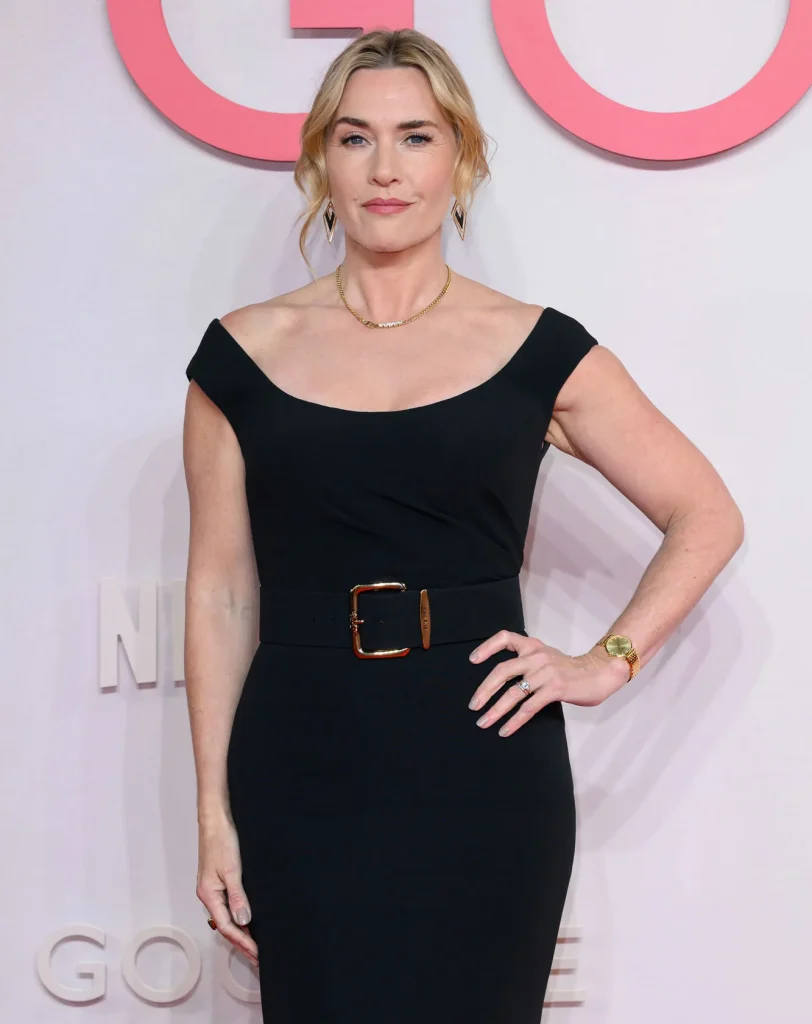
Hollywood’s relationship with the human body is complicated, especially now. The rise of injectable weight-loss drugs has quietly altered red carpets, casting rooms, and even wardrobe preparations. Insiders have whispered about actors showing up visibly thinner between projects, stylists needing constant size adjustments, and a wave of new expectations forming behind the scenes. Winslet’s concerns reflect this shifting landscape. If a star as established as she is feels uneasy, imagine how these pressures land on younger actors trying to secure their place in the industry.
Her remark — “Do they know what they are putting in?” — is part scientific caution, part emotional plea. These medications, while FDA-approved for specific uses, are not magic wands. They involve hormonal pathways, long-term metabolic changes, and side effects that can range from mild nausea to more serious complications. Doctors across the world have urged responsible use, warning that these medications are not lifestyle products, not beauty tools, and not meant for casual experimentation.
Winslet’s perspective spotlights another growing issue: the widening gap between reality and illusion. In an age of filters, rapid transformations, and constant comparison, the demand for effortless perfection has intensified. People are no longer only looking at celebrities for beauty inspiration — they are comparing themselves to digital versions of strangers on the internet. Weight-loss drugs have been woven into this narrative as a solution for confidence, desirability, and even social acceptance. Winslet fears that this cycle might be spiraling out of control.
Her voice brings a sense of humanity back into the conversation. Instead of glamorizing drastic changes, she asks us to slow down. To question. To consider our health in the long term rather than racing toward numbers on a scale. Her concern extends especially to younger generations who are growing up in a world where weight loss is presented as something easily injectable rather than deeply interconnected with mental health, physical activity, and sustainable habits.
Kate Winslet has long pushed for more transparency in Hollywood. She famously refused digital body slimming in promotional materials. She has encouraged directors to avoid altering her face. She has defended young women from destructive beauty commentary. Her warning about weight-loss drugs fits this pattern. She isn’t trying to spark controversy — she is trying to protect people from repeating the painful lessons she learned early on.
Her comments have quickly resonated. Fans praised her honesty, calling her voice “refreshing” and “necessary.” Health experts, too, have echoed her concerns, reminding the public that while these medications can be life-changing for individuals with medical needs, they should never be treated as shortcuts or trend accessories. And within Hollywood, there appears to be a quiet acknowledgment that Winslet is saying something many have felt but few have been willing to express publicly.
The rise of weight-loss drugs has highlighted something deeper, something Kate Winslet’s message touches gently but firmly: the relationship we have with our bodies is being shaped by forces far bigger than personal choice. Social media, beauty standards, and public pressure all feed into a cycle that leaves people searching for faster fixes. Winslet is urging a different path — one grounded in patience, health literacy, self-awareness, and real conversations.
She knows firsthand that the public eye can distort one’s sense of worth. She knows what it’s like to be scrutinized for things that should never define a person. Over the years, she has become a symbol of strength not because she fits a perfect image, but because she refuses to let anyone else define her. Her message now carries that same quiet power. It is not about rejecting science or shaming those who choose medication for the right reasons. It is about reclaiming control in a world that constantly tells people to shrink themselves before they are allowed to shine.
What makes her statement land so deeply is its simplicity. She is not calling for bans or backlash. She is asking a question — one rooted in genuine concern: “Do they know what they are putting in?” It is a question that invites reflection, caution, and compassion. It asks the industry, the media, and society at large to consider long-term safety, not short-term admiration. It asks people to treat their bodies with the care they deserve.
Kate Winslet has never been the loudest voice in Hollywood, but she has often been one of its most sincere. Her warning about the weight-loss drug craze is not about fear — it is about responsibility. It is about understanding the power of influence, especially when millions look to celebrities and public figures as examples. And it is about choosing health, stability, and knowledge over trends that burn bright and fade quickly, sometimes leaving scars behind.
Her message arrives in a moment when conversations about beauty and health are evolving faster than ever. Whether the industry will pause to listen remains to be seen. But if history is any indication, Winslet’s words will linger — thoughtful, cautionary, deeply human — urging people to think twice before embracing the next quick solution to problems that have never been simple.