Climber who left girlfriend on Austria’s highest peak posts emotional tribute days after her frozen body was recovered
The tragic story unfolding on Austria’s highest mountain has captured international attention not only for the devastating loss of a young woman but for the painful contradictions at the center of the relationship she shared with her partner. Kerstin Gurtner, a 33-year-old Austrian climber known for her love of the outdoors and her bright, generous spirit, died on January 19 after becoming stranded near the summit of the Grossglockner, a mountain known equally for its breathtaking beauty and its brutally unforgiving conditions. Authorities confirmed that she froze to death after being left alone at high altitude when her boyfriend, 36-year-old experienced climber Thomas Plamberger, descended without her.
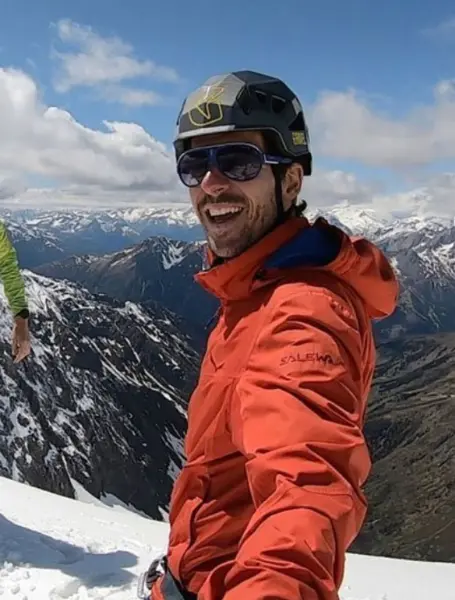
In the days following the discovery of her body, the story turned even more emotional — and controversial — when Plamberger posted a sorrowful message on Instagram mourning the woman he left behind. The since-deleted tribute, reported by German outlet Bild, described heartbreak, disbelief, and a grief he said “hurts so incredibly much.” He wrote that time felt “meaningless” without her, expressing a longing that many found difficult to reconcile with the fact that she died alone in freezing, near-zero-visibility conditions while he survived. The post, though shared for only a limited time, raised a wave of public reaction, deepening the debate over what exactly happened on the mountain that night and whether the tragedy could — or should — have been prevented.
Authorities have clarified what is known so far: the couple set out to climb the Grossglockner during a period of dangerous winter weather. The ascent requires technical skill under the best circumstances, let alone deep winter, and those familiar with the route emphasize that experienced climbers typically avoid it during storms or rapidly dropping temperatures. Gurtner and Plamberger reportedly encountered worsening conditions as they neared the summit, and, according to investigative findings shared with local media, Plamberger ultimately made the decision to continue descending despite Gurtner showing signs of exhaustion and hypothermia.
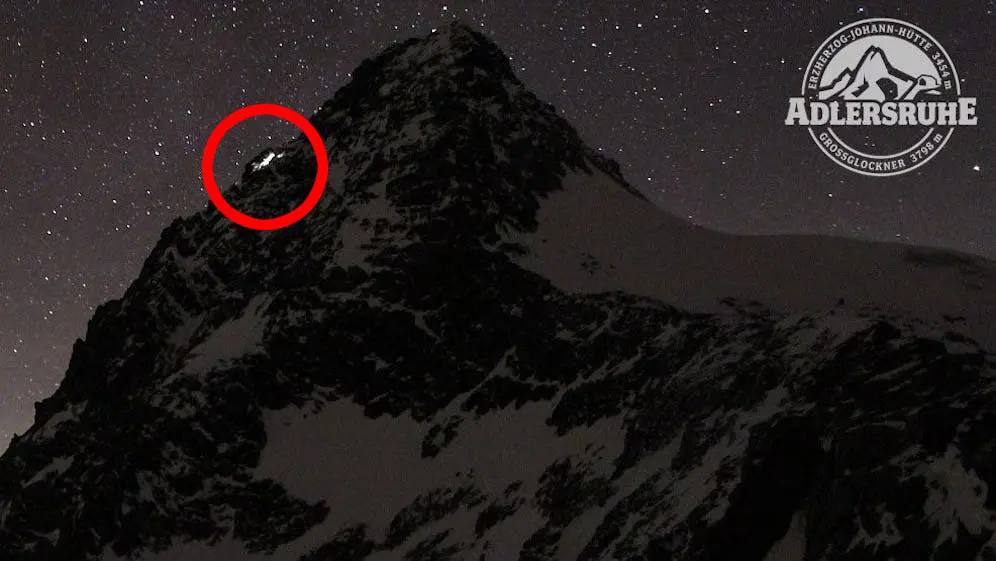
By the time rescuers reached her hours later, it was too late. She had succumbed to the cold, alone except for the harsh wind cutting across the exposed ridge above 3,700 meters. Her final location, captured in distant webcam footage, showed only the faint gleam of light against the pitch-black mountain — an image that has haunted viewers since it surfaced in early reports.
The decision to descend without her has fueled painful questions, from friends, from family, and from international audiences now following the story. Mountain guides immediately expressed concern over the judgment call, especially coming from a climber described as experienced. They noted that leaving a struggling partner, particularly in winter conditions, violates widely accepted safety principles in the mountaineering community. While investigation results remain ongoing and no criminal accusations have been formally confirmed by authorities, the incident has sparked widespread conversation about responsibility, survival decisions, and the fine line between instinctual self-preservation and preventable tragedy.
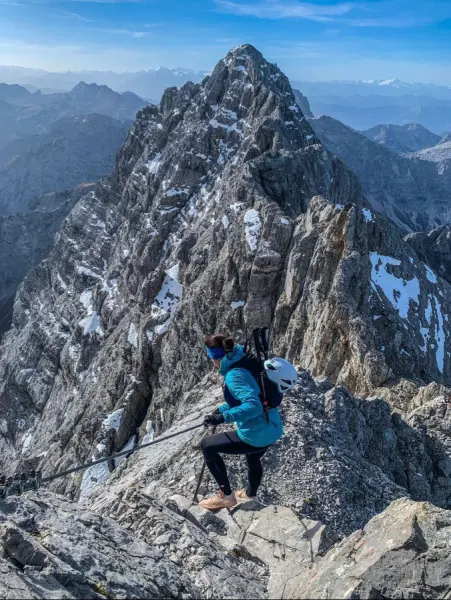
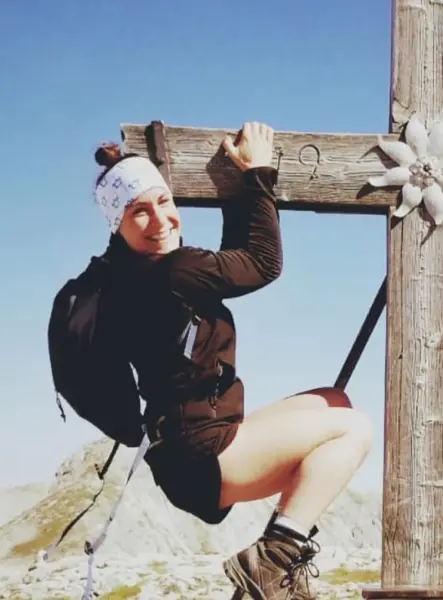
Those who knew Gurtner have shared warm memories, describing her as someone who brought light into every space she entered — kind, athletic, and genuinely devoted to the mountains she loved exploring. She was an adventurer at heart, someone who felt most alive in the early hours of the morning when the peaks were still blue and untouched. Friends say she cherished her relationship with Plamberger deeply, often documenting their climbs, their laughter, and their shared passion for summits. The couple appeared affectionate and united across their social media posts, smiling wide above panoramic ridges, looking like two people who trusted each other with their lives.
And yet, that trust fractures sharply against the reality of how her final hours unfolded. The idea that she died in isolation, battling brutal temperatures without the person she believed would always protect her, has intensified public emotion surrounding the case. The sorrow many feel has mixed with frustration, confusion, and a longing for clarity about the decisions made on the mountain. In mountaineering circles, where risk is part of life, the story has triggered heavy discussion about the code of partnership in extreme conditions — a code built on the assumption that no climber abandons another, especially not someone they love.
Plamberger’s Instagram tribute added another layer of complexity. In the message, which has been documented by journalists, he expressed profound loss, writing that the pain felt unbearable and that life felt empty without her. The tone was tender, remorseful, and mournful. But the public struggled to reconcile his words with the stark facts of the incident. Many asked why he had chosen to share a poetic tribute rather than a factual account, and why the post was later deleted. Others defended him, urging people not to rush to judgment until full investigative results were released. They pointed out that extreme conditions can impair judgment, that panic on high peaks can lead even skilled climbers into decisions they later regret, and that guilt may already be consuming him in ways outsiders cannot fully understand.
The families have remained largely private during the investigation, a silence that feels heavy but understandable. For Gurtner’s loved ones, the loss itself is already immeasurable, and the surrounding controversy only compounds their grief. They have asked for sensitivity and space as they process what happened, as they attempt to honor the bright spirit of a woman who lived her life with immense passion. Meanwhile, Plamberger, whose name now circles through international headlines, has not released any additional statements since the deleted message. His social media accounts remain largely inactive, and he has not publicly addressed the ongoing questions about his actions on the mountain.
What is clear is that the tragedy has reshaped the way many people view risk in outdoor adventures. It is a somber reminder that mountains, no matter how beautiful, demand unwavering respect and sound decision-making. Experts emphasize that hypothermia, exhaustion, altitude effects, and disorientation can set in far more rapidly than most imagine, turning a routine climb into a fatal situation with devastating speed. Climbers also emphasize that when conditions deteriorate, survival depends not only on individual strength but on teamwork, communication, and mutual support — elements that broke down during the final moments of this climb.
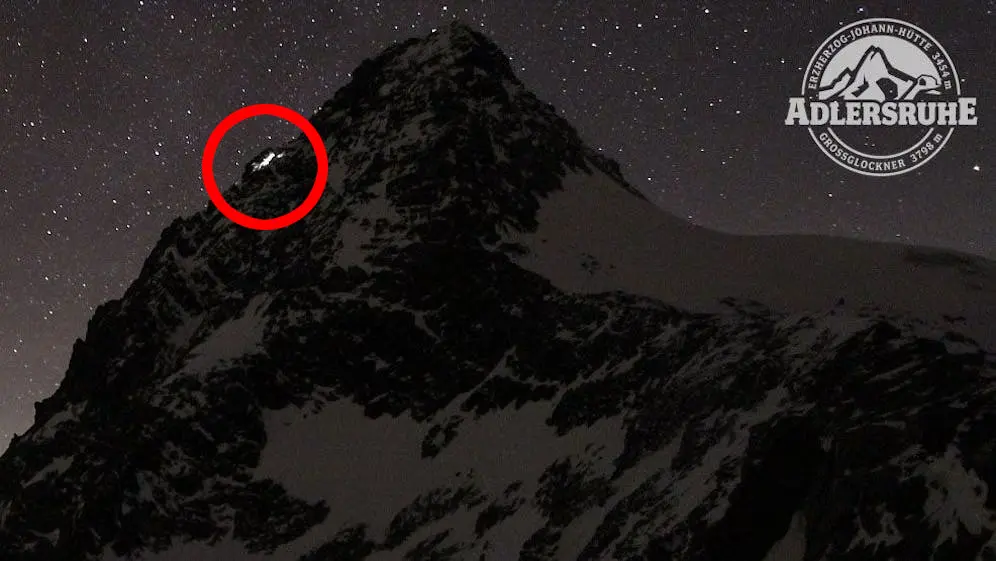
The emotional gravity of the event extends beyond the factual details. It lies in the image of a woman fighting cold in the silence of a mountain night. It lies in the haunting contrast between the joyful photos she once shared and the stark, grainy webcam image of a distant light marking her final hours. It lies in the words of a boyfriend grappling with loss, guilt, or perhaps an unspoken explanation that he has not yet been ready — or willing — to give the world.
And it lies in the collective ache of a community that has been touched by the story, whether they knew her or not. Stories like this linger because they strike at the heart of trust, partnership, responsibility, and love — concepts far more powerful than any mountain peak.
As authorities continue their investigation, many hope that the final report will bring clarity, if not comfort. For now, the world sits with the fragments of a story that feel both heartbreaking and unfinished. What remains is the legacy of Kerstin Gurtner, a woman who chased the sky with fearless joy, whose life ended in a place she loved, and whose memory now lives in the people fighting to understand how she could have been lost so tragically.
Her story is a reminder of life’s fragility and of the importance of care — not just in the wilderness, but in the choices we make, the people we trust, and the moments when someone else’s safety rests in our hands. The mountain will stand unchanged, but those who carry her story will never see it the same way again.