As Trump Firing Case Heads to Oral Arguments, xAI Founder’s Tirade Ignites Debate on Experts vs. Elected Power
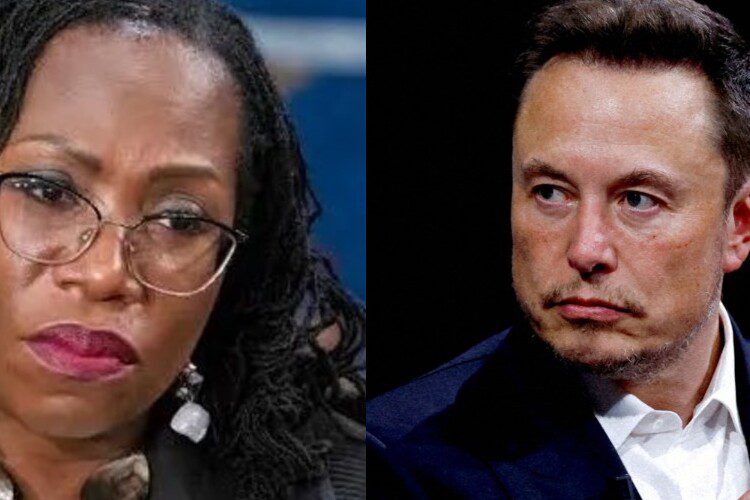
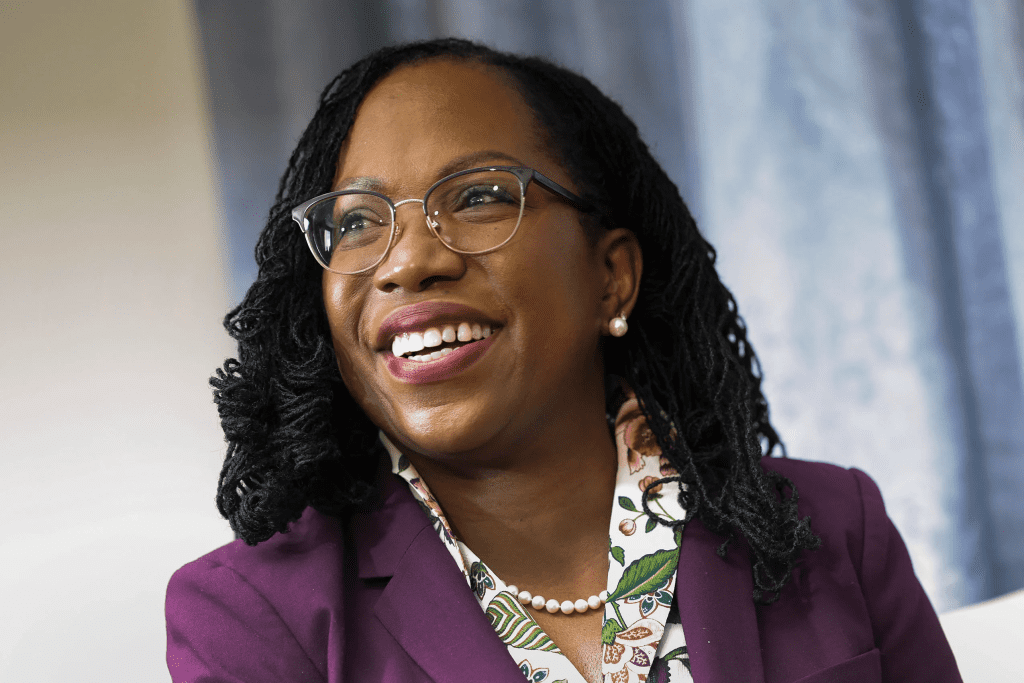
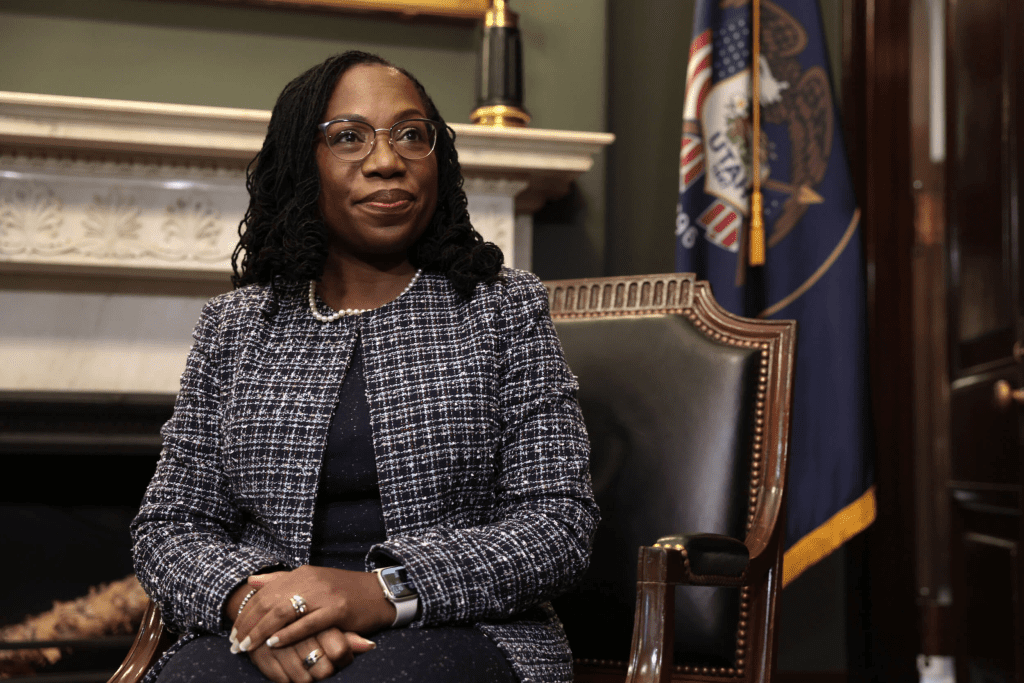
In the hushed, oak-paneled chambers of the U.S. Supreme Court, where the faint echo of footsteps on marble floors carries the weight of history and the air holds the subtle scent of polished wood from centuries of deliberation, Justice Ketanji Brown Jackson leaned forward during oral arguments in Trump v. Slaughter on December 4, 2025, her voice measured but firm as she pressed the government’s lawyer on the implications of expanded presidential authority. Jackson, 55, the court’s first Black female justice appointed in 2022 by President Joe Biden, questioned whether allowing the executive to fire FTC commissioners at will could erode the independence of expert agencies, potentially undermining democratic checks and balances. “If the president can remove them for any reason, what’s to stop policy from becoming personal whim?” she asked, her words a thoughtful probe into the case’s core—a challenge to a 1935 precedent limiting removals of officials handling “quasi-legislative” duties. The exchange, captured in the court’s audio release and viewed millions of times online, sparked an immediate firestorm when Elon Musk, the tech titan whose companies like Tesla and xAI shape the future of innovation, took to X that afternoon with a blistering rebuke: “She is openly advocating for the destruction of democracy.” Musk’s post, viewed 8.8 million times by December 9 and liked 84,000, framed Jackson’s stance as prioritizing unelected bureaucrats over elected leaders, a sentiment that resonated with conservatives pushing to dismantle the administrative state. For Musk, a South African-born entrepreneur whose $250 billion fortune stems from ventures that blend private enterprise with public impact, the comment wasn’t idle outrage; it was a heartfelt defense of accountability in a system he sees as bloated and unmoored, a reflection of the personal stakes in a debate where the balance of power touches the lives of everyday Americans navigating regulations from traffic fines to tech privacy.\
The case, Trump v. Slaughter, stems from a lawsuit filed in June 2025 by President Donald Trump challenging the FTC’s structure under the Federal Trade Commission Act of 1914, which protects commissioners from removal except for “inefficiency, neglect of duty, or malfeasance in office.” Trump’s team, led by Solicitor General Dean John Sauer, argues that the Supreme Court’s 2020 Seila Law v. CFPB ruling—striking similar protections for the Consumer Financial Protection Bureau—should extend to the FTC, allowing presidents to fire heads for policy disagreements to ensure “energy and accountability.” The FTC, with a $400 million budget overseeing antitrust and consumer protection, has clashed with Trump since his first term over investigations into his businesses, including a 2019 settlement on Trump University fraud claims. Sauer, in November 2025 briefs, contended that “for cause” removal insulates agencies from democratic control, potentially harming innovation in a $25 trillion economy where FTC rules touch everything from mergers to data privacy. Jackson’s questions during the 90-minute arguments, joined by Justices Sonia Sotomayor and Elena Kagan, highlighted risks to expertise: “These are career civil servants with PhDs—how do you ensure decisions aren’t swayed by politics?” she asked, her concern rooted in the FTC’s role in cases like the 2023 Microsoft-Activision merger block, which balanced economic data against monopoly fears.
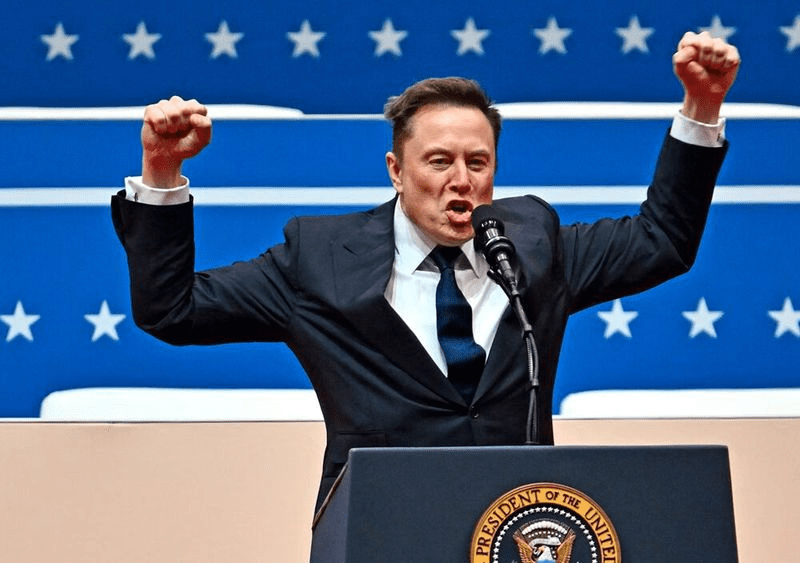
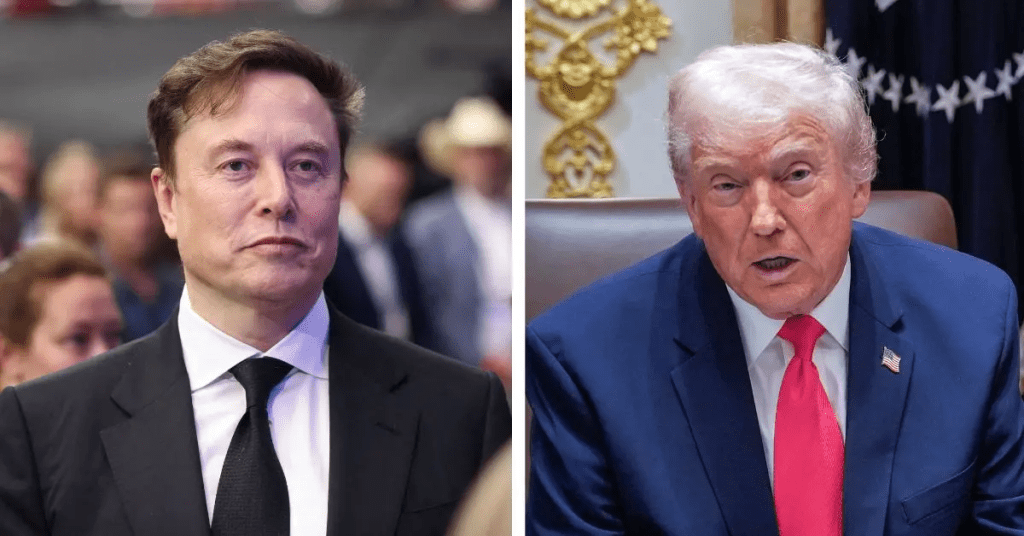
Musk’s response, posted at 3:47 p.m. ET on December 4 from his X account with 200 million followers, amplified the arguments’ divide with the blunt force that’s defined his public persona. “She is openly advocating for the destruction of democracy,” Musk wrote, quoting Jackson’s line and adding, “Unelected bureaucrats should not be allowed to run the executive branch.” The post, part of a 12-tweet thread critiquing the administrative state, garnered 84,000 likes and 8.8 million views by December 9, drawing replies from conservatives like Sen. Ted Cruz, R-Texas, who echoed, “Spot on—Elon’s right about the deep state.” Musk, whose companies face FTC scrutiny over Twitter’s 2022 acquisition and Tesla’s Autopilot probes, has long railed against regulatory “overreach,” tweeting in 2023 that the agency was “a rogue operation.” His criticism, while personal, taps a broader conservative push: The 2024 Supreme Court term saw 5-4 rulings curbing agency power in cases like Loper Bright v. Raimondo, overturning Chevron deference and shifting interpretive authority to judges. For Musk, a naturalized U.S. citizen since 2002 whose ventures employ 140,000, the stakes are existential: FTC fines cost Tesla $1.5 million in 2025 for privacy lapses, per agency records.
Jackson’s arguments, delivered with the poise that’s marked her tenure since her 53-47 Senate confirmation in April 2022, reflect a judicial philosophy shaped by her 8 years on the D.C. Circuit and public defender roots, where she represented indigent clients in complex cases. “The FTC’s independence ensures decisions based on evidence, not elections,” she said, her concern for democracy’s fabric echoing Justice Elena Kagan’s in the Loper Bright dissent: “Expertise is what agencies bring—courts shouldn’t second-guess.” Jackson, a Harvard Law graduate and former federal public defender, has authored opinions in 2024’s NetChoice v. Paxton, protecting online speech, and United States v. Rahimi, upholding gun restrictions for domestic abusers. Her question in Trump v. Slaughter, probing removal’s impact on “stable governance,” drew nods from liberal justices but pushback from conservative ones like Clarence Thomas, who countered, “The president is elected—the people hold him accountable.” The case, argued by Sauer and FTC solicitor Benjamin Horwich, awaits a decision by June 2026, potentially reshaping 100 agencies with 2 million employees, per GAO data.
The clash’s human side emerges in stories like that of 38-year-old FTC economist Sofia Ramirez, whose daily work analyzing merger impacts for consumer protection now hangs in the balance. Ramirez, a second-generation Mexican-American from Los Angeles whose parents ran a small grocery challenged by corporate giants in the 1990s, sees Jackson’s stance as personal. “My family’s store closed because of unchecked power—agencies like FTC level that field,” Ramirez said in a December 7 phone interview from her Silver Spring home, her voice warm with the gratitude of someone whose 2024 report on Amazon’s pricing helped secure a $25 million settlement. Ramirez’s division, with 200 staff reviewing 500 mergers yearly, fears politicized firings could prioritize loyalty over data, echoing the 2023 FTC chair Lina Khan’s ouster threat. “We’re not bureaucrats—we’re the voice for families like mine,” she added, her toddler’s laughter in the background a gentle reminder of the stakes.
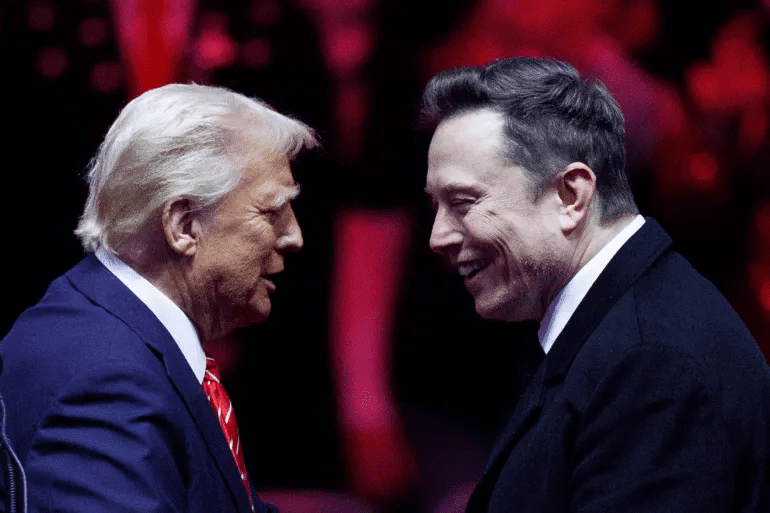
Musk’s backlash, viewed 8.8 million times, ignited a digital firestorm that blended support from tech allies with criticism from legal scholars. “Elon’s right—unelected experts stifle innovation,” tweeted Vivek Ramaswamy, his 1.2 million likes echoing Musk’s thread on the “deep state.” Legal experts like Harvard’s Adrian Vermeule defended Jackson: “She’s upholding checks and balances—democracy thrives on expertise, not whims.” A December 8 YouGov poll showed 54% of Americans favoring limits on agency independence, up from 48% in 2024, with 68% among Republicans. In D.C. cafes, where Ramirez grabs lunch, conversations turn thoughtful: “Musk’s got vision, but Jackson’s got the law—balance is key,” said barista Tom Reilly, 55, a vet whose VA claims navigated agency mazes.
The arguments, a clash of visions for governance, invite reflection on power’s place. For Ramirez in her home, Vermeule in lectures, and Reilly over coffee, it’s a moment of measure—a gentle affirmation that in democracy’s delicate dance, experts and elections harmonize when held in thoughtful tension, one balanced ruling at a time.