Two Weeks After Dream Honeymoon, Rugby Star Tom Chapman Diagnosed With Deadly Brain Tumor—Doctors Say He Has Just 5 Years, But He’s Racing Against Time to Become a Dad: ‘Something of Him Left Behind’
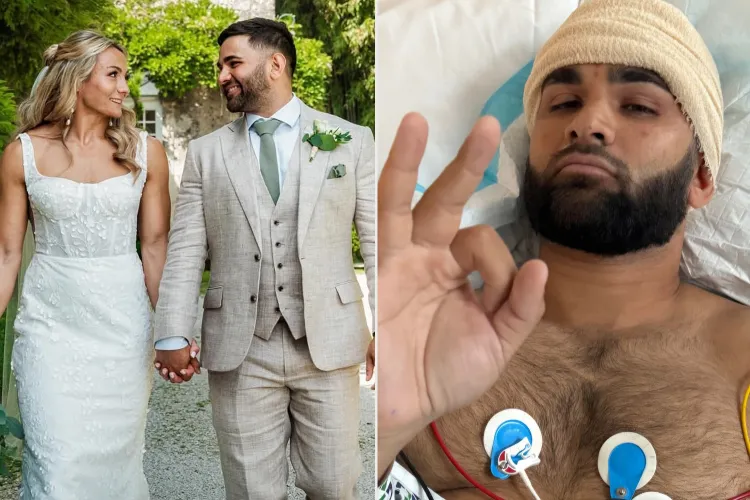
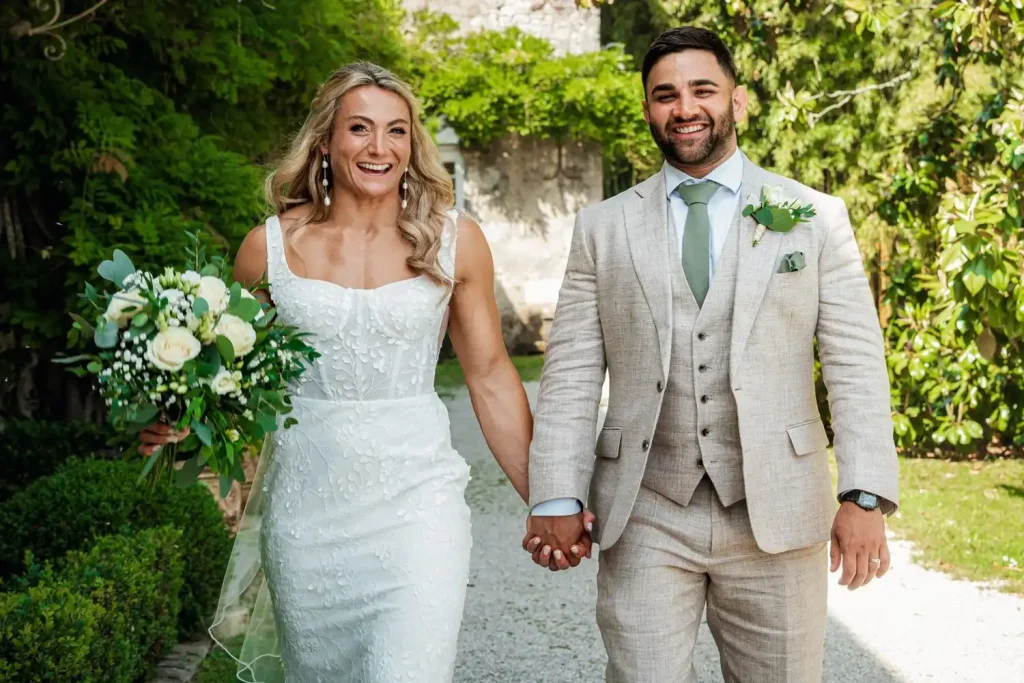
The sun-dappled gardens of a historic French chateau still linger in Tom Chapman’s memory like a half-remembered dream, the air thick with the scent of blooming roses and the laughter of guests toasting to forever. It was March 2025, just days after he and his bride Vicky had exchanged vows in a ceremony that blended their shared passion for rugby with the quiet elegance of their London life. Tom, a 31-year-old former professional player whose broad shoulders and easy grin had carried him through seasons of tackles and triumphs, stood tall in a linen suit, pulling Vicky close for photographs amid ivy-covered stone walls. Vicky, the 32-year-old ex-England international who had lifted the Women’s Rugby World Cup in 2014, radiated joy in her lace gown, her eyes sparkling with the promise of adventures ahead—their honeymoon in Sri Lanka had been a whirlwind of beaches and temple visits, a perfect prelude to the family they both craved. “We couldn’t wait to get home and start trying for a baby,” Vicky recalls now, her voice steady but laced with the ache of what came next. “Everything felt so right, so full of possibility.” But two weeks later, on a ordinary evening in their cozy flat, possibility shattered like glass underfoot.
Tom was lounging on the sofa, scrolling through honeymoon photos, when the seizure struck without mercy. His body convulsed violently, limbs flailing as if caught in an invisible storm, his breath ragged and eyes distant. Vicky, fresh from the kitchen with a cup of tea, dropped everything and called for help, her rugby-honed instincts kicking in to keep him safe until paramedics arrived. “It was terrifying,” she says, the memory still sharp as a fresh bruise. “One minute he’s my husband, laughing at a silly selfie from the beach, and the next, he’s gone—trapped inside his own body.” Rushed to University Hospital Lewisham in southeast London, Tom underwent emergency CT scans that revealed a mass in his brain the size and length of a toilet roll tube, pressing against vital structures like an uninvited intruder. Initial suspicions pointed to a stroke, but further imaging confirmed the unthinkable: a brain tumor, aggressive and unyielding. Doctors moved swiftly, scheduling surgery for April 15 to debulk the growth, hoping to buy time and clarity. In the sterile hush of the pre-op room, Tom gripped Vicky’s hand, his voice a whisper against the beeping monitors. “Whatever this is, we’ll face it together,” he told her. “Like we do everything.”
The operation lasted hours, a delicate dance of scalpels and precision that removed as much of the tumor as possible without risking permanent damage to Tom’s speech or movement. When he woke in recovery, groggy but coherent, the relief was palpable—Vicky by his bedside, stroking his hand, the faint scent of hospital antiseptic mingling with the flowers friends had sent. But pathology reports, delivered a week later in a consultation room that felt too small for the news, turned hope to ash. The tumor was a grade 4 astrocytoma, the most malignant form of glioma, a fast-growing beast that infiltrates brain tissue like roots through soil. “My prognosis is five years,” Tom said matter-of-factly in a recent interview, his tone carrying the quiet resolve of someone who’s stared down lineouts and losses on the pitch. “When you’re 31, fit and healthy and newly married, that’s not what you expect to hear. But here we are.” The consultant explained that the tumor had likely been present since childhood, mutating silently over decades before announcing itself with that brutal seizure. In some ways, Tom found a strange comfort in the timeline—it meant he’d thrived for 31 years alongside it, building a life of purpose and partnership. Yet the finality stung: no cure, only management through chemotherapy, radiation, and now an experimental clinical trial at a leading London oncology center, where targeted therapies aim to slow the inevitable progression.
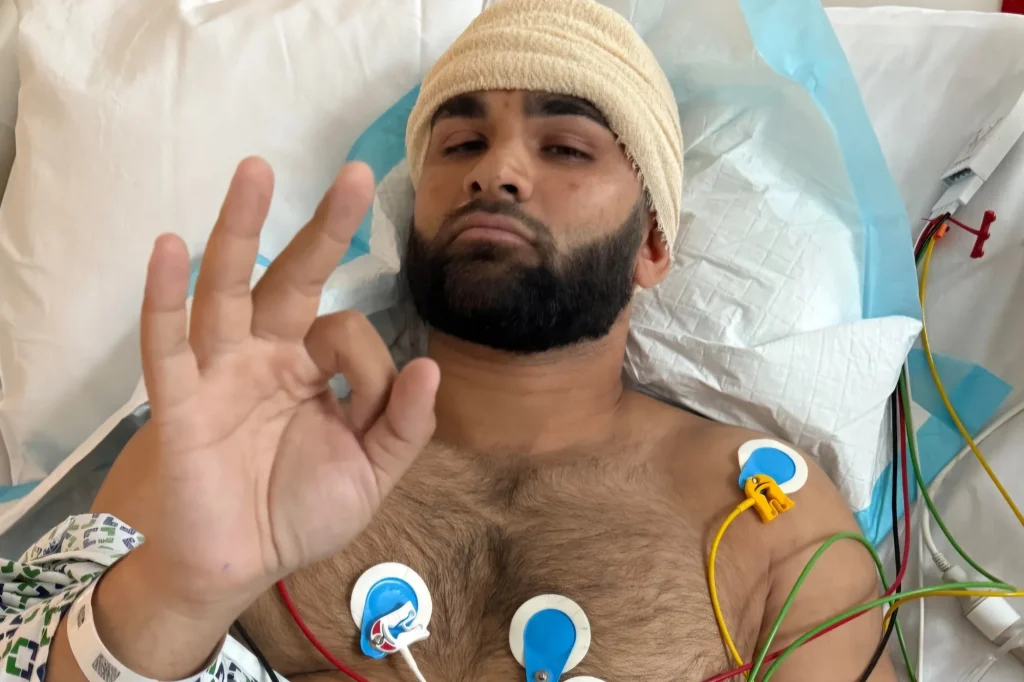
For Tom and Vicky, both forged in the grit of professional sports—Tom as a prop forward for clubs like Blackheath RFC, Vicky a trailblazing center who represented England 50 times—the diagnosis felt like a red card in overtime, unfair and abrupt. Rugby had been their meeting ground, a chance encounter at a mixed training session in 2018 that blossomed into dates at riverside pubs and shared dreams of coaching kids someday. Their wedding, postponed once for Vicky’s final international tour, had been a celebration of that bond: 120 guests in a sunlit London hall, vows exchanged under a floral arch, dances that left everyone breathless. The honeymoon in Sri Lanka was their reward—lazy mornings in hammocks, elephant safaris at dusk, nights where they talked endlessly about baby names and nursery colors. Returning home, they dove into life with renewed vigor: Tom transitioning to coaching at a local academy, Vicky balancing corporate gigs in sports marketing with charity work for women’s rugby. The seizure upended it all, thrusting them into a world of MRIs and oncology appointments, where “remission” is a whisper and “scanxiety” becomes a household word. “People see us smiling in photos and think we’re in denial,” Vicky says. “But we’re choosing joy where we can—because what’s the alternative? Letting it steal everything?”
That choice crystallized in their decision to pursue IVF, a bold step against the ticking clock. With Tom’s fertility potentially compromised by upcoming treatments—chemotherapy’s harsh toll on sperm counts is well-documented—they turned to egg freezing for Vicky and sperm banking for Tom, preserving what they could in frozen vials of hope. “If everything works out, he gets to be a father and experience that,” Vicky told the Daily Mail, her words a quiet manifesto. “And if it doesn’t, I have a little something of him left behind.” It’s a sentiment that echoes Tom’s own losses; he was just 12 when his father, a devoted coach, passed from cancer, leaving a void that rugby and family filled but never fully mended. “I turned out okay, didn’t I?” he jokes now, but the undercurrent is clear: fatherhood, however brief, would be his way of defying the tumor’s shadow, of etching his legacy in tiny hands and first steps. Critics online have called it selfish—”What if he doesn’t see the child grow up?”—but Vicky dismisses them with the fire of a player charging the line. “Anyone who has children doesn’t know what’s around the corner,” she counters. “We’re not naive; we’re human. And this feels right for us.” Fertility specialists at a Harley Street clinic have fast-tracked their consultations, counseling on the risks—IVF success rates hover around 30 percent per cycle for women Vicky’s age, dropping with time—but also the possibilities: embryo freezing, gestational carriers if needed, a patchwork path to parenthood.
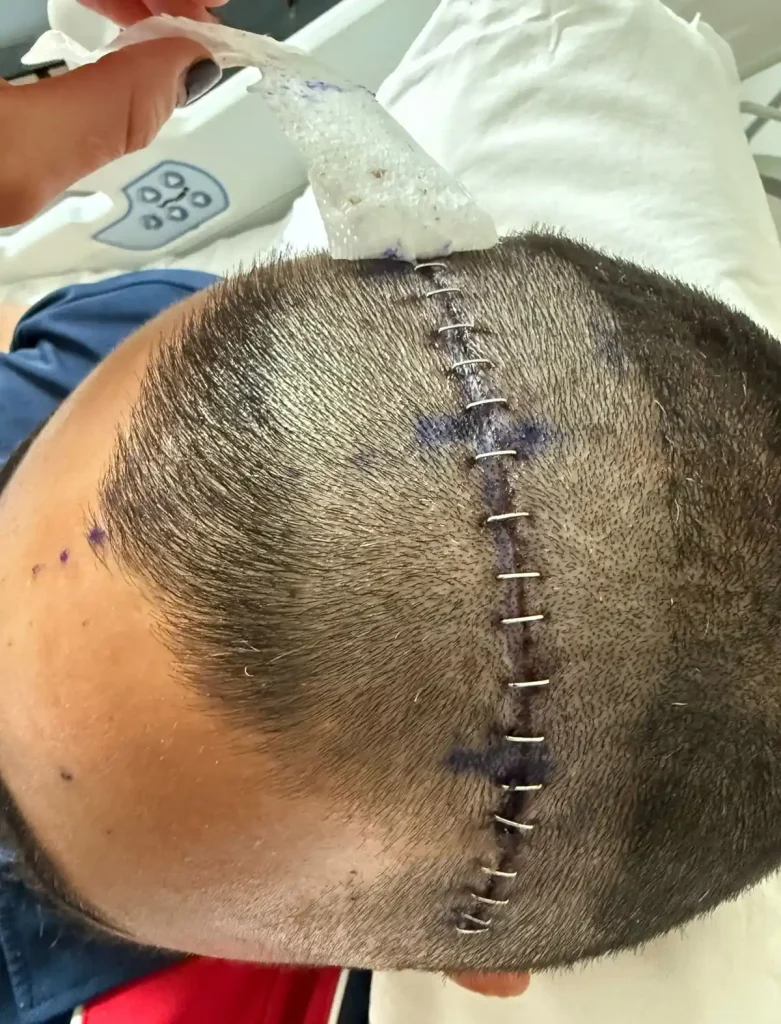
As winter’s chill settles over London, Tom and Vicky navigate treatment with the teamwork of two athletes in sync. Radiation sessions leave him fatigued, his once-unshakable energy dimmed by the precision beams targeting residual tumor cells, but he pushes through with walks along the Thames, where the river’s steady flow mirrors his determination. Chemo infusions follow, a cocktail of drugs that battles nausea with ginger tea and Vicky’s homemade bone broth, her presence a constant anchor. The clinical trial, enrolling him in June 2025, offers a glimmer of extension—immunotherapies that harness the body’s defenses against gliomas, with early data showing median survival stretching beyond the standard 15 months for grade 4 cases. “It’s not a guarantee,” Tom admits, “but it’s a shot. And I’ll take every one.” Friends from the rugby circuit rally round: barbecues turned fundraisers for Brain Tumour Research, where Tom and Vicky now serve as patrons; pickup games adapted to his pace, balls passed gently to avoid strain. Vicky, whose own career ended with a knee injury in 2020, channels her advocacy into speaking gigs, urging young women in sports to prioritize mental health amid physical demands. Together, they’ve transformed their flat into a sanctuary—walls lined with ultrasound dreams yet to come, a corkboard of trial milestones, the faint scent of lavender from diffusers easing the sterile edge of medical reality.
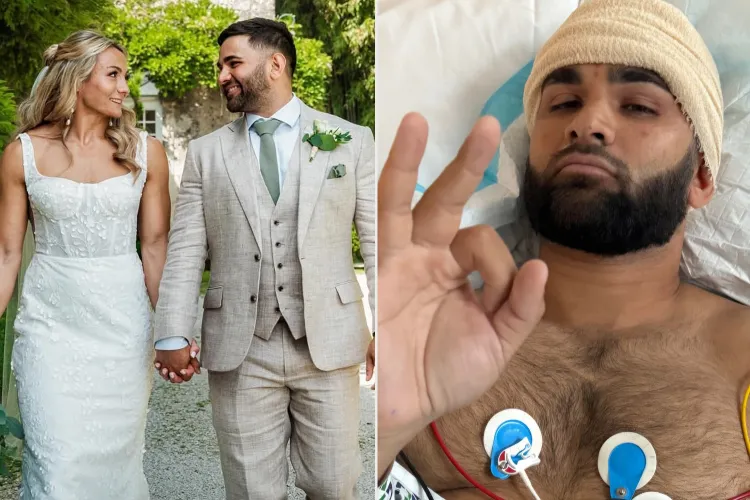
Brain tumors like Tom’s claim lives at an alarming rate—over 10,000 diagnoses annually in the UK alone, with glioblastomas boasting a five-year survival rate under 10 percent, according to Cancer Research UK. Yet stories like the Chapmans’ pierce the statistics, humanizing the fight and fueling calls for more funding. As patrons of Brain Tumour Research since their diagnosis, they’ve amplified the charity’s work, from lobbying Parliament for increased grants to sharing raw updates on social media that garner thousands of supportive messages. “It’s not just about us anymore,” Tom says. “If our story gets one more family to a scan sooner, or pushes for better trials, then the hard days mean something.” Vicky nods, her hand finding his across the kitchen table. “We’re building a team, even if it’s just the two of us for now.” Their evenings unfold in small rebellions: cooking tagines inspired by Sri Lanka, binge-watching rugby replays with commentary laced in dark humor, planning hypothetical family holidays to places Tom’s father never saw. The IVF journey looms large, consultations blending hope with hard truths—hormone protocols for Vicky, collection days for Tom before chemo clouds the waters. Success isn’t promised, but neither is surrender; in their resolve lies a quiet power, the kind that turns prognosis into possibility.
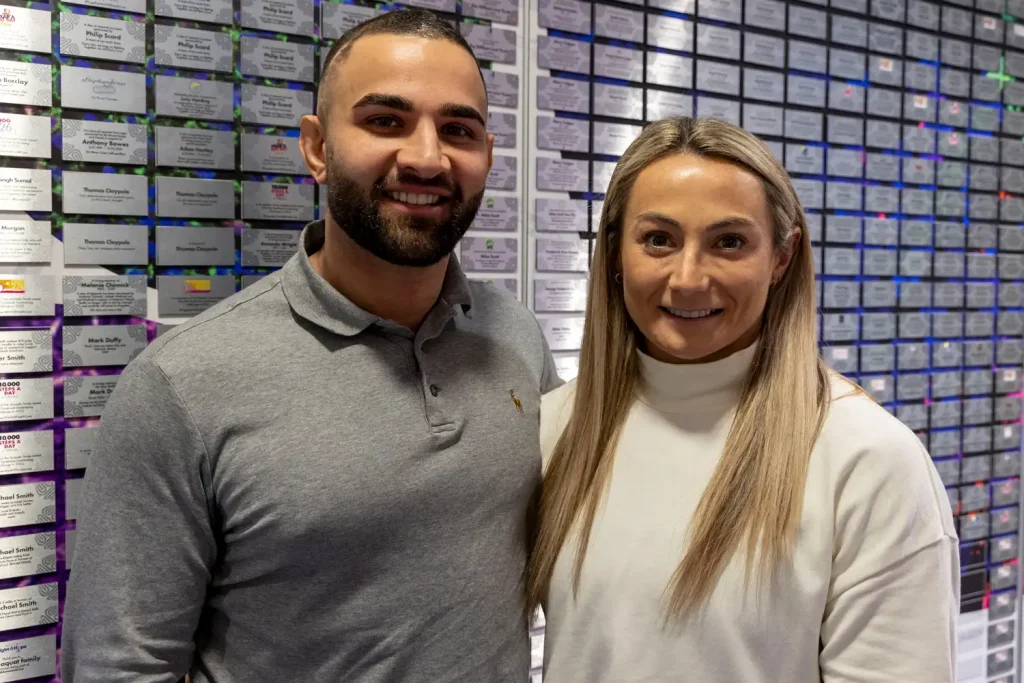
As the new year beckons, Tom and Vicky stand at a crossroads, their love a bulwark against uncertainty. Tom’s latest scan, in November 2025, showed stability—no growth, a fragile victory celebrated with champagne and quiet tears. The trial’s side effects test him—headaches that echo old seizures, fatigue that steals afternoons—but Vicky’s there, mapping routes around the rough patches like a tactician on the field. Messiah-like figures emerge in their circle: young players Tom mentors, absorbing his lessons on resilience; women Vicky inspires, trading stories of bodies pushed to limits and beyond. Fatherhood, that elusive goal, isn’t about eternity but essence—passing on the grit that carried Tom through 100 caps for Kent, the grace Vicky showed in World Cup glory. “I want him to know his dad was brave,” Tom says simply, eyes on the horizon. “Not perfect, but present.” Vicky, ever the optimist, envisions it vividly: a nursery in soft blues, lullabies hummed off-key, Tom’s voice narrating bedtime tales of scrums and scores. If biology bends to their will, great; if not, adoption whispers as a next chapter, another way to weave family from threads of fate.
In the end, Tom Chapman’s story isn’t one of defeat but defiance—a newlywed’s vow renewed in the face of five years, a rugby heart tackling the untackleable. With Vicky by his side, treatments charting an uncertain course, and dreams of tiny feet pattering through their home, they remind us that life’s fiercest games are played not for trophies, but for the indelible marks we leave. As snow dusts London’s rooftops, they step out hand in hand, breaths visible in the cold air, ready for whatever play comes next. Because in love’s unbreakable huddle, time isn’t the opponent—it’s the field they choose to run.