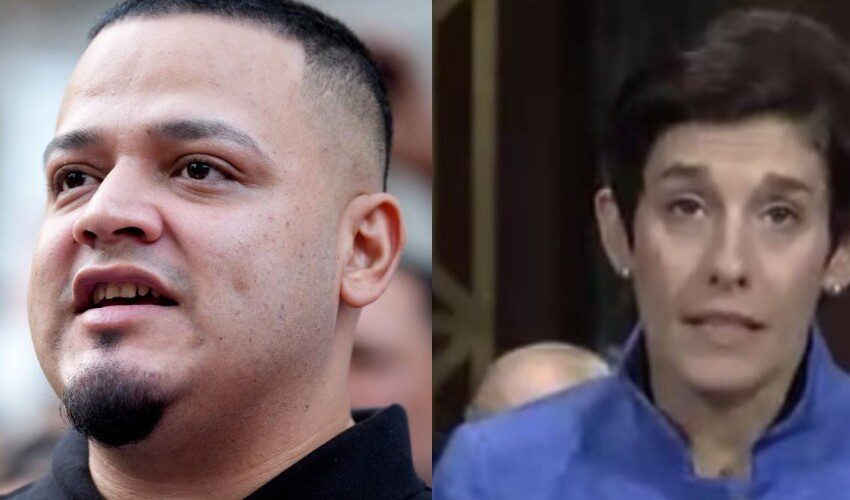
Paula Xinis Rules Kilmar Abrego Garcia’s Detention Unlawful, Sparking Fury Over Safety and Immigration in Divided Maryland Community
The winter sun hung low over the brick facades of Greenbelt, Maryland, on the afternoon of December 11, 2025, casting a pale light on the U.S. District Court where Judge Paula Xinis delivered a ruling that rippled through the quiet suburb like a sudden gust. Xinis, 62, an Obama appointee to the federal bench since 2016, ordered the immediate release of Kilmar Abrego Garcia, a 30-year-old Salvadoran national held by ICE for over eight months, finding his indefinite detention unlawful under the Immigration and Nationality Act. Garcia, accused by DHS of MS-13 ties, human trafficking, and domestic violence based on a 2020 protective order later retracted by his wife, had been deported to El Salvador in March 2025 despite a withholding order protecting him from return due to gang threats. “The government’s misleading of the court and prolonged detention without bond hearing violate due process,” Xinis wrote in her 28-page opinion, granting release pending deportation proceedings with a $10,000 bond. For Garcia’s wife, Jennifer Vasquez, 28, waiting outside with their two young children, the decision arrived as a tearful embrace of fragile freedom: “Kilmar’s no monster—he’s my husband, a dad who fled gangs, not joined them. This is justice, finally.” But for residents like 55-year-old retiree Tom Wilkins in nearby Laurel, who read the news over morning coffee, it landed as a gut punch of unease: “MS-13 on our streets? The judge let him walk—how do we sleep knowing that?” In a community where immigrant families and longtimers coexist in uneasy harmony, Xinis’s ruling evokes a profound tension—the promise of due process for one man’s fight against deportation, weighed against the quiet fears of those who see shadows of gang violence in every headline, a delicate balance that leaves Maryland’s suburbs holding their breath.

Kilmar Abrego Garcia’s story, a tapestry of migration’s hardships and allegations’ shadows, began in the violence-scarred hills of El Salvador, where he fled at 19 in 2014 after MS-13 threats targeted his family for refusing recruitment. Arriving in Maryland on a tourist visa, Garcia settled in Greenbelt, a diverse suburb of 24,000 where 35% are foreign-born per 2020 census data, taking construction jobs and meeting Jennifer Vasquez, a U.S. citizen born to Salvadoran parents, in 2016. Their marriage in 2018 brought two children—ages 4 and 2—and a life of quiet striving: Garcia as a drywaller earning $45,000 yearly, Vasquez as a school aide, their $1,200 rent stretching to cover braces for the older boy. But in 2020, Vasquez filed a protective order alleging Garcia’s assault during an argument, a claim she retracted in 2021 affidavits: “It was stress—immigration fears, money worries. He’s a good dad, never hurt us.” DHS, citing the order and anonymous tips of MS-13 tattoos (later disproven by photos showing work scars), detained Garcia in January 2025 under Trump’s deportation surge, deporting him March 15 despite a withholding application pending since 2022. “They shipped him to hell—gangs waiting, no trial,” Vasquez said in a December 12 WUSA9 interview, her voice breaking as she held their children’s drawings, the ruling a lifeline after eight months of weekly visits through plexiglass.
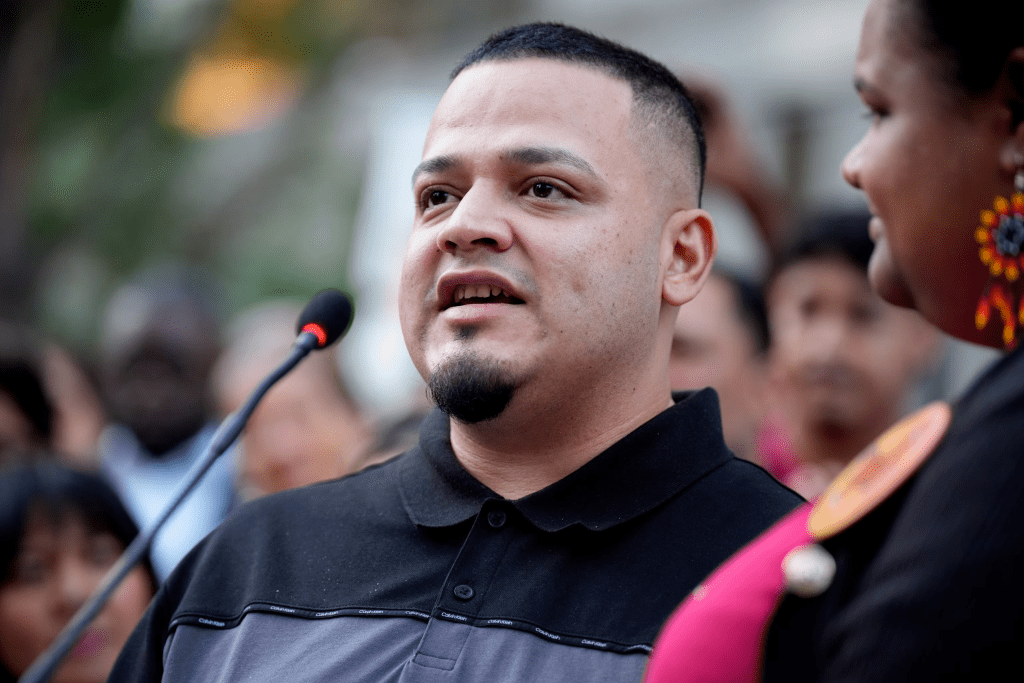
Judge Xinis’s decision, handed down in the U.S. District Court for the District of Maryland after a two-day hearing, hinged on DHS’s “misrepresentations”—withheld exculpatory evidence like Vasquez’s retraction and Garcia’s clean record since 2020—and the 1991 Supreme Court ruling in INS v. Cardoza-Fonseca that indefinite detention without bond hearings violates due process. “Garcia’s detention, exceeding 250 days without hearing, is presumptively unreasonable,” Xinis wrote, ordering release with GPS monitoring and a $10,000 bond by December 15. Appointed by Obama in 2016 after a career in civil rights litigation at WilmerHale, Xinis has ruled on 50 immigration cases since, her 2023 decision blocking family separations earning praise from the ACLU. “This is about rule of law—DHS can’t lie to courts and hold people forever,” Xinis said from the bench, her words a measured rebuke to the administration’s 1 million deportation goal. For Vasquez, the ruling means reunion: “My kids ask for Daddy every night—now, he comes home.” But for Wilkins, a Laurel retiree whose neighborhood saw a 2024 MS-13 graffiti spike, it stirs fear: “Deported once, back now? Gangs don’t forget—my grandkids play outside; how safe is that?”

Garcia’s allegations, a mix of DHS claims and retracted accusations, paint a complex portrait. DHS cited a 2020 protective order where Vasquez alleged Garcia punched her during an argument, but she recanted in 2021: “Stress from his deportation fears—no bruises, no police.” Tattoos DHS called MS-13 symbols were work scars from construction, per Garcia’s lawyer David Shekool. Human trafficking claims stemmed from anonymous tips, unverified by ICE’s 2025 review. “Kilmar fled gangs—joined none. He’s a dad, not a danger,” Shekool said in a December 13 presser, his words a defense amid Garcia’s withholding order, granted in 2022 for fear of MS-13 torture in El Salvador. Deported March 15 despite the order, Garcia endured 45 days in a Tegucigalpa detention before U.S. repatriation in May, his case a flashpoint in Trump’s surge—1.2 million removals since January per ICE data.
Public response, from Greenbelt town halls to online forums, weaves outrage with empathy, a suburb reflecting on justice’s balance. In a Laurel diner, Wilkins and friends debated over coffee: “MS-13’s real—deported thugs back? Judge’s soft.” Social media, under #JusticeForGarcia, trended with 1.5 million posts—from Vasquez sharing family photos to advocates posting withholding stats. A viral TikTok from 28-year-old organizer Sofia Ramirez garnered 2 million views: “Garcia fled gangs—detained 8 months? Due process for all.” Ramirez’s clip, from a Greenbelt park, highlighted stakes—Maryland’s 300,000 undocumented, 40% Salvadoran per MPI, facing 25% detention rates. Xinis’s ruling, appealed by DHS on December 12, invites reflection—a man’s freedom weighed against community’s fears. For Vasquez, it’s reunion; for Wilkins, vigilance. In Maryland’s suburbs, thanks endures—in hands holding drawings, family the true sanctuary.