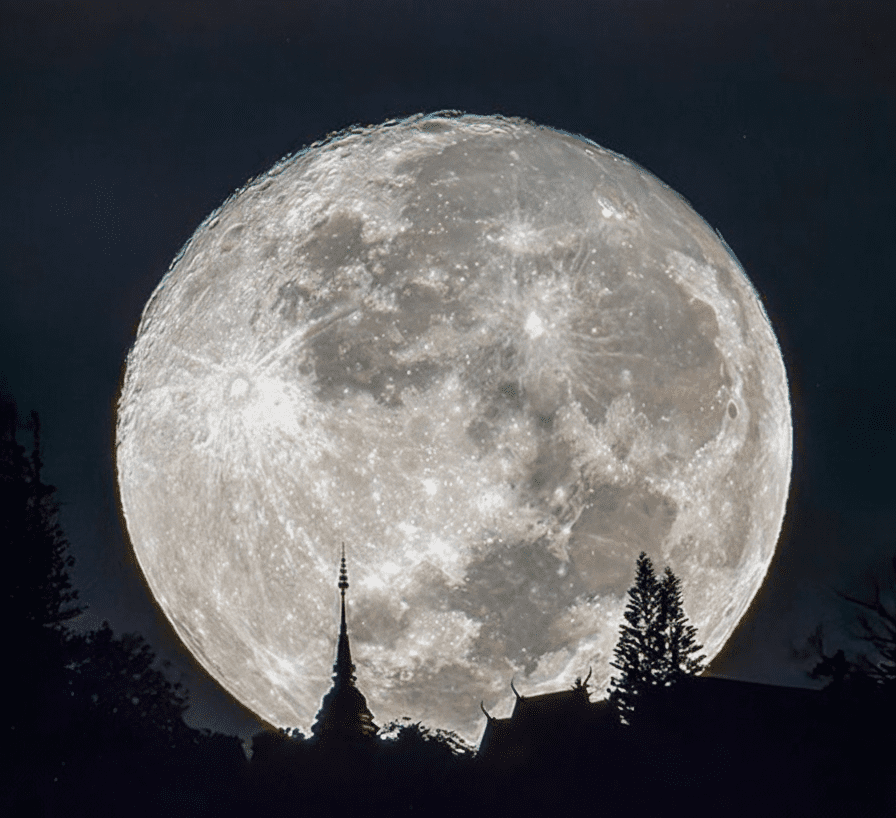
How to Watch October’s Rare Supermoon and When It Will Peak
There’s something about a supermoon that makes you stop, look up, and remember how small we all are under that vast, glowing sky. October’s supermoon, one of the brightest and closest of the year, is set to make the night feel almost magical — the kind of evening where you can actually see the world bathed in silver light. It’s the kind of natural beauty that doesn’t need filters, headlines, or fanfare. Just you, a clear horizon, and the moon rising a little larger than usual.
A supermoon happens when the full moon coincides with its closest approach to Earth in its orbit, making it appear slightly bigger and noticeably brighter than an average full moon. Scientists call this point perigee, but you don’t have to know the term to feel its impact. When you see it rise above rooftops or mountains, it looks almost close enough to touch. This October, that sight will be extra special — it’s one of the rare “Hunter’s Moon” supermoons, which traditionally marks the end of harvest season and the beginning of autumn’s colder embrace.
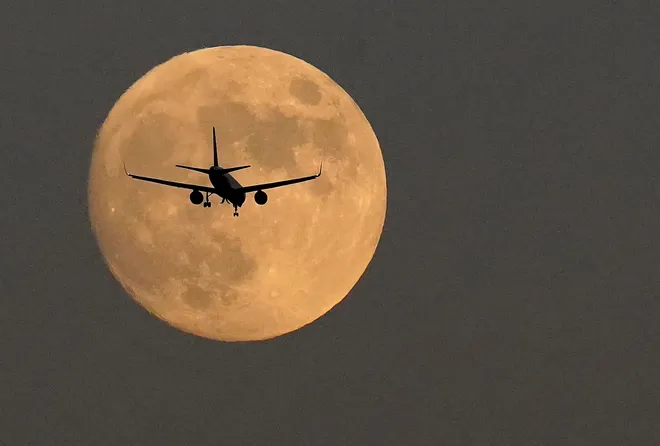
The supermoon will reach its peak brightness late on the night of October 17 and continue to shine brilliantly through the early hours of October 18. For skywatchers, the best time to look is just after moonrise when it hovers low on the horizon — that’s when it appears largest due to a visual illusion known as the “moon effect.” Whether you’re in a bustling city or a quiet countryside, step outside around sunset, face east, and let your eyes adjust. The glow might surprise you; it’s softer than daylight but strong enough to cast gentle shadows.
If you want to experience the supermoon in all its beauty, try to get away from bright streetlights or tall buildings. Parks, rooftops, and open fields offer the best views. No telescope or special equipment is needed — though a pair of binoculars will reveal incredible details, like craters and ridges etched across the lunar surface. And if the night happens to be clear, you might even catch the moon’s halo — a faint ring of light formed when its glow refracts through thin, icy clouds high in the atmosphere.
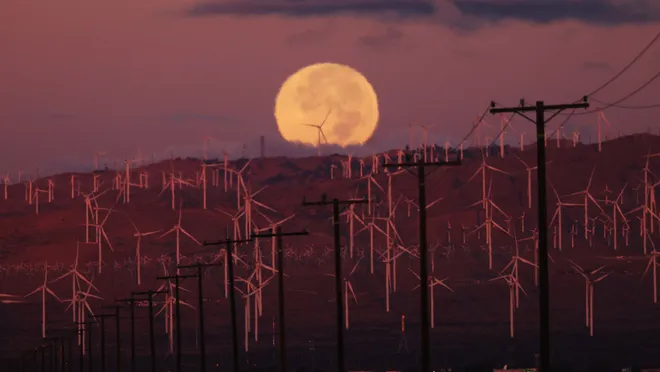
Astronomers note that supermoons aren’t as rare as eclipses, but they always leave a lasting impression. They’re a gentle reminder that even as the world rushes forward, some wonders remain timeless. Every culture has looked to the full moon with awe — from ancient farmers tracking the seasons to poets finding comfort in its glow. The October supermoon, shining close to Halloween, brings its own kind of mystery. Some people call it the “Blood Moon” or the “Frost Moon,” names that reflect the change in weather and the shift toward winter’s stillness.
There’s a quiet kind of connection that happens during nights like this. Families gather on porches, photographers head to hilltops, and even those who don’t usually notice the sky will stop scrolling and glance upward. The moon has that effect — it asks for nothing but attention and gives calm in return.
So when October’s rare supermoon rises, take a moment to see it for yourself. Step outside, breathe in the cool air, and let that bright, ancient light wash over you. You don’t need a perfect camera or a poetic caption. Just a quiet second to remember that the same moon lighting your street tonight has watched over every generation before you — and will shine just as brightly for every one to come.