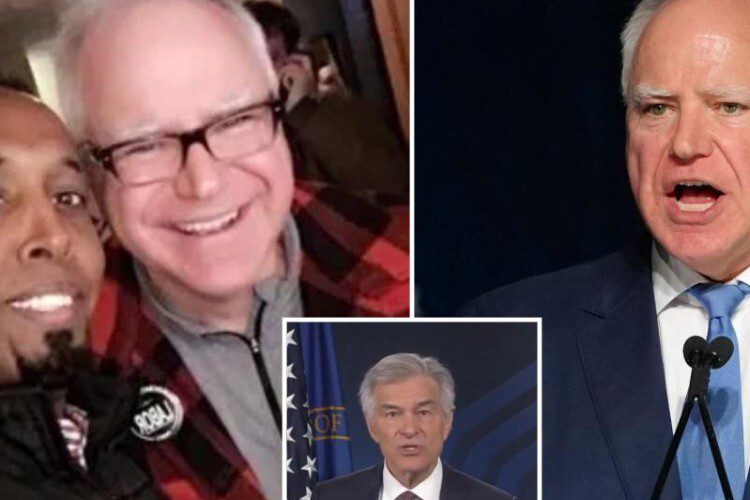
Amid $1 Billion Theft Allegations Tied to Somali Community, CMS Demands Action or Faces Funding Freeze
In the snow-dusted streets of a Minneapolis suburb, where the glow of holiday lights twinkles against the early winter dusk and the faint aroma of spiced tea drifts from apartment windows, 52-year-old single mother Aisha Hassan bundled her two young children into coats before heading to the local community center on the evening of December 7, 2025, her mind heavy with the day’s unsettling news. Hassan, a Somali immigrant who arrived in Minnesota in 2012 fleeing drought and unrest back home, had relied on Medicaid for her daughter’s asthma treatments and her own prenatal care during a recent pregnancy—a safety net that stretched thin but held firm through years of night shifts at a warehouse and English classes by day. As she locked the door behind her, her phone buzzed with an alert from a local news app: Centers for Medicare & Medicaid Services Administrator Dr. Mehmet Oz had issued a stark ultimatum to Governor Tim Walz, warning that Minnesota could lose billions in federal funding unless the state addressed a massive Medicaid fraud scheme allegedly stealing over $1 billion, much of it linked to bad actors in the Somali community. For Hassan, whose family of four depends on $650 monthly in benefits to cover copays and groceries, the words landed like a sudden frost—chilling the fragile warmth of stability she’d worked so hard to build. “Medicaid isn’t luxury; it’s life for my kids— if they cut it over fraud I had no part in, how do we survive?” she said softly during a December 8 support group meeting, her hands clasped around a Styrofoam cup as other mothers nodded, their faces etched with the shared quiet fear of systems that promise help but deliver hurdles. In a state where immigrant families like Hassan’s contribute $1 billion annually to the economy through taxes and labor, per a 2023 University of Minnesota study, Oz’s demand isn’t just policy; it’s a poignant crossroads, where the pursuit of accountability risks rippling pain through communities already navigating the delicate balance of belonging and burden.
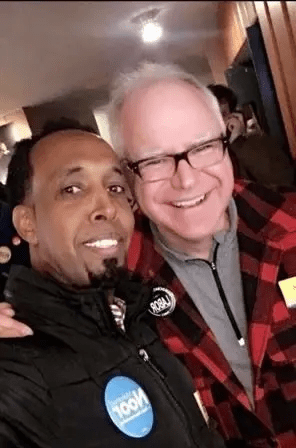
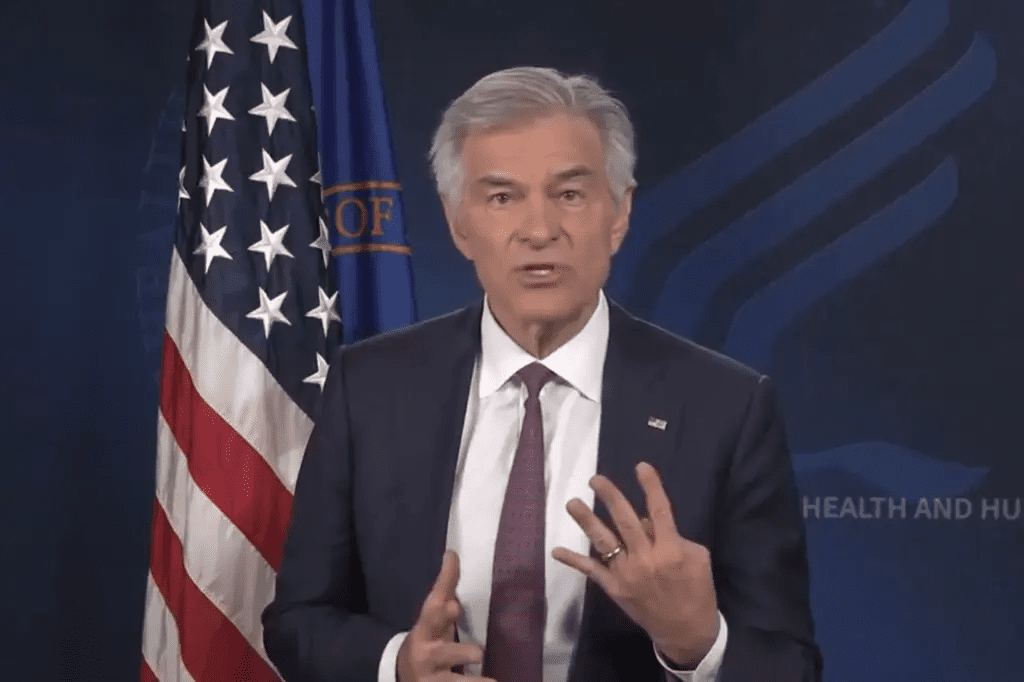
Oz’s letter to Walz, dated December 7 and made public that afternoon during a CMS briefing in Baltimore, framed the issue as a crisis of unprecedented scale, with over $1 billion allegedly siphoned from Minnesota’s Medicaid program—the nation’s third-largest, serving 1.3 million residents at a cost of $10 billion yearly, 60% federal funds. “Our staff at CMS told me they’ve never seen anything like this in Medicaid—and everyone from Gov. Tim Walz on down needs to be investigated, because they’ve been asleep at the wheel,” Oz said, his voice sharp but measured as he detailed the fraud’s scope during the presser, flanked by charts showing spending spikes in two programs: Housing Stabilization Services, projected at $2.6 million annually but exploding to over $100 million in 2024, and Early Intensive Developmental and Behavioral Intervention, growing from $3 million in 2018 to nearly $400 million in 2023. Oz, a cardiothoracic surgeon turned TV host and Trump’s 2025 CMS pick confirmed in a 52-48 Senate vote on April 15, attributed the surge to “identity politics,” claiming scammers used stolen funds for luxury cars, overseas real estate, and kickbacks to parents enrolling kids in fake autism centers, with some possibly diverted to Somalia’s al-Shabab terrorist group. “So why didn’t Walz stop them? That’s simple: because he went all-in on identity politics,” Oz added, his words echoing a White House push for accountability amid 2025’s $1.2 trillion Medicaid budget.
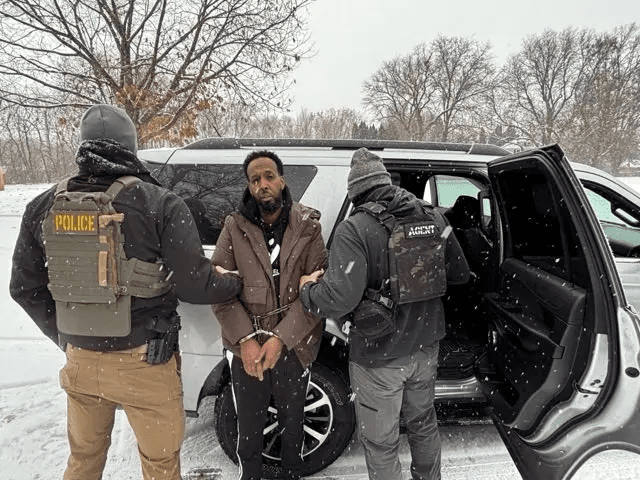
The fraud allegations, investigated since 2023 by the U.S. Attorney’s Office for Minnesota and the HHS Office of Inspector General, center on a network of 70 individuals accused of inflating claims for behavioral health and housing services, submitting bogus enrollments for “ghost” clients and laundering reimbursements through shell companies. U.S. Attorney Andrew Luger, appointed in 2022 by President Joe Biden, announced 22 convictions in November 2025, with sentences from probation to 10 years and $45 million recovered in forfeitures. “This was theft from the vulnerable—the children who need these services most,” Luger said at a St. Paul press conference on November 20, his tone grave as he outlined the scheme’s reach: 50 entities, many Somali-owned, claiming meals and therapies never provided. CMS, in Oz’s letter, demanded weekly anti-fraud updates, a six-month freeze on high-risk provider enrollments, verification of all current providers, and a corrective action plan—or risk halting the federal share, potentially $6 billion annually. Oz noted CMS had already shut down the worst program and frozen enrollments, but Walz’s office, reached for comment December 7, offered no response, leaving the 60-day clock ticking amid the holiday hush.
Hassan’s support group, held in a Cedar-Riverside community center fragrant with cardamom and fresh-baked injera, gathered 25 women that December 8 evening, their conversation turning somber as they passed around Oz’s letter printed on newsprint. Hassan, a warehouse picker whose $18-an-hour job covers rent but not extras, relies on Medicaid for her 4-year-old’s speech therapy after a 2023 diagnosis. “My boy’s words are coming slow—without these sessions, what chance does he have?” she asked, her voice trembling as the group nodded, sharing stories of canceled appointments from provider pullouts. The center, run by the Somali American Community Center, has seen 20% of clients drop services since the probe, fearing audits or stigma. “We didn’t steal—we survived,” said one mother, her hands clasped as tears fell, the room’s warmth a fragile shield against the chill outside. The group’s facilitator, 40-year-old social worker Leyla Osman, who fled Somalia at 12, sees the fraud as a betrayal but the cutoff as collective punishment. “One bad apple doesn’t spoil the orchard—let’s root out the rot without uprooting the trees,” Osman said, her words a gentle call for balance in a community contributing $1 billion to Minnesota’s economy through taxes and businesses, per a 2023 state study.
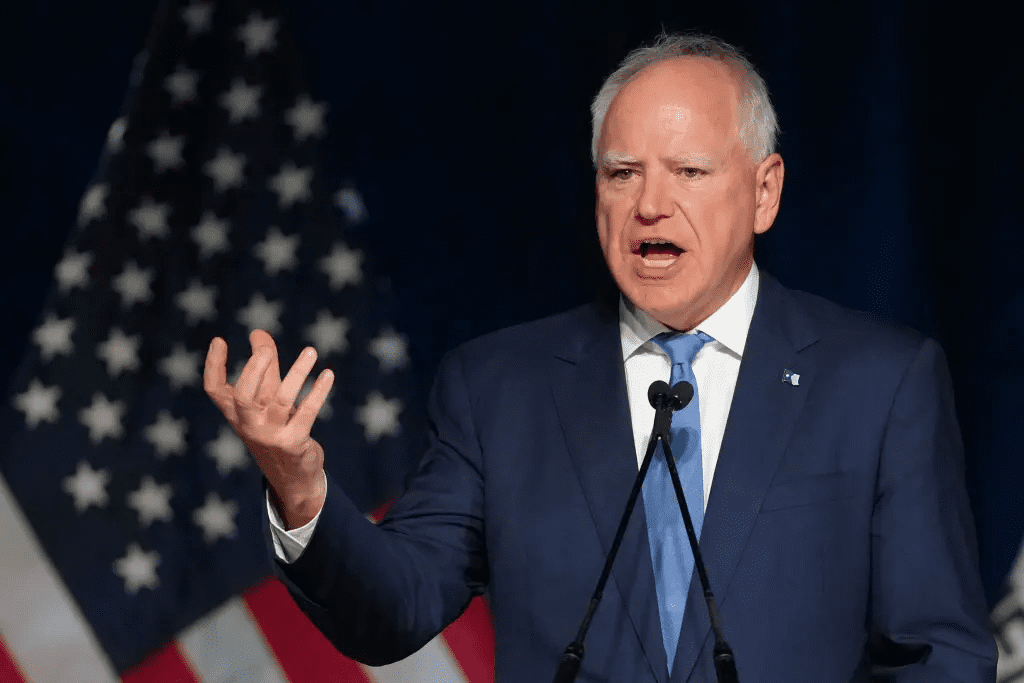
Walz, the Democratic governor whose folksy style and National Guard background won him 52% in 2022, has defended Medicaid expansions as lifelines, enrolling 200,000 more residents since 2019 through the Affordable Care Act. “Minnesota’s program works because it’s inclusive—fraud anywhere is unacceptable, and we’re committed to rooting it out,” Walz said in a December 8 radio address from the Governor’s Residence, his voice warm as he outlined new audits for 500 providers and a task force with HHS. Walz’s administration, facing a $3.7 billion surplus but $6 billion in Medicaid costs, has recovered $20 million since 2023 through internal probes, but Oz’s demand escalates the stakes, potentially triggering a 2026 special session if funds freeze. Luger’s office, cooperating with CMS, has convicted 22 in the scheme, with trials for 48 more set for spring 2026, restitution orders totaling $150 million. “Justice serves everyone—perpetrators face consequences, victims get restitution,” Luger said, his focus on recovery a bridge to healing.
The human face of the fraud emerges in stories like that of 35-year-old daycare operator Safiya Ahmed, who pleaded guilty in October 2025 to inflating enrollments for $500,000 in CACFP funds, her sentence of probation and $200,000 restitution a heavy load on a family of six. Ahmed, a mother who started her center in 2018 to serve Somali kids, wept in court: “I needed the money for my own babies— I see now it hurt others.” Her case, one of 50 shell entities in the probe, highlights pressures: Minnesota’s Somali diaspora, 80,000 strong since 1990, faces 25% poverty rates per 2024 census data, with childcare costs 40% above national averages. For Hassan, distributing coats that evening, the fallout means tighter budgets: “We audit everything now—every snack counted twice.” Hassan’s group, 25 women from East Africa, meets weekly to share resources, their resilience a quiet counter to the scandal’s stain.
Public discourse, a blend of concern and calls for care, filled Minnesota’s airwaves and apps. On X, Oz’s briefing clip drew 1.9 million views, replies from locals: “Hold the guilty—don’t guilt the good.” A December 9 Star Tribune poll showed 61% supporting fraud probes, but 67% opposing community blame, with 72% of Somali Minnesotans favoring dialogue. In Cedar-Riverside mosques, Imam Omar Suleiman preached stewardship: “Guard the trust—for every misstep wounds the giver and given.” Suleiman’s December 10 sermon, attended by 300, focused on rebuilding: “Fraud’s sting yields stronger safeguards.”
As Minnesota’s winter deepens, Oz’s warning lingers as a call for collaboration. For Ahmed in court, Hassan folding coats, and Osman in her center, it’s a moment of mending—a gentle step toward systems where help reaches those who need it, one verified claim at a time.