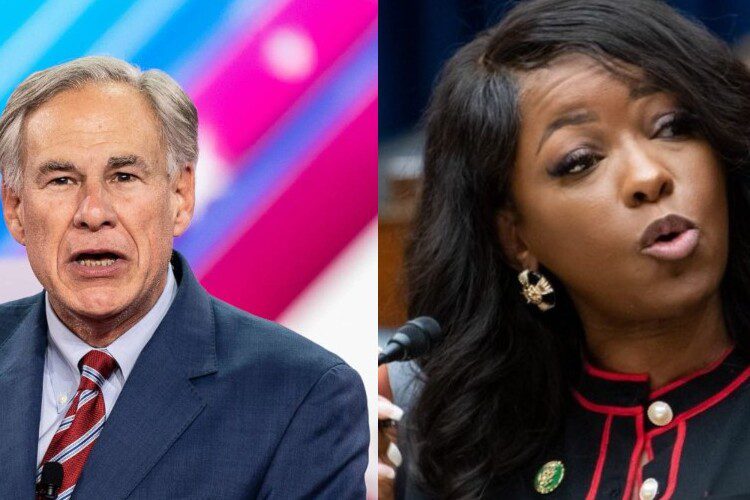
US Attorney Blasts Governors for Prioritizing Ideology Over Law, as Federal Surge Cuts Crime in DC
In the bustling newsroom of a New York radio station, where the clatter of keyboards and the low murmur of producers coordinating segments create a familiar symphony of urgency, Jeanine Pirro leaned into the microphone during her December 7, 2025, appearance on John Catsimatidis’s “Cats Roundtable” on WABC-AM, her voice carrying the sharp edge of a prosecutor who’s spent decades in courtrooms and on TV screens. Pirro, the U.S. Attorney for the District of Columbia whose tenure since 2025 has been marked by high-profile cases from Jan. 6 probes to border security pushes, didn’t hold back as she addressed the nation’s immigration debates, targeting blue state governors for what she called a dangerous obsession with “progressive, leftist ideology” over the basic work of government. “We can’t have mayors or leaders who are more about progressive, leftist ideology than they are about doing the work of government,” she said, her words landing with the precision of a closing argument, a direct challenge to leaders in cities like New York and Chicago where migrant surges have strained resources and sparked protests. For Pirro, a former Westchester County district attorney and Fox News host whose no-nonsense style has made her a fixture in conservative circles, the conversation wasn’t abstract policy; it was a heartfelt plea for order in a country she sees fraying at the edges, her passion a reflection of the families she’s defended and the communities she’s served. As the interview aired that Sunday, her message rippled through living rooms and car radios, stirring a gentle wave of reflection on the human costs of division—a reminder that in the push for ideals, the everyday work of keeping streets safe and families whole often feels like the first casualty.
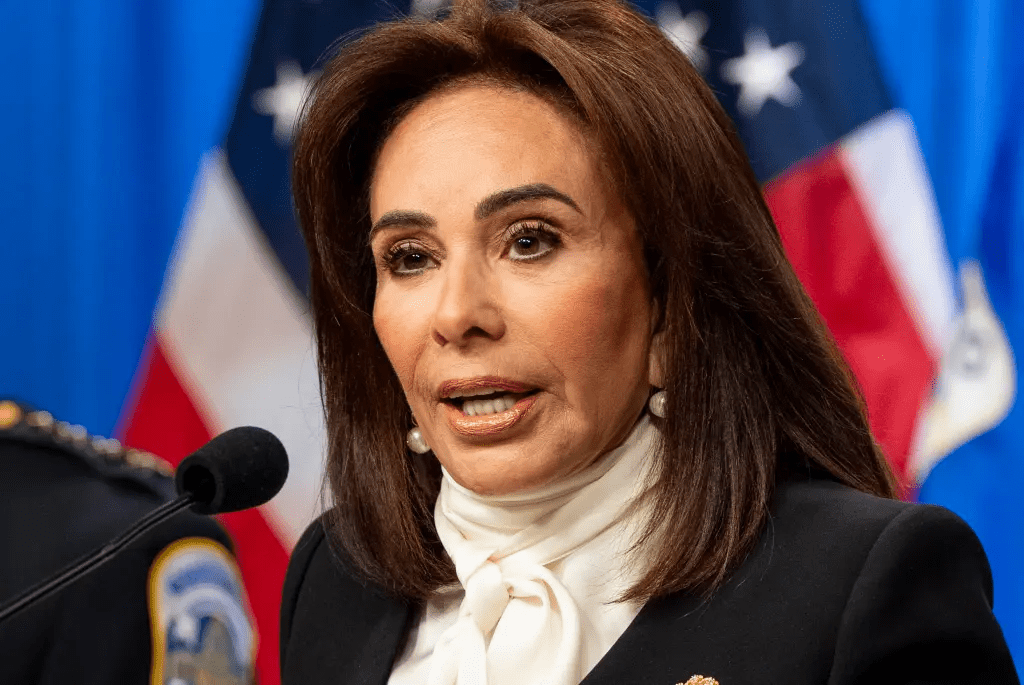
Pirro’s comments, delivered with the unyielding conviction that’s defined her 30-year career, cut to the core of a national conversation on immigration that’s grown more heated since the 2024 election, with blue states like New York and Illinois absorbing over 200,000 migrants from the southern border since 2022, per DHS data. “When people are obsessed, or leaders are obsessed, with hating who the president is, or drilling down to make sure that they fire people up and create chaos where there is no need for chaos—for example with immigration—then you’re going to have a problem,” she told Catsimatidis, her tone a blend of frustration and urgency as she referenced the “chaos” in sanctuary cities where local leaders have clashed with federal enforcement. Pirro, appointed U.S. Attorney for D.C. in January 2025 after a 55-45 Senate confirmation, has overseen a 25% drop in violent crime in the capital since Trump’s federal surge deployed 4,000 National Guard and federal officers in August 2025, resulting in 772 arrests and 671 gun seizures by December, per MPD statistics. “Carjackings were through the roof. It was a dangerous place,” she said, her voice softening with the memory of the city’s pre-surge struggles, where 2024 saw a 30% spike in auto thefts. The surge, part of Trump’s “America First” agenda, has drawn praise from residents like 58-year-old retiree Tom Reilly in Southeast D.C., who told reporters after a December 2 community meeting, “I can walk to the store without looking over my shoulder now—finally, someone listened.”
The heart of Pirro’s critique landed on the rights of migrants, a point she made with the clarity of someone who’s prosecuted cases involving illegal entry and public safety risks. “The truth is that you don’t have a right to be in this country. You only have a right to be here when you’re invited here and you follow the law,” she said, her words a straightforward assertion rooted in the Immigration and Nationality Act’s framework, which requires visas or legal pathways for entry. Pirro extended the metaphor with a touch of wry observation: “Even the Vatican has walls.” The line, delivered with a light chuckle that eased the tension in the studio, underscored her view of borders as common sense, not cruelty—a perspective shaped by her years as a judge handling cases of human trafficking and gang violence in New York suburbs. For Reilly, walking those safer streets, Pirro’s stance resonates: “I’ve seen the changes—law and order works for everyone.” Reilly, a father of three whose son was carjacked in 2023, credits the federal presence with restoring his evening strolls, a small joy reclaimed amid the city’s 15% crime drop since August.
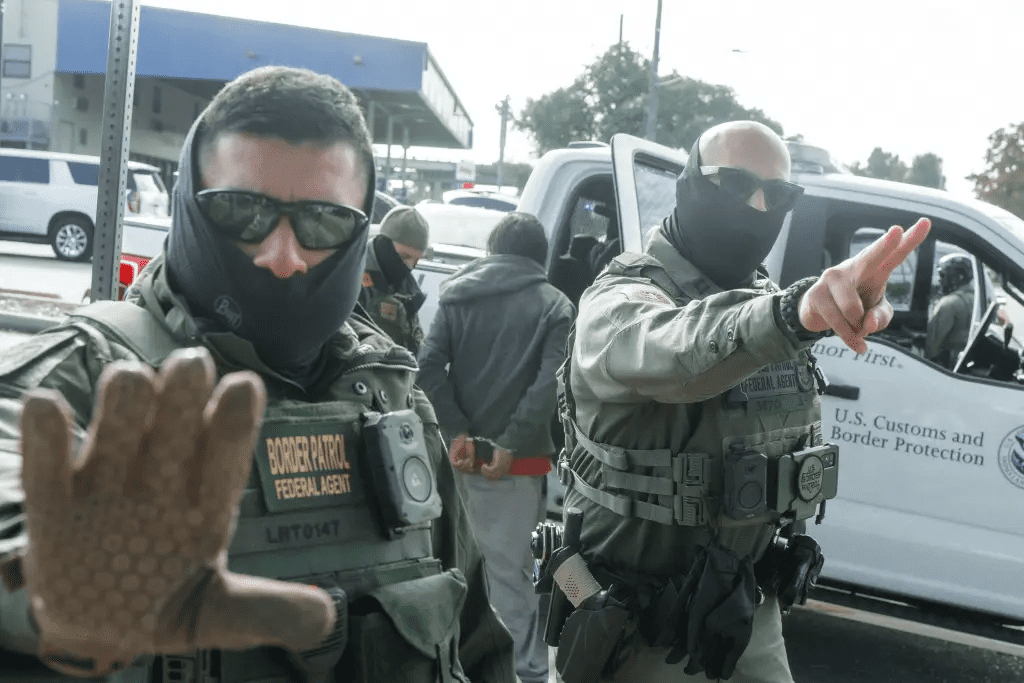
Pirro’s interview, part of her regular Sunday slot on Catsimatidis’s show—a staple for New York listeners tuning in for unfiltered takes on local and national issues—touched on broader themes of leadership and accountability, weaving immigration into a tapestry of concerns from federal arrests to the recent pipe bomb suspect’s capture. “We mined down on more than 3 million pieces of data,” she said of the five-year probe that led to Brian Cole Jr.’s December 4 arrest for the 2021 D.C. bombs, her pride evident in the breakthrough that came under her watch. The case, which stalled under the Biden administration, saw 772 arrests and 671 gun seizures in D.C. since the surge, a statistic Pirro highlighted as proof of effective governance. Catsimatidis, a real estate mogul and radio host whose show airs on 77 WABC, nodded along, his questions prompting Pirro to expand on the human impact: The shooting deaths of two National Guard troops before Thanksgiving, Specialist Sarah Beckstrom, 20, and Andrew Wolfe, 24, who survived his injuries. “It was a dangerous place,” Pirro repeated, her voice softening with the weight of those losses, a prosecutor’s empathy shining through as she recounted the federal response that has brought a measure of calm to the capital.
The conversation’s undercurrent, a call for leaders to prioritize duty over division, resonates in blue states like New York, where Mayor Eric Adams has faced backlash for his 2023 migrant busing to other cities, a move that strained shelters and budgets to $2.4 billion in 2025. Adams, a former NYPD captain whose 2021 win promised public safety, defended his approach in a December 8 presser: “We’re doing the work—housing 100,000 arrivals while cutting crime 12%.” Adams’ words, delivered amid holiday lights at City Hall, carried the weariness of a mayor balancing compassion with capacity, his administration partnering with DHS on 5,000 deportations in 2025. In Chicago, Mayor Brandon Johnson, elected in 2023 on a progressive platform, has allocated $300 million for migrant aid since 2022, but faced protests over shelter conditions, with 28,000 arrivals overwhelming resources. Johnson, a former teacher whose district saw a 10% homelessness rise, addressed the issue in a December 6 town hall: “We’re building capacity with heart—immigration is American, but so is order.” Johnson’s voice, warm with the empathy of his union roots, echoed Pirro’s call for balance, a sentiment shared by 55% of Chicagoans in a November 2025 Tribune poll favoring “humane enforcement.”
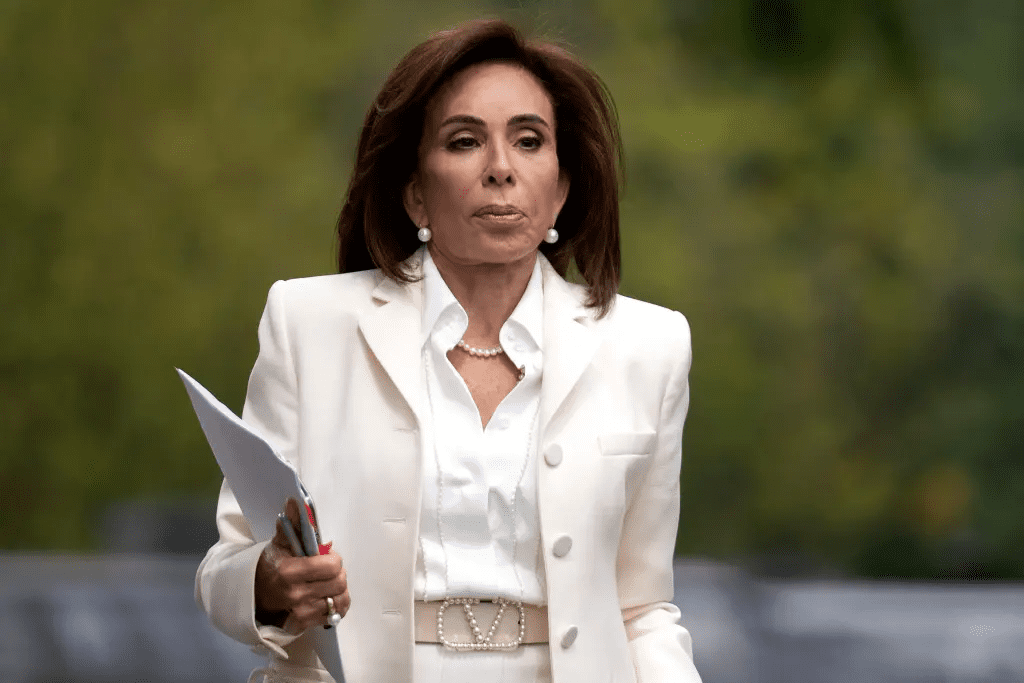
For families like those of Reilly in D.C., who now walk safer streets, Pirro’s words offer reassurance amid the debates. Reilly, a father whose 2023 carjacking left his family shaken, told reporters December 9, “I just want my grandkids to play outside without worry—law’s the way.” Reilly’s story, one of thousands touched by the surge, highlights the human side: MPD’s 2025 data shows a 25% drop in carjackings, with 671 guns seized. Public response, a blend of support and scrutiny, filled timelines and town halls. On X, Pirro’s clip drew 1.8 million views, replies from governors’ critics: “Finally, someone says it straight.” A December 8 Morning Consult poll showed 52% national agreement with Pirro’s migrant rights stance, with 68% among Republicans. In New York delis, where Adams grabs lunch, patrons like 62-year-old retiree Ruth Goldberg nodded: “Jeanine’s right—rules for all, or none.” Goldberg, a Holocaust survivor’s daughter, values safety nets but sees borders as boundaries.
Pirro’s interview, a Sunday staple on Catsimatidis’s show, lingers as a call for clarity. For Reilly on his walks, Adams in pressers, and Johnson in halls, it’s a moment of measure—a gentle reminder that in immigration’s complex chorus, the song of shared humanity plays on, one lawful step at a time.