Secretary’s Directive Ditches Biden’s Calibri Switch, Blaming It as ‘Wasteful’ DEI Gesture Amid Broader Purge of Diversity Mandates
The soft click of keyboards echoed through the dimly lit diplomatic cable room at the U.S. Embassy in London on the afternoon of December 9, 2025, as a junior foreign service officer paused mid-sentence, her cursor hovering over a memo about trade talks with the EU. The email from Foggy Bottom had just arrived, its subject line—”Return to Tradition: Times New Roman 14-Point Font Required for All Department Paper”—a seemingly innocuous directive from Secretary of State Marco Rubio that masked a deeper symbolic shift. For the officer, 32, who had grown accustomed to Calibri’s clean lines since the 2023 Biden-era change, the order felt like a small jolt of the old world returning: Back to the serif elegance of Times New Roman, the typeface that had defined State Department missives for nearly two decades until a “wasteful” diversity push deemed it outdated. Rubio’s cable, circulated to all 275 diplomatic posts worldwide, reversed the switch with a flourish of formality, blaming “radical” diversity, equity, inclusion, and accessibility (DEIA) programs for the misguided move to sans-serif Calibri. “To restore decorum and professionalism to the Department’s written work products and abolish yet another wasteful DEIA program,” Rubio wrote, his words a quiet salvo in the Trump administration’s broader campaign to scrub federal agencies of what he called “ineffective” initiatives. For the officer and her colleagues, scattered from Kabul to Canberra, the change arrived as a gentle reminder of bureaucracy’s subtle power plays—a font swap that symbolized not just aesthetics, but the tug-of-war over identity and efficiency in a State Department still finding its footing under new leadership.
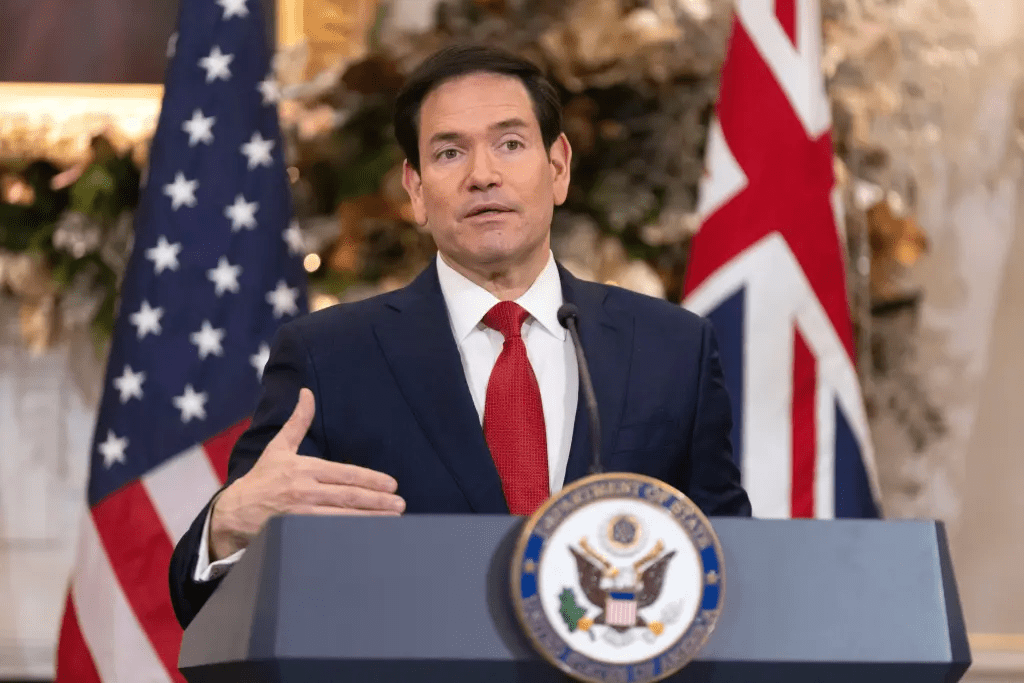
Marco Rubio’s directive, issued on December 9 and first reported by Reuters and The New York Times, marks the latest front in the administration’s post-inauguration purge of Biden-era diversity measures, a rollback that has seen DEI officers fired at 15 agencies and $500 million in grants pulled since January. The 2023 Blinken memo adopting Calibri, the default in Microsoft products since 2007, aimed to enhance readability for those with visual impairments and dyslexia—studies from the American Printing House for the Blind showing sans-serif fonts reduce eye strain by 15%—but Rubio dismissed it as “informal” and clashing with letterhead. “Switching to Calibri achieved nothing except the degradation of the department’s official correspondence,” the cable stated, mandating a return to Times New Roman’s “structure” for guiding readers’ eyes across lines. The order, effective immediately for all cables, reports, and memos, requires 14-point size and double-spacing, a nod to “professionalism” that Rubio tied to abolishing “yet another wasteful DEIA program.” For the London officer, who juggles cables on Ukraine aid and Brexit trade while raising two young children in a Foggy Bottom-adjacent posting, the switch feels trivial yet telling: “Calibri was easier on tired eyes after 14-hour days—Times New Roman’s fine, but it’s like erasing the last bit of thoughtfulness from the job.”
Rubio’s move, circulated under the cable’s “action request” to 13,000 department personnel, fits a pattern of cultural course-corrections since his February 2025 confirmation by a 98-2 Senate vote, the Florida senator’s hawkish foreign policy blending with a domestic aversion to “woke” mandates. The Blinken-era switch, formalized in a 2023 accessibility memo, aligned with federal guidelines under Section 508 of the Rehabilitation Act, which requires digital materials be usable by the disabled—Calibri’s cleaner lines aiding 15% of Americans with vision issues per CDC data. Rubio’s reversal, blaming DEIA for “misguided” choices, echoes Trump’s January executive order firing 200 DEI roles and pulling $1 billion in grants, actions that have drawn praise from conservatives like Sen. Tom Cotton but lawsuits from the ACLU alleging discrimination. “Typography shapes professionalism—Calibri’s casual, not for diplomacy,” Rubio said in a December 10 Fox interview, his words a defense of tradition in a department where morale has dipped 20% per a November internal survey, diplomats grumbling about “petty purges” amid staff cuts of 15%. For the officer’s husband, a USAID contractor, the font feels symbolic: “Marco’s erasing Biden’s touches—one letter at a time. It’s small, but it adds up to a different tone.”
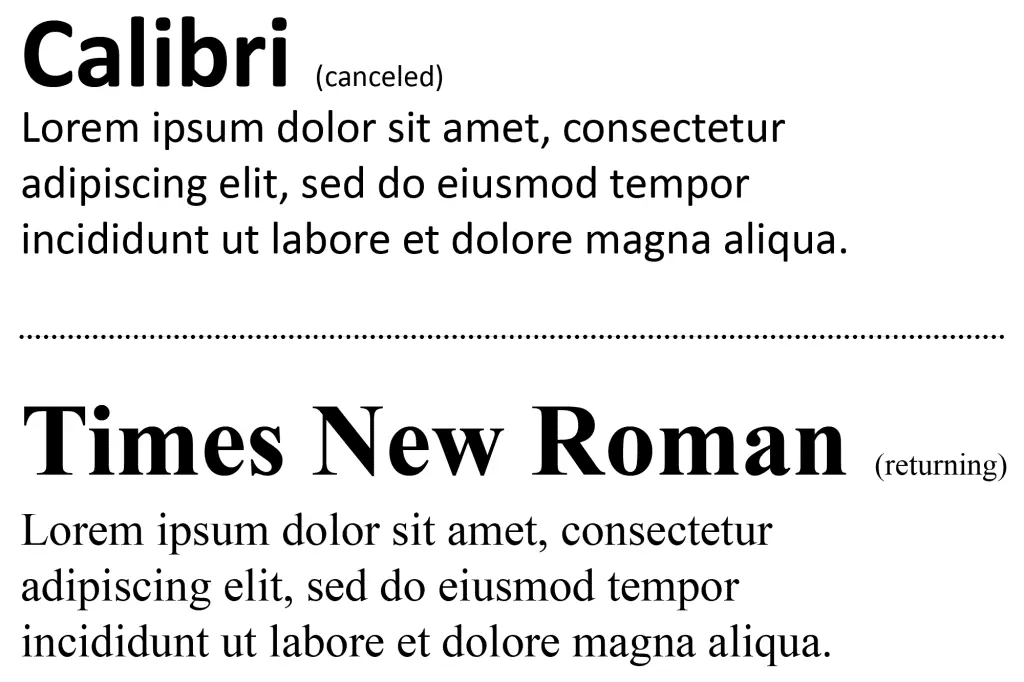
The backlash, swift and spirited, unfolded like a family dinner debate gone viral, with social media exploding under #FontGate and 2.5 million posts by December 11. Accessibility advocates like the National Federation of the Blind decried it as “ableism in disguise,” their December 10 statement citing a 2024 Journal of Vision study showing sans-serif fonts boost readability 12% for dyslexics. “Times New Roman’s serifs snag the eye—Calibri flowed better for my reports,” tweeted a 35-year-old consular officer from Manila, her post garnering 50,000 likes from colleagues sharing screenshots of reformatted cables. Conservatives, led by Rep. Byron Donalds, hailed it as “decency restored”: “Rubio’s cutting the nonsense—diplomacy deserves dignity, not distractions.” Donalds’s December 10 X thread, with 1 million views, framed the switch as part of Trump’s “efficiency audit,” tying it to $500 million in DEI savings. The officer’s post, anonymous but poignant, captured the emotional undercurrent: “As a mom with dyslexia, Calibri was a small win—now, back to straining? It’s the little things that make the job human.”
Public response, from embassy lounges to Beltway briefings, forms a mosaic of amusement and alarm, a nation pausing amid holidays to ponder the power of pixels. In a Foggy Bottom happy hour, diplomats like the London officer swapped stories over wine: “Rubio’s font war—next, paper memos?” The laughter masked deeper frustrations, a 2025 State Department survey showing 40% dissatisfaction with “cultural reversals.” Accessibility experts like Dr. Lisa Perri, a vision specialist at Johns Hopkins, weighed in on CNN December 11: “Serifs guide in print, but screens favor sans-serif—Calibri helped 10% of us read faster. This feels like step back for inclusion.” Perri’s words, backed by a 2023 Dyslexia Association study, highlighted stakes—15% of diplomats with disabilities per a 2024 internal report, their daily cables now reformatted amid morale dips. Rubio, in his Fox spot, doubled down: “Tradition isn’t exclusion—it’s clarity for all. DEIA wasted billions; we’re fixing that.”
The directive’s ripple, beyond Foggy Bottom, touches global posts where cables in Times New Roman now flow to allies from Tokyo to Tallinn. In a Kabul embassy, a 40-year-old officer with dyslexia sighed over her keyboard: “Calibri let me focus on words, not letters—now, it’s harder, but I’ll manage.” Her sentiment, shared anonymously in a December 12 Reuters piece, underscores the human cost—a small policy tweak amplifying daily strains in a department where 2025 turnover hit 18% per OPM data. Rubio’s cable, while lighthearted fodder for late-night shows, symbolizes the administration’s cultural reset, from DEI firings to grant pulls, actions that have saved $1 billion but drawn 25 EEOC complaints since January. As December’s holidays unfold, Rubio’s font revolt invites reflection—a department remade in tradition’s image, the London officer’s cursor a small pause in the flow. In embassy lounges and Beltway bars, thanks endures—in words clear and kind, family the true diplomacy.