Melissa Joan Hart Reveals Why the 1999 Drive Me Crazy Premiere Became ‘One of the Worst Days of My Life’ After Body Shaming and Being Fired Twice in a Single Night
Melissa Joan Hart has lived most of her life in front of cameras, long before social media turned every public moment into an instant headline. She grew up on sets, on magazine covers, and eventually became one of the most recognizable young stars of the 1990s. But some stories stay quiet for decades, tucked away behind practiced smiles and red-carpet poses. This week, Hart finally revisited one of those long-buried memories — a night that photos captured forever, even though the truth behind them never made it into the frame.
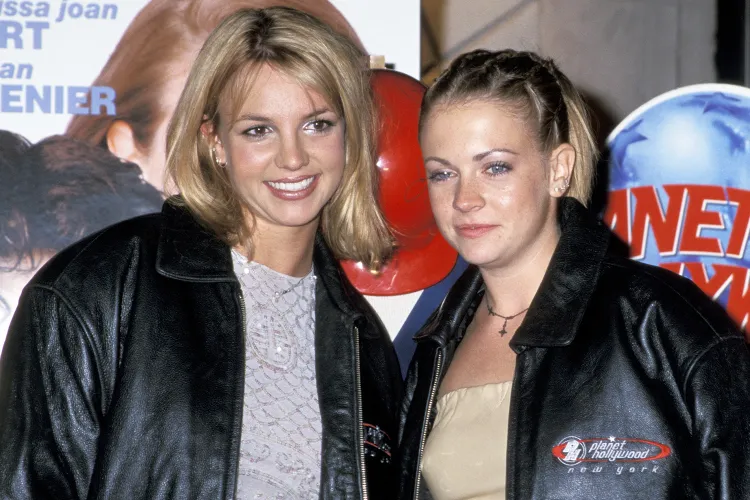
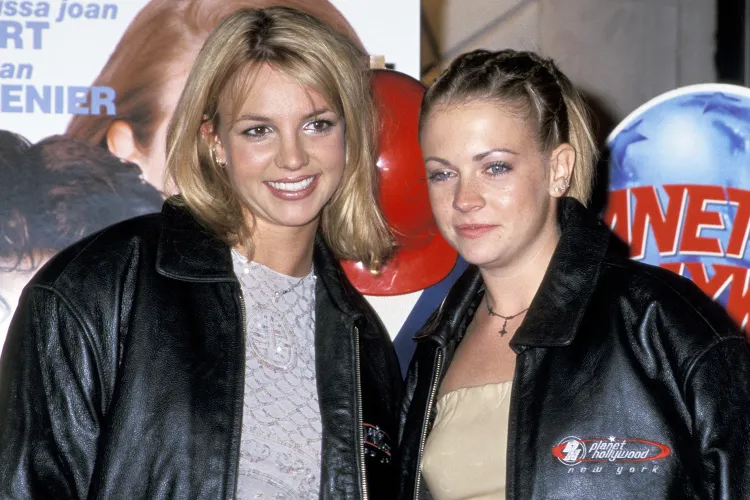
The 1999 premiere of Drive Me Crazy should have been a celebration. The film marked a major moment in Hart’s career, arriving at the height of her fame on Sabrina the Teenage Witch and paired with a chart-topping soundtrack led by Britney Spears’ hit remix of “(You Drive Me) Crazy.” The two young stars appeared side by side that night, both wearing coordinated leather jackets in one set of images and later posing together on the red carpet, smiling under the bright Hollywood lights. Fans remember it as an iconic moment from the late ’90s — two of the era’s most beloved young celebrities beaming for photographers.
But the photos told only one version of the story. The other version belonged to Hart alone. And it was far more painful.
“If you look at my eyes, they’re very bloodshot because this was what I would consider, if you read my book, one of the worst days of my life at the time,” Hart recently explained, finally acknowledging the emotional reality behind the images that resurfaced online. What looks like exhaustion in the old photographs is actually the residue of shock, embarrassment, and heartbreak — the aftermath of a night that spiraled in ways she never expected.
That evening, Hart was dealing with several devastating moments at once. By her own account, she had just been fired from a major endorsement job, body shamed by professionals she trusted, and then abruptly let go from another opportunity — all before facing a sea of flashing cameras. She was only 23 at the time. And in that fragile moment, she had to stand there smiling, pretending that everything was fine.
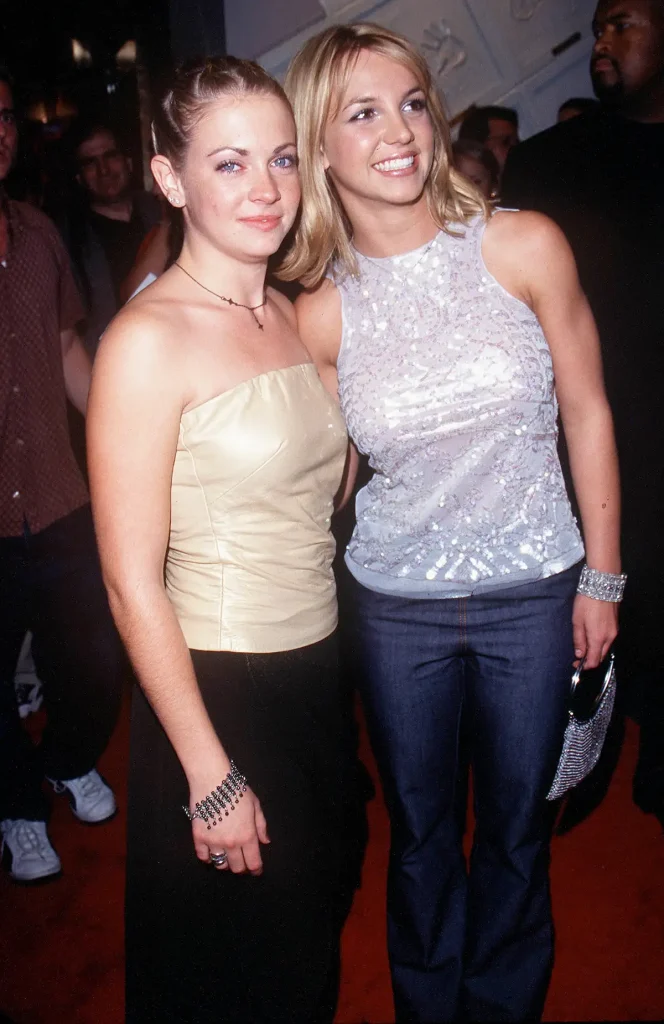
People who saw the photos back then had no context. They saw a young actress whose eyes looked tired. They saw Britney Spears, glowing beside her. The entertainment world spun forward, and no one imagined the emotional weight Hart was carrying as she stood in that uncomfortable spotlight.
In her recollection, the string of events that unfolded that night cut deeper than the typical pressures of celebrity life. It wasn’t just bad timing or a rough production day; it was a collision of personal insecurity, public scrutiny, and unexpected professional betrayal. As she explained, the criticism she received behind closed doors — particularly about her body — would stay with her long after the cameras stopped flashing.
Body shaming in Hollywood was not discussed openly at the time the way it is today. Stars, especially young women, were expected to silently endure comments about their appearance, weight, and clothing choices. Hart was no exception. What she experienced before stepping onto that red carpet was a stark reminder of how easily the glamorous image of the industry could turn cruel. While fans saw her as confident and successful, she was being held to unrealistic expectations that chipped away at her sense of self.
The emotional fallout from that night extended far beyond the premiere itself. Hart has said that she felt humiliated and blindsided, unsure how to process what had happened. She was abruptly fired from a role she was excited about, told she didn’t look the way producers wanted, and then pushed to appear cheerful at one of the most public events of her career. Anyone would crumble under that kind of pressure, but Hart had to remain composed — because that was what the industry demanded of her.
As she recounts the incident now, more than two decades later, the pain in her voice is unmistakable. This isn’t a story she tells for shock value or attention. Instead, it reflects the quiet suffering that so many young performers experienced during an era before social support, body positivity, and mental-health awareness became part of mainstream conversation. Her honesty strikes a chord, especially among fans who grew up watching her on television. Seeing her vulnerability now makes those old photos feel different — almost haunting.
Hart and Spears, both young women thrust into early fame, shared the screen that night, but they were navigating very different emotional landscapes. Spears was rising into global superstardom, carrying her own pressures and expectations. Hart was fighting private battles no one around her truly saw. The contrast between their appearances in the images — Spears glowing with confidence and Hart clearly struggling — now feels like a powerful reminder that celebrity photos rarely tell the full story.
Hart’s decision to speak openly about that night also reflects how much has changed since 1999. Today, conversations about body image, mental health, and the emotional toll of fame are more accepted. Stars are encouraged to speak up when they feel mistreated, and fans respond with empathy rather than judgment. But back then, silence was often the default — and suffering alone was part of the job.
For Hart, the long delay in sharing her story suggests a complicated healing process. Some wounds don’t fade simply because time passes. The memory of being body shamed and fired at a moment when she should have felt proud is not something she could easily shrug off. Revisiting it publicly required strength and distance — the kind that only comes from years of reflection.
Her emotional honesty also speaks to a broader truth about the entertainment industry. Behind every red-carpet photograph is a human being with insecurities, frustrations, and private hurts. What audiences see is the polished outcome of hours of preparation, careful styling, and media training. What they don’t see are the moments of rejection, disappointment, and vulnerability. Hart’s story bridges that gap, reminding readers that fame doesn’t protect anyone from pain.
The resurgence of these images, and her explanation behind them, has sparked renewed discussions about how the industry treated — and still treats — young actresses. Many fans commented that they always wondered why she looked upset in those photos but never imagined the reasons could be so painful. Others have praised her for being open now, saying her honesty helps redefine how we look at celebrity culture from that era.
In sharing this story, Hart invites the public to re-examine the narratives surrounding young women in Hollywood during the 1990s and early 2000s. Many stars who rose during that time have recently spoken out about what they endured behind the scenes — pressures to change their bodies, rejections disguised as “industry standards,” and expectations to maintain perfect composure no matter what emotional turmoil they were experiencing. Hart’s account adds another layer to that collective memory, offering a candid portrait of how early fame can carry lifelong emotional consequences.
The night of the Drive Me Crazy premiere was supposed to symbolize a milestone achievement in her career — a celebration of her work and her growing influence in Hollywood. Instead, it became a moment she wanted to forget. Yet, ironically, the photographs from that night became widely circulated, living on in fan pages, nostalgia posts, and entertainment archives. Little did anyone know that those glossy images captured the aftermath of a deeply painful experience.
It is that contrast — the smiling façade versus the turmoil beneath — that makes her story resonate so powerfully today. Hart’s willingness to peel back the curtain and reveal what she endured transforms a decades-old red-carpet appearance into something far more meaningful. It is no longer just a moment in pop-culture history; it is a testament to resilience, survival, and the importance of speaking one’s truth, even years later.
As she reflects on that chapter of her life, Hart appears grounded, self-aware, and far more compassionate toward her younger self. She acknowledges that the industry has changed but also recognizes that many of the pressures she faced still exist in new forms. Her message encourages others — whether in Hollywood or outside it — to recognize their own worth, especially in moments when they feel diminished by someone else’s judgment.
The resurfaced photos, once a reminder of an unpleasant night, now carry new meaning. They symbolize a turning point in Hart’s personal journey, a moment she can finally confront with honesty and emotional clarity. Her story reminds readers that the past doesn’t disappear simply because it went unspoken; sometimes, it waits patiently for the right moment to be shared.
Through her vulnerability, Hart offers a voice to anyone who has ever felt unseen or misunderstood during one of the hardest days of their life. And in doing so, she turns what was once her private pain into something profoundly human — a reminder that every person, even a beloved star who spent her childhood on-screen, has moments that shape them in ways the world never sees.