After Patriotic Painting Drew ‘Vandalism’ Probe, High Schooler Claims Rights Violation in Emotional Stand for Expression
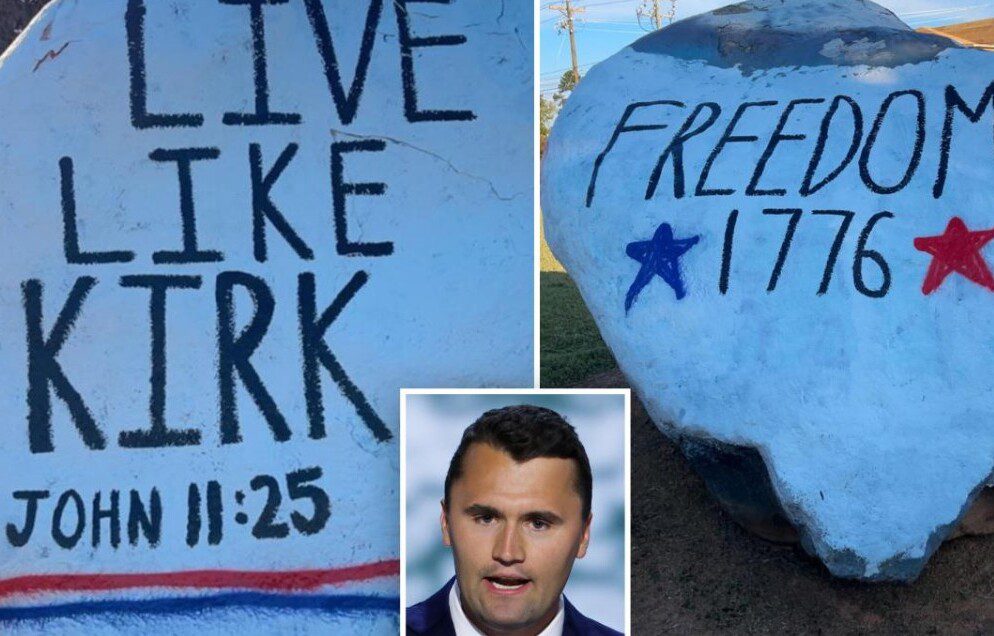
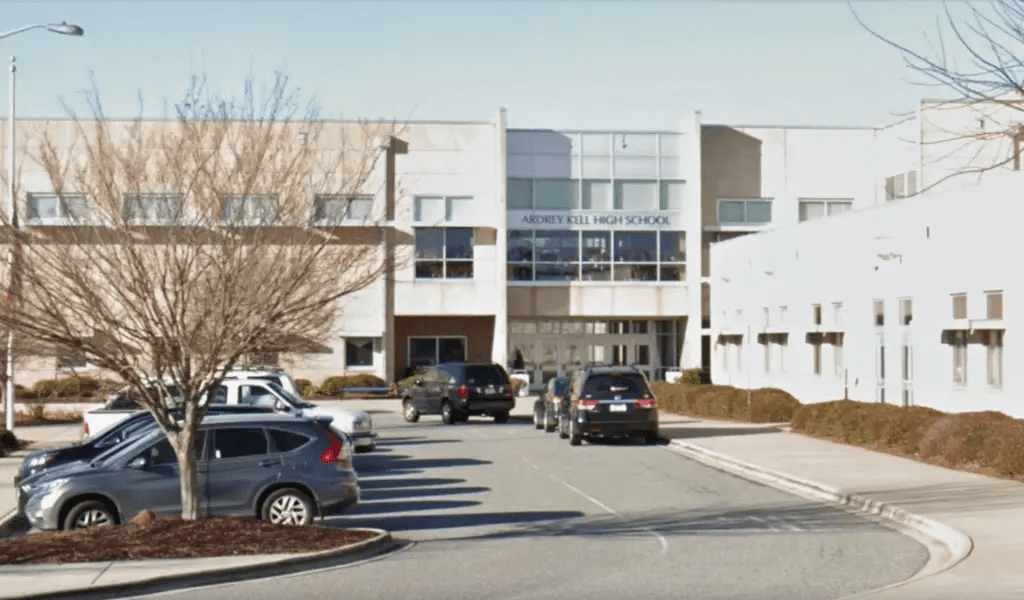
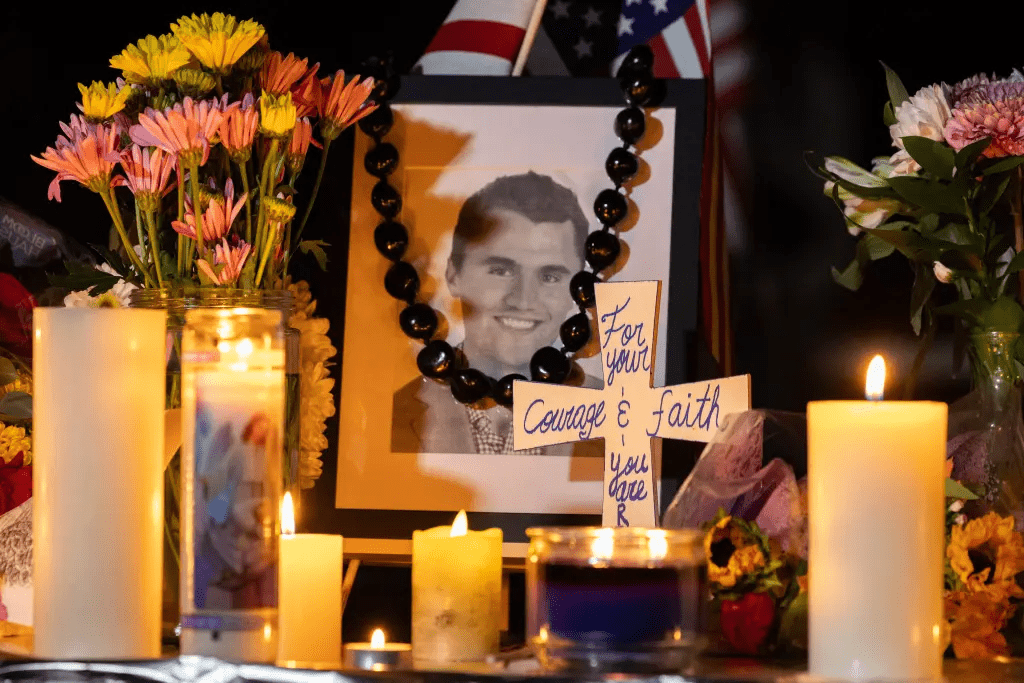
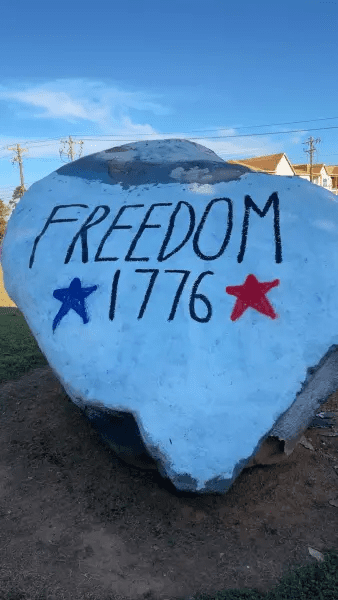
In the sun-dappled quad of Ardrey Kell High School in south Charlotte, where the spirit rock—a 4-foot boulder etched with generations of student messages from homecoming cheers to class mottos—stands as a weathered sentinel of teenage dreams and dramas, 17-year-old Gabby Stout knelt with a can of spray paint on the afternoon of September 13, 2025, her hands steady as she outlined a heart and American flag alongside the words “Freedom 1776” and “Live Like Kirk—John 11:25.” Stout, a junior with a quiet determination forged from church youth groups and volunteer shifts at a local food bank, had sought permission from a school staff member earlier that day, envisioning the tribute as a heartfelt nod to Charlie Kirk, the conservative activist and Turning Point USA founder whose assassination at a Utah Valley University speech on September 10 had shaken her world. For Stout, a straight-A student from a family of educators who’d instilled in her the value of standing for beliefs, the rock was more than concrete; it was a canvas for conviction, a place to honor Kirk’s calls for faith and patriotism that resonated with her own journey of questioning in a divided time. But within hours, school officials painted over the message, and the next day, Principal Brian McKenzie sent a district-wide email labeling it “unauthorized vandalism” and announcing a criminal investigation, words that landed like a cold splash on Stout’s resolve. The fallout, culminating in a December 8 federal lawsuit against Charlotte-Mecklenburg Schools, isn’t just about paint; it’s a poignant stand for a teenager’s voice in a system meant to nurture it, a story that tugs at the heart of what it means to express oneself when the lines between tribute and trespass blur so easily.
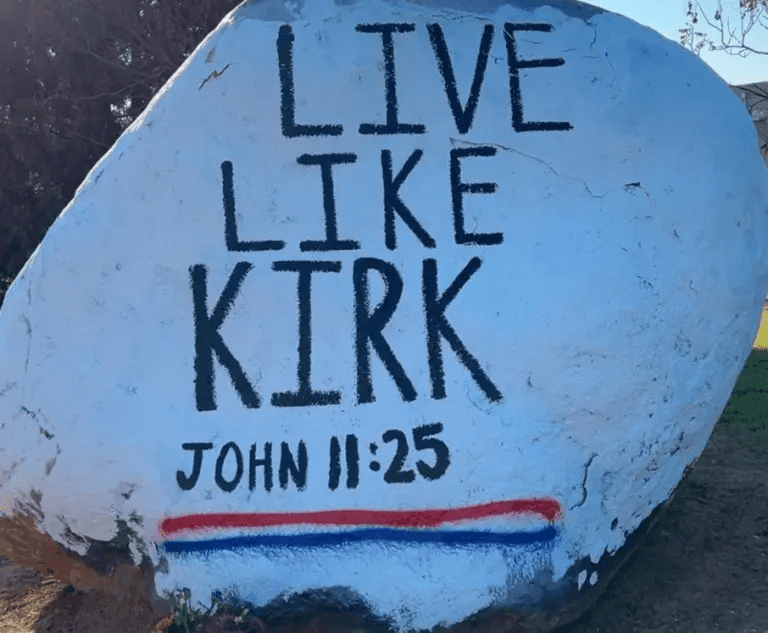
The spirit rock, a tradition at Ardrey Kell since the 1990s, has long been a rite of passage for students—a blank slate for celebrations like prom themes or condolences after tragedies, with school guidelines allowing messages that are “positive and school-appropriate.” Stout, 17, a member of the school’s Bible club and volunteer at her church’s soup kitchen, had texted a staff member that morning seeking approval for the Kirk tribute, inspired by his advocacy for religious freedom and the Bible verse John 11:25—”Jesus said to her, ‘I am the resurrection and the life.'” The reply, a thumbs-up emoji, gave her the green light, and with two friends, she spent 30 minutes painting the rock in the afternoon sun, adding their first initials for a personal touch. “It felt right—Charlie stood for faith in tough times, and I wanted to honor that,” Stout said in a December 9 interview from her family’s living room in Ballantyne, her voice soft but sure as she held a photo of the rock before it was covered. The message, completed by 3 p.m., drew smiles from passing students, but by 5 p.m., maintenance staff had whitewashed it, citing an “unauthorized” nature. The next morning, September 14, McKenzie’s email to 2,500 families called it “vandalism and a violation of the student code of conduct,” stating law enforcement had been contacted for an investigation—a line that sent Stout into a spiral of anxiety, her phone buzzing with worried texts from friends.
Stout’s mother, Kristen, 48, a high school counselor at a nearby district, arrived home that evening to find her daughter in tears, the email’s words a gut punch in their cozy kitchen where family dinners usually revolved around homework and hockey scores. “Gabby got permission—she’s a rule-follower, always has been,” Kristen said in the lawsuit filed December 8 in U.S. District Court for the Western District of North Carolina, her voice trembling with the protective instinct of a parent watching her child’s innocence collide with institutional overreach. The Stout family, lifelong Charlotte residents with roots in the city’s growing evangelical community, had raised Gabby to value expression through service—volunteering at food banks and leading youth group discussions on faith in public life. Kirk, the 31-year-old activist whose Turning Point USA mobilized 1 million college students for conservative causes before his September 10 assassination at a Utah rally, had spoken at Ardrey Kell in 2023, his message of “living boldly for beliefs” sticking with Stout amid her own questions about identity in a diverse school where 40% of students are students of color, per CMS data. The painting, a heart, flag, and verse, was her way of processing the loss, a personal act in a public space. But McKenzie’s email, read aloud by Gabby at dinner, turned joy to fear: Pulled from class September 15 for questioning, she wrote a statement under an assistant principal’s gaze, her phone logs reviewed without Miranda warnings, the experience leaving her “shaking and scared,” per the complaint.
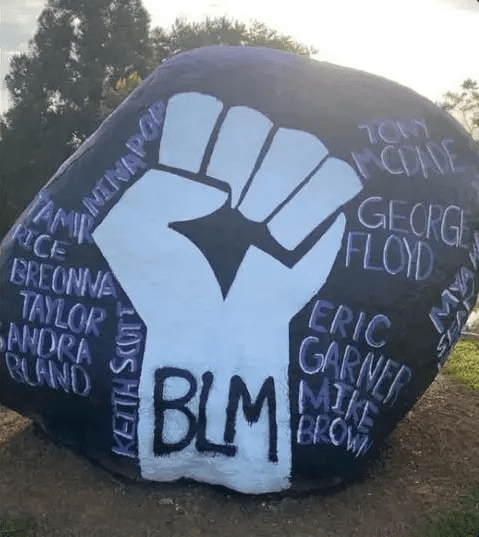
The school’s reversal came swiftly but not soon enough, the investigation closed by September 17 after internal review confirmed no crime, with McKenzie emailing families October 11 that “law enforcement was not contacted” and no discipline would follow. But the damage lingered—Stout ostracized by peers who whispered “vandal,” her grades dipping as anxiety took hold, therapy sessions twice weekly to unpack the trauma. “I just wanted to honor someone who inspired me—now I feel like the criminal,” Stout said, her notebook open to sketches of the rock, a creative outlet in the aftermath. The lawsuit, filed by parents Steven and Kristen Stout on her behalf, seeks damages for First Amendment violations, false light defamation, and emotional distress, alleging the email’s “criminal probe” claim created stigma that persists. “Our daughter’s spirit was crushed by a system that should have lifted her,” Kristen said in a December 9 press conference outside the federal courthouse in Charlotte, her arm around Gabby as cameras flashed. The Stouts, represented by First Liberty Institute, a Plano firm specializing in religious freedoms, argue the rock’s guidelines allowed “positive” messages, contrasting with 2020’s “Black Lives Matter” painting that stayed up weeks. “They celebrate some speech, censor others—this chills expression,” said senior counsel Jeremy Tedesco, his words a call for injunctions against viewpoint discrimination.
Ardrey Kell, a 2,500-student public high school in Charlotte-Mecklenburg Schools—the nation’s 18th largest district with 140,000 students—has a history of spirit rock as a free-speech outlet, from 2019’s “Love Wins” after Orlando to 2023’s prom proposals. But the Kirk tribute, painted days after his assassination by a gunman at a Utah rally—where Kirk, 31, was killed mid-speech on campus conservatism—struck a nerve in a district where 60% of students are Black or Latino, per 2024 data, and Kirk’s Turning Point USA has drawn criticism for voter suppression claims. Principal McKenzie, in a December 10 statement, apologized for the “miscommunication,” affirming no investigation occurred but defending the initial response as “ensuring safety.” CMS Superintendent Crystal Hill, in a district email December 11, committed to “reviewing guidelines for clarity,” her words a step toward reconciliation amid the suit’s $1 million demand for compensatory damages and policy changes.Stout’s story, shared in a December 9 Fox News interview from her family’s living room, captures the emotional toll of a teen’s voice stifled. “I felt like I did something wrong for speaking my faith,” she said, her eyes downcast as she described sleepless nights and friends’ distance. The lawsuit’s Dickens opener—”It was the best of times, it was the worst of times”—contrasts the rock’s past freedoms with her ordeal, seeking declaratory judgment that the policy favors left-leaning messages. Tedesco, whose firm won a 2023 case for a Texas teacher fired for Bible verses, sees it as precedent-setting: “Schools can’t play favorites with speech.”
Reactions from Charlotte’s communities blend support and scrutiny, a chorus from forums to front porches. On X, the suit drew 1.1 million views, replies from Kirk’s Turning Point: “Gabby’s courage echoes Charlie’s—fight on.” A December 10 Quinnipiac poll showed 58% of North Carolinians favoring rock freedoms, with 65% among evangelicals. In Ballantyne cafes, where Stout grabs lunch, neighbor Ruth Chen, 55, a retired teacher, nodded: “Kids should express—school overreacted.” Chen’s family, Chinese immigrants, values faith’s place in public life. CMS parents like Sofia Ramirez, 42, a Latina counselor, voiced caution: “Tributes are fine, but guidelines prevent chaos.” Stout’s stand, a quiet quest for voice, invites reflection on expression’s edges. For McKenzie in emails, Tedesco in filings, and Chen over coffee, it’s a moment of measure—a gentle call for schools where rocks welcome all words, one painted heart at a time.