Stranger Things’ Final Season Takes an Unexpected Turn as the Duffer Brothers Promise an Ending Nobody Saw Coming — and Definitely Not a “Red Wedding” Bloodbath
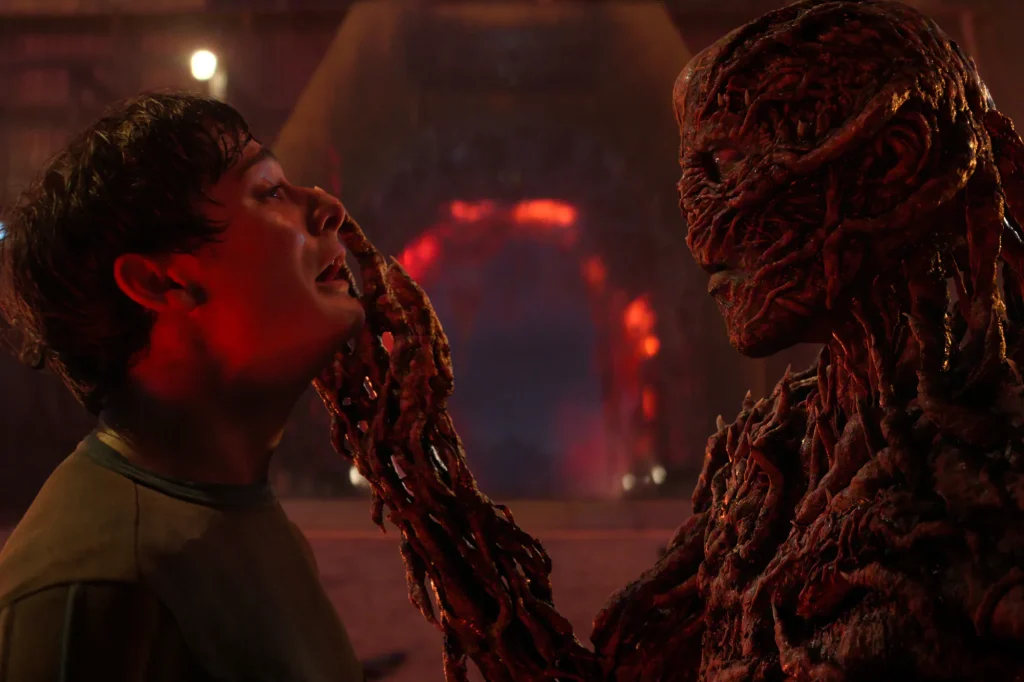
For nearly a decade, Stranger Things has lived in that rare place where nostalgia meets suspense, where a supernatural world with its own chilling logic can run parallel to the warmth of childhood friendships and the quiet heartbreaks that come with growing up. As the series entered its final season this week with the release of the first four episodes, the world slipped back into Hawkins with the kind of anticipation usually reserved for major film premieres. Fans had waited years for this moment, and the early episodes arrived with a familiar mix of dread, mystery, and emotional stakes that have defined the show from the beginning.

But alongside the excitement came an undercurrent of fear — not the kind created by Vecna or the Upside Down, but a worry rooted in television history. Long-running shows, especially those with devoted audiences, often feel the pressure to end with spectacle. Fans began bracing themselves for something shocking, even catastrophic, in the remaining episodes. In pop culture conversations online, a single question echoed louder than any other: Would Stranger Things try to deliver its own version of the “Red Wedding”?
Matt and Ross Duffer, the creative minds who built the world of Hawkins from a single missing boy, seem to have heard those whispers loud and clear. In a new interview released just days after the season’s first batch of episodes premiered, the brothers addressed the speculation with disarming honesty — and a bit of humor. “I’m hoping it surprises people,” Matt Duffer said, “but there’s no Red Wedding, if that’s what you’re asking. That would be depressing.”
His remark, referencing the famously brutal Game of Thrones episode that has remained one of television’s most shocking moments, instantly calmed a wave of anxious fans and sparked a new conversation. If the final chapters of Stranger Things aren’t a bloodbath, then what exactly are they?

The comment isn’t just a reassurance — it reflects a philosophy that has guided Stranger Things from the beginning. While the show is full of creatures, curses, and cosmic stakes, its emotional center has always been grounded in the human beings navigating the extraordinary. From Mike’s stubborn loyalty to Will, to Eleven learning how to belong, to Hopper’s transformation from broken sheriff to protective father, the characters are the reason the series resonates far beyond its sci-fi structure.
The Duffers’ promise that the ending won’t rely on shock-value carnage feels like a commitment to preserving those emotional truths. It also acknowledges the growth of its audience. Many people who started watching as teenagers are adults now, carrying their own histories with them. The creators seem to recognize that the conclusion needs to honor that long-term relationship rather than try to jolt it for headlines.
Still, the reassurance doesn’t diminish what’s coming. If anything, it highlights how careful the storytelling has become at this final stage. The first four episodes set a dark, dramatic tone, widening the emotional gulf between the characters while tightening the noose around Hawkins. The threats are real and the stakes unquestionably high, but the storytelling remains rooted in purpose rather than chaos. Viewers can feel the deliberate pacing — the way seemingly small scenes hint at much larger consequences, and the way tension builds not from the fear of losing characters senselessly, but from the fear of how far they might have to go to save one another.
What the Duffers’ comment reinforces is that the journey ahead will be human, not gratuitous. Fans aren’t preparing for mass casualties; they’re preparing for emotional closure, character resolution, and the kind of catharsis that a long story deserves when it reaches its final breath.
The assurance also feels like a subtle acknowledgment of how much the landscape of prestige TV has changed since the height of the “shock-and-awe” era. In the early 2010s, big twists defined cultural conversation. But audiences today often crave depth more than surprise, meaning becomes more valuable than spectacle, and the Duffers appear to be leaning into that shift intentionally.
The choice makes sense for Stranger Things. The show has always embraced influences from beloved ’80s classics — E.T., The Goonies, Stand by Me, A Nightmare on Elm Street. Even when the stories turn dark, they never stray too far from an undercurrent of hope. That tone isn’t compatible with a finale that aims to devastate for shock value. It works best when it balances heartbreak with resilience, fear with bravery, and loss with connection.

In fact, throughout the series’ run, the deaths that did occur were measured and meaningful. Bob Newby’s sacrifice remains one of the show’s most emotional moments, not because it was brutal, but because it was grounded in character. Eddie Munson’s death became a cultural shockwave not just because of the act itself, but because of everything his character symbolized — innocence, misjudgment, courage, and the tragedy of redemption arriving too late. The Duffers seem acutely aware of the fact that if this final chapter includes pain, it should feel earned, not engineered to cause outrage.
Their comments about refusing to mimic a “Red Wedding” also suggest a confidence in their own storytelling identity. Game of Thrones excelled in political brutality; Stranger Things thrives on emotional stakes. One show’s DNA cannot be transplanted into the other without compromising what makes it special. By setting expectations now, the creators are signaling that the remaining episodes will honor the world they built rather than trying to imitate a cultural moment from another era.
Fans have long speculated about how the series would end — whether the Upside Down would be destroyed, whether Eleven would survive, whether the world would return to normal or be forever changed. The Duffers didn’t reveal any details about those plotlines, but their tone indicates that the finale won’t be about tearing the world down violently. Instead, it may focus on transformation, sacrifice with purpose, and the lingering question the show has been asking from the start: What does it take to fight darkness when you’re still learning how to be a person?
Their interview also reflects a sense of responsibility. When you’ve created a global phenomenon watched by families, teenagers, and adults alike, you’re not just ending a show — you’re closing a chapter of people’s lives. The Duffers seem to carry that awareness with humility, choosing intention over spectacle and meaning over mayhem. Their words offer reassurance without removing the tension of what’s ahead, keeping the mystery intact but reinforcing that the emotional heart of the series is safe in steady hands.
As audiences wait for the next batch of episodes, speculation continues to swirl — but there’s a new softness in the conversation now. Fans aren’t bracing for carnage; they’re preparing for closure. They’re ready to see the characters they grew up with face the final test the way they always have: together, imperfect, afraid, and brave.
In the end, the Duffers’ promise that “this isn’t Game of Thrones” feels less like a comparison and more like a mission statement. Stranger Things will end on its own terms — not defined by shock value, but by the sincerity that has always made its supernatural world feel human. The Upside Down may be a place of terror, but the story emerging from it has always been one of love, friendship, and resilience. And as this final journey unfolds, it seems clear that the creators intend to protect that spirit all the way through the last frame.