Inside the leaked photos that allegedly show Vladimir Putin’s hidden sons — and the quiet world they’re being raised in
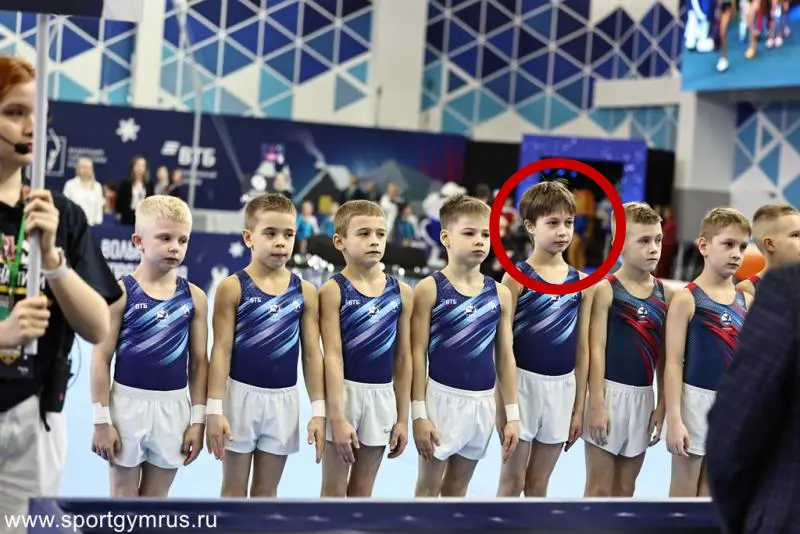
The appearance of two young boys in newly leaked photographs and video clips has sparked a wave of global curiosity, renewed scrutiny, and a fresh round of questions about the private life of Vladimir Putin — questions the Russian president has spent decades avoiding. The images, which have circulated internationally after being shared with the New York Post, are said to show Ivan, around 10 years old, and Vladimir Jr., around 6, participating in a gymnastics event reportedly connected to their mother, former Olympic gold medalist Alina Kabaeva. While the Kremlin has never confirmed the existence of these children, the latest material has reignited a story that has hovered at the edge of public consciousness for years: that Putin, long secretive about his personal life, has a second family whose existence contradicts the austere, isolated persona he presents to the world.
The new visuals portray the boys in a remarkably ordinary way — stretching, balancing, and interacting with coaches like any other beginners in a professional training environment. Their faces are earnest, focused, young. Nothing about them suggests the political storm their presence has ignited beyond the walls of that gym. But the alleged connection to Kabaeva, a woman widely believed by multiple international outlets to have a longstanding personal relationship with Putin, has thrown the images into a global spotlight. For many observers, these glimpses feel like the closest the world has come to seeing the private life of a man who keeps his family at a distance even from Russian media, where coverage of his daughters and any potential additional children is strictly limited or discouraged.
According to reporting shared with the Post, the images were quietly smuggled out of Russia by individuals who claimed to have access to the training facility where the footage was recorded. They described a tightly controlled environment where access is limited, security is discreet but omnipresent, and the children present are shielded from outside interaction. No part of the material independently confirms their parentage, and international media have consistently noted that all claims remain based on sources who say they are close to the situation. Still, the resemblance — combined with the timeline, the known relationship between Putin and Kabaeva, and previous investigative reports — has been enough to capture widespread attention.
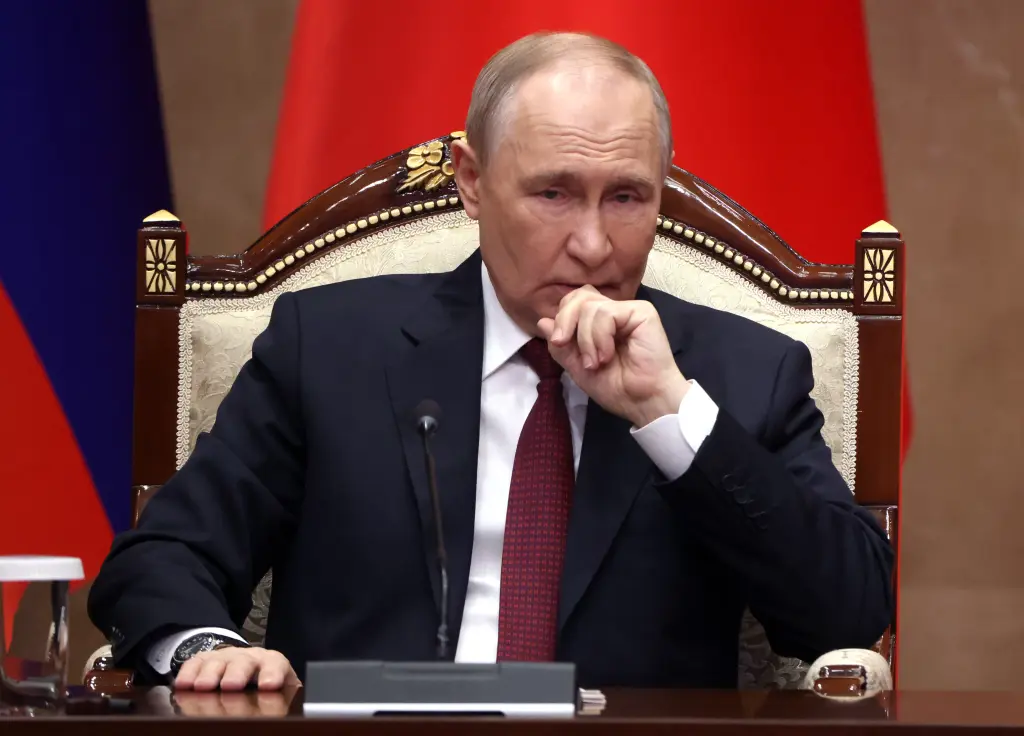
For years, Putin has presented himself as a stoic, isolated figure, “married to Russia,” as he once famously said. His two adult daughters from his previous marriage have rarely been photographed, and their lives are discussed only in the softest, vaguest outlines in Russian media. The suggestion that he has additional, much younger children living in private luxury has always been considered a sensitive subject in the country. The Kremlin’s approach has been consistent: no denial, no acknowledgement, just silence. That silence has fueled the impression that the president’s personal life exists behind a wall the public will never be allowed to peer through — unless someone, somewhere, decides to open a crack.
The leaked images do not show political power or privilege. Instead, they show childhood. One boy appears mid-routine, stretching into a pose with the kind of seriousness children often display when they know adults are watching. The younger child looks toward the camera with the open, unguarded expression of someone too young to understand secrecy, too innocent to comprehend that his life, if the reports are accurate, is unlike any other child’s in the country. The simplicity of the scenes — a gym mat, a coaching cue, a gentle applause from an instructor — stands in stark contrast to the immense political weight placed upon them from the outside world.
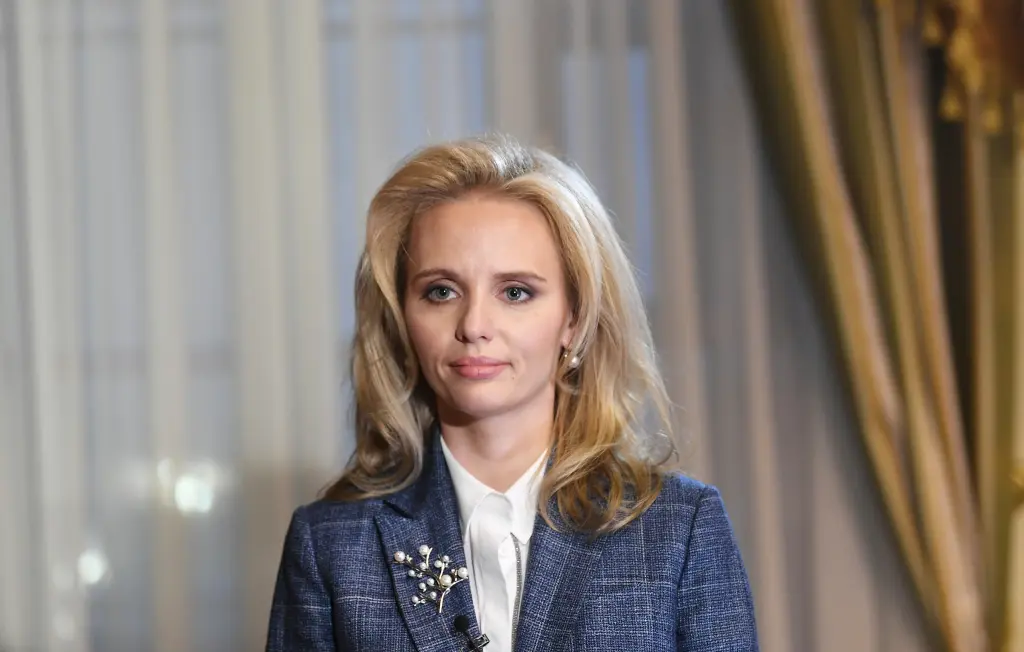
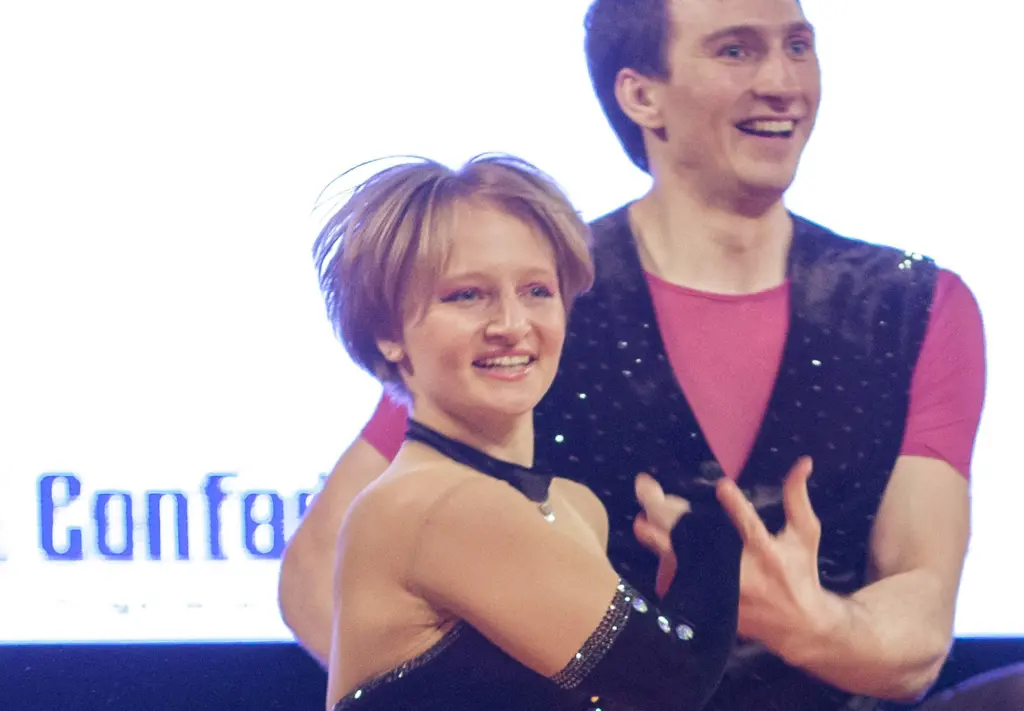
Sources who spoke to journalists have described the boys’ lives as quiet, sheltered, and surrounded by people whose job is to ensure that anonymity stays intact. These claims echo past reports about Kabaeva’s life, which portray her as maintaining a protected bubble, one that has grown even more private in recent years. Those who have investigated her role in the president’s orbit paint a picture of a woman who has stepped away from the public stage she once dominated as one of Russia’s most celebrated athletes. Instead, she is said to devote her time to family — a claim that aligns with the imagery emerging now, though direct verification remains challenging due to Russia’s strict media environment.
The global reaction to the leaked material has been a mix of surprise, skepticism, concern, and fascination. Some observers see the images as an unwelcome intrusion into the lives of minors who had no say in their parents’ political realities. Others argue that if the children are indeed Putin’s, their existence holds legitimate relevance given the president’s insistence on projecting a specific personal narrative to the Russian public. Many simply express sadness — the sense that, if the reports are accurate, these boys are growing up in a world defined by secrecy, isolation, and expectations they cannot yet begin to comprehend.
International analysts have been quick to point out that verifying any information about Putin’s private life is extraordinarily difficult. Russia’s internal systems of media control, combined with the president’s own longstanding preference for privacy, mean that even well-sourced claims must be approached with caution. Still, the pattern of reporting that has emerged over the last decade has repeatedly pointed to the same individuals, the same locations, and the same set of circumstances. While none of it amounts to official confirmation, it forms a mosaic that many believe paints a realistic picture.

Perhaps the most emotionally resonant part of this story is not the political implications but the human ones. If the boys are indeed Putin’s children, their lives are shaped by forces far beyond their control. They are growing up in a world where secrecy is normal, where public exposure is a threat, and where their last names — if ever officially attached to their faces — could alter the trajectory of their entire existence. Reports from those familiar with the family’s environment have suggested that there is a conscious effort to give the children as normal a life as possible behind closed doors, with structured routines, athletic training, and educational opportunities. But normality, in this context, is relative.
Gymnastics, the sport the leaked images show them engaging with, is deeply connected to Kabaeva’s own identity. As an Olympic champion, she spent years building a legacy that made her one of Russia’s most recognizable athletes. Her influence in the sport’s domestic landscape remains significant. To see young boys potentially trained in the very discipline that defined their mother’s public life creates a poignant, if unconfirmed, narrative thread — a suggestion that she wishes to share her passion with her children, even if the world will never officially recognize them.
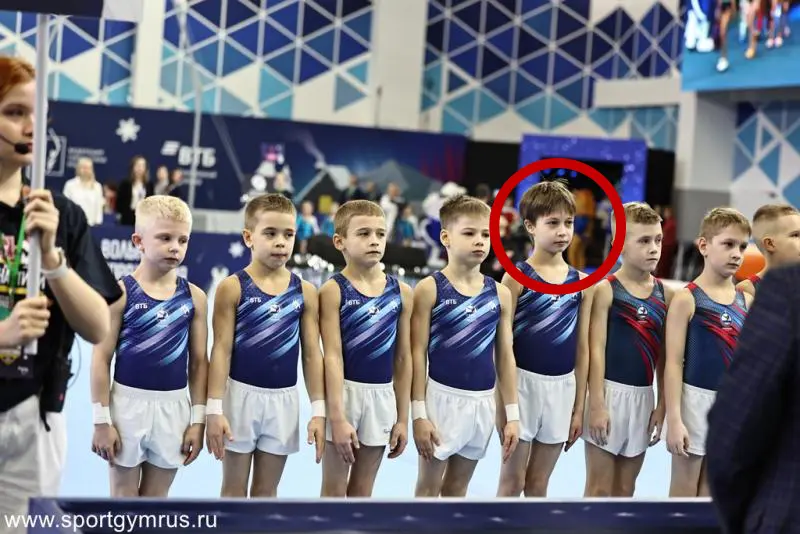
The boys’ presence at such events also speaks to a complicated emotional truth: children find joy even in places built to shield them. Their focus on movement, balance, and technique suggests a world where they are allowed to grow and develop outside the harsh political spotlight surrounding their alleged father. They seem, in these moments, not like the sons of one of the world’s most powerful and controversial leaders, but simply like children doing something they enjoy. And perhaps that is why the images have resonated so deeply — because they remind viewers that behind every geopolitical headline, there are human lives, small ones, trying to bloom in the shadows cast by decisions they did not make.
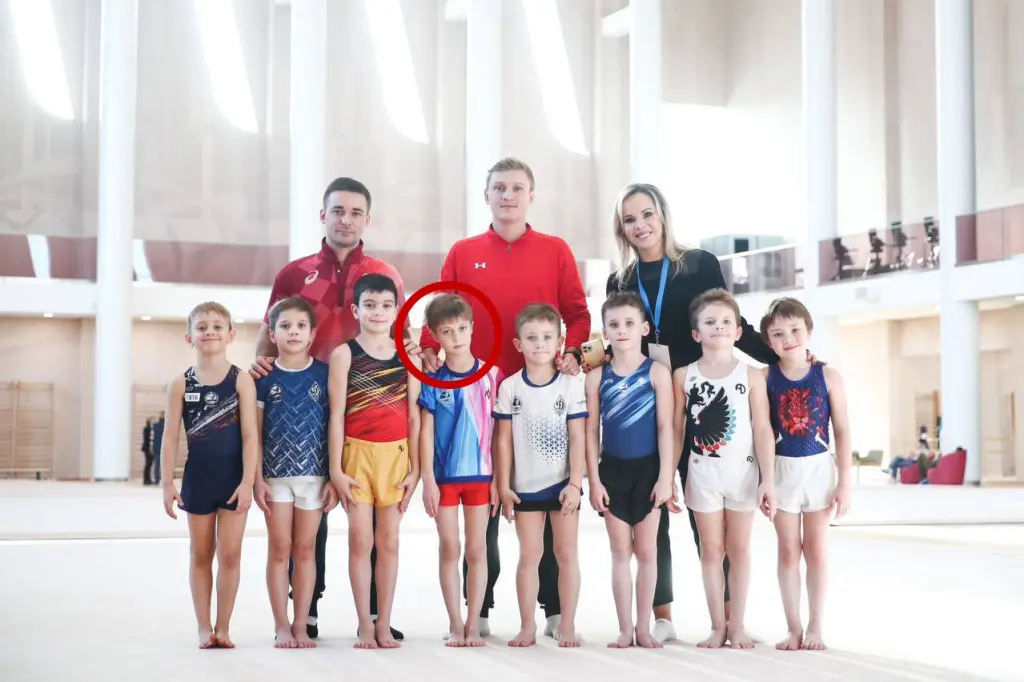
As the story continues to circulate, Kremlin officials have not commented on the authenticity of the photographs or the claims surrounding them. This silence maintains the same ambiguity that has defined years of speculation about Putin’s personal life. International outlets continue to emphasize the tentative nature of all reporting involving the children, noting that without official acknowledgment, their identities remain unverified. Still, the consistency of sources, combined with the imagery itself, has led many to believe that the boys in the photographs are indeed part of a chapter of Putin’s life he has worked diligently to keep out of public view.
For now, the world is left with images that raise more questions than answers — images of two children in a gym, possibly taking their first steps in a sport that shaped their mother’s career, possibly navigating the early years of a life tied to a leader who rarely allows anyone to see beyond the polished veneer of power. If they are Putin’s sons, their future remains uncertain and heavily protected. If they are not, then the global fascination reflects something broader: the relentless human desire to understand the private lives of public figures whose decisions shape history.
What is certain is that the photographs have stirred a conversation not just about Putin, but about the universal tension between privacy and public power. They remind the world that even in the most guarded environments, humanity finds a way to appear — in a child’s determined pose, in a cautious glance toward a camera, in the quiet echo of footsteps on a gymnasium floor.