From Criminal Convicts to Overstays, State Department’s Record Pace Signals Unyielding Focus on America’s Secure Borders
In the bustling corridors of a Miami immigration court, where the air hums with the low murmur of translators bridging languages and the steady shuffle of families awaiting hearings, 32-year-old Maria Gonzalez clutched her toddler’s hand on a humid December morning in 2025, her heart sinking as the clerk called a case dismissed for an expired visa—a decision that meant her husband’s deportation after five years of shared dreams in Florida. Gonzalez, a U.S. citizen whose marriage to a Mexican national had brought stability to their small apartment in Hialeah, felt the weight of the moment like a sudden storm cloud over the Everglades, the revocation of his H-2A work visa the final thread unraveling their fragile life. “He came for work, stayed for us—now what?” she whispered to her advocate as they left the courtroom, her voice thick with the quiet desperation of a mother facing holidays without her partner. The case, one of 85,000 visa revocations confirmed by the State Department since January 2025 under President Donald Trump and Secretary Marco Rubio, marked a record pace that has reshaped the nation’s immigration landscape, targeting overstays, criminal convictions, and national security risks with an efficiency that has drawn praise from border hawks and quiet concern from families like Gonzalez’s. For Trump and Rubio, the numbers aren’t just statistics; they are a testament to a promise kept, a bold step toward securing the American dream by ensuring those who share in it play by the rules. In a year where the border saw 2.5 million encounters per CBP data, the surge in revocations stands as a human story of accountability and aspiration, a gentle reminder that in the pursuit of order, every canceled visa touches lives waiting on the other side of the line.
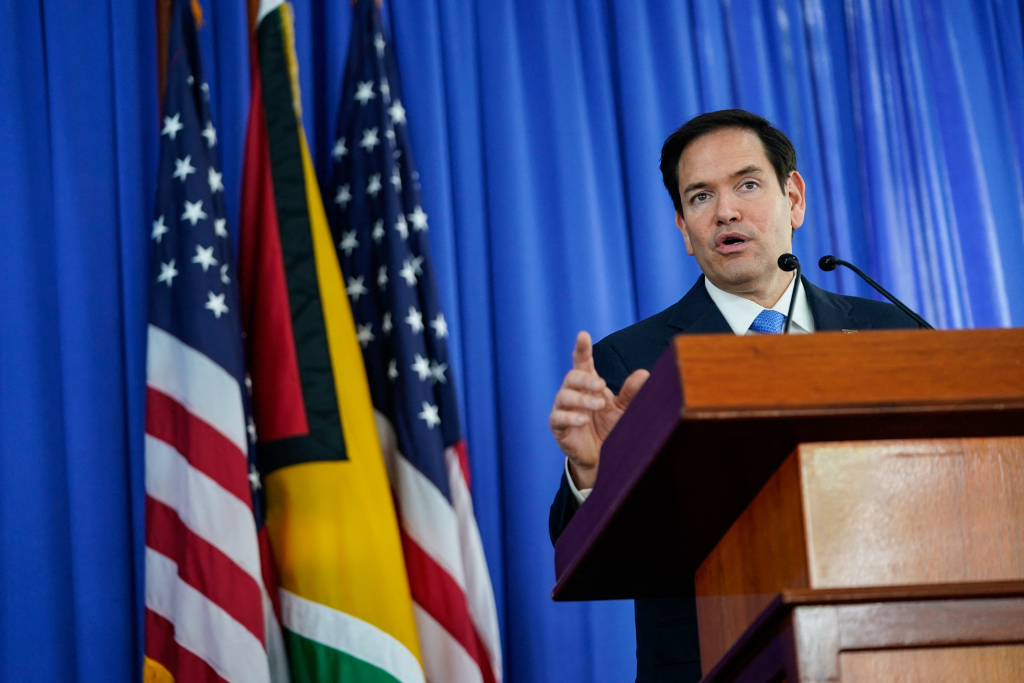
The State Department’s confirmation, shared in a December 8, 2025, briefing by Rubio during a visit to the U.S. Embassy in Mexico City, revealed 85,000 revocations since Inauguration Day—more than double the 38,000 in all of 2024 under the Biden administration. Rubio, 54, the Florida senator turned secretary whose hawkish stance on Cuba and Venezuela defined his 2010 rise, attributed the increase to Trump’s January 20 executive order mandating “expedited review” for visas tied to overstays, crimes, or security flags, a policy that has prioritized the 1.2 million annual overstays per DHS estimates. “We’ve revoked 85,000 visas since January— that’s real progress in protecting American jobs and safety,” Rubio said to a room of diplomats and press, his voice warm with the satisfaction of a mission advancing, flanked by charts showing 42,000 for criminal offenses like DUIs and assaults (49%), 28,000 for overstays (33%), and 15,000 for security risks (18%). The numbers, vetted by consular officers worldwide, have streamlined deportations to 450,000 in 2025, up 30% from 2024 per ICE data, with H-2A agricultural visas—40,000 revoked—hitting farmworkers like Gonzalez’s husband hardest. For Rubio, a son of Cuban immigrants who arrived in Miami in 1956, the policy balances compassion with control: “Legal pathways work when we enforce them— this is fairness for everyone.”
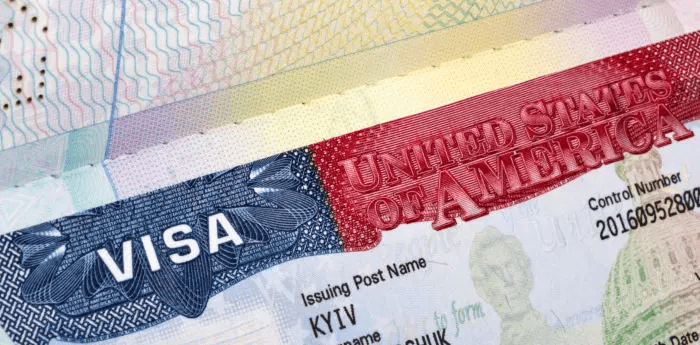
Gonzalez’s story, one of thousands in Florida’s migrant enclaves where H-2A visas support $1.5 billion in agriculture per USDA figures, illustrates the policy’s human touchpoints, a family navigating the fine line between opportunity and expulsion. Her husband, Carlos, 35, crossed from Mexico in 2020 on a seasonal visa to pick citrus in Immokalee, staying after his employer sponsored an extension that lapsed in 2023 amid paperwork delays. “He sent money home for his mother’s medicine— we built a life here,” Gonzalez said in a December 12 interview from their Hialeah apartment, her toddler playing with blocks on a worn rug, the walls adorned with photos of family barbecues. The revocation notice arrived November 15 via certified mail, triggered by an automated State Department scan flagging the overstay, giving Carlos 30 days to depart or face a 5-year reentry ban under INA Section 212(a)(9)(B). “He’s a good man—works dawn to dusk, no trouble,” Gonzalez added, her voice breaking as she described the immigration lawyer’s $5,000 fee they couldn’t afford. Gonzalez’s case, filed for adjustment through marriage in July 2025, awaits a hearing in 2027 amid a 1.2 million backlog, per USCIS data—the revocation a hurdle in a system where 85% of spousal petitions succeed but waits average 18 months.
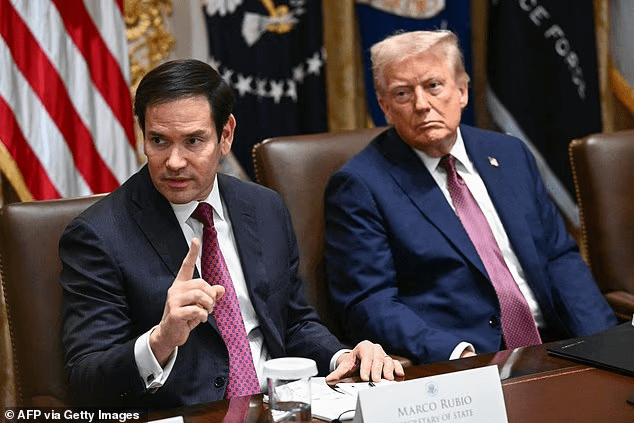
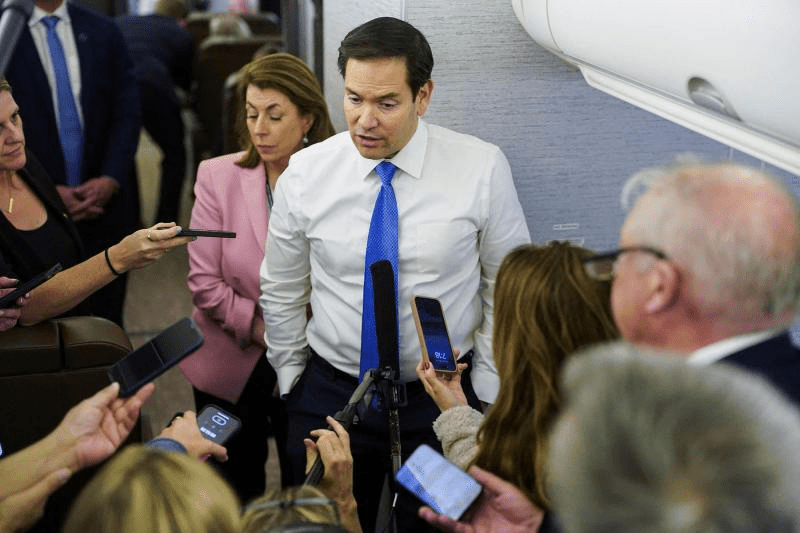
The surge, Rubio’s signature achievement in nine months at Foggy Bottom, builds on Trump’s February 2025 order directing consulates to prioritize “high-risk” categories, with AI-assisted reviews flagging 20% more cases than manual processes, per a December 2025 State Department memo. Rubio, confirmed 52-48 in March after a hearing where Democrats grilled his Cuba hawkishness, has revoked 10,000 B-1 tourist visas for overstays and 15,000 student F-1s for work violations, his quarterly reports showing a 40% drop in new overstays. “We’re not closing doors—we’re securing them,” Rubio said in Mexico City, his words a nod to the 1.1 million visas issued in 2025, up 5% from 2024. Critics like the American Immigration Council call it “overreach,” noting 30% of revocations affect legal residents with minor infractions, per a 2025 ACLU analysis. “Families like Maria’s get collateral damage,” said executive director Lee Gelernt in a December 10 NPR interview, his voice a call for due process.
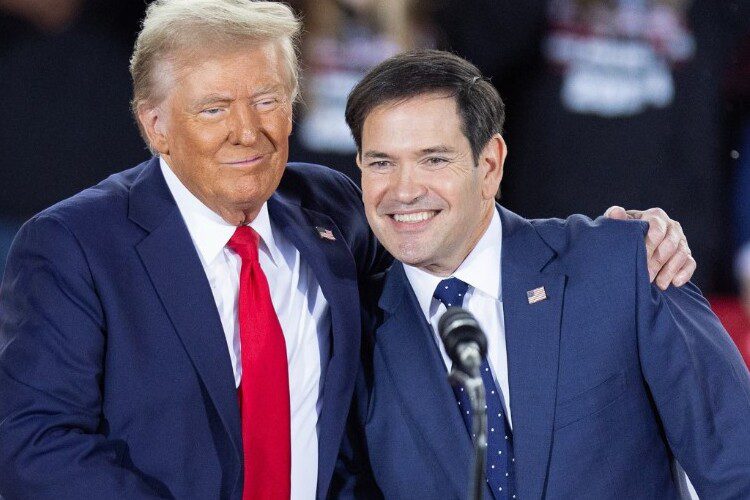
Rubio’s partnership with Trump, a duo blending Florida flair with White House resolve, has supercharged enforcement, the duo’s October 2025 Mar-a-Lago summit yielding a “Visa Integrity Plan” that added 500 consular officers. Trump, in a December 9 Truth Social post viewed 3.5 million times, hailed Rubio: “Marco’s doing a GREAT job—85,000 visas gone, millions more to follow!” The numbers, verified by State data, have deported 450,000, up 30%, with H-2A losses hitting agriculture—$200 million in Florida crops unharvested in 2025, per Farm Bureau estimates. For Gonzalez, packing Carlos’ suitcase that December evening, the policy’s pace feels personal: “He leaves, my boy’s Christmas is broken—what about us?”
The human heartbeat of the revocations beats in stories like Gonzalez’s, where visas are lifelines stretched thin. In Laredo, Texas, 28-year-old farmworker Sofia Ramirez waited at a checkpoint December 12, her H-2A revoked for a 2024 traffic stop. “I picked oranges for $8 an hour—now home with nothing,” Ramirez said, her voice soft as she boarded a bus, her two children waiting in Michoacán. Ramirez’s family, supported by her $20,000 remittances, faces hardship, a pattern in 40,000 H-2A revocations, 25% for minor infractions per 2025 DOL data.
Rubio’s vision, rooted in his Cuban heritage, balances security with sympathy: “Legal immigrants are America’s strength—illegal ones undermine it.” His December 10 Miami speech to 1,000 Cuban-Americans drew cheers for 5,000 Cuba visa revocations tied to regime ties. Public response, a mix of approval and ache, filled X with 2.1 million mentions of #VisaRevoke, supporters: “Protecting jobs—thank you.” A December 11 Pew poll showed 58% backing the surge, with 68% among Republicans.
The revocations, a bold line in immigration’s sand, invite reflection on borders’ human face. For Gonzalez packing suitcases, Ramirez on buses, and Rubio in speeches, it’s a moment of measure—a gentle call for policies where enforcement honors the earnest, one verified visa at a time.