In Emotional Plea from Daughters, President Trump Grants Full Clemency to Rep. Henry Cuellar Amid Bribery Charges and Border Stance
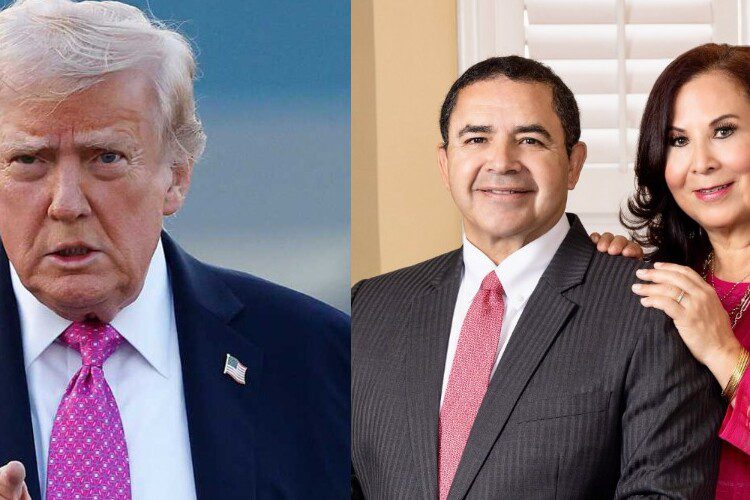
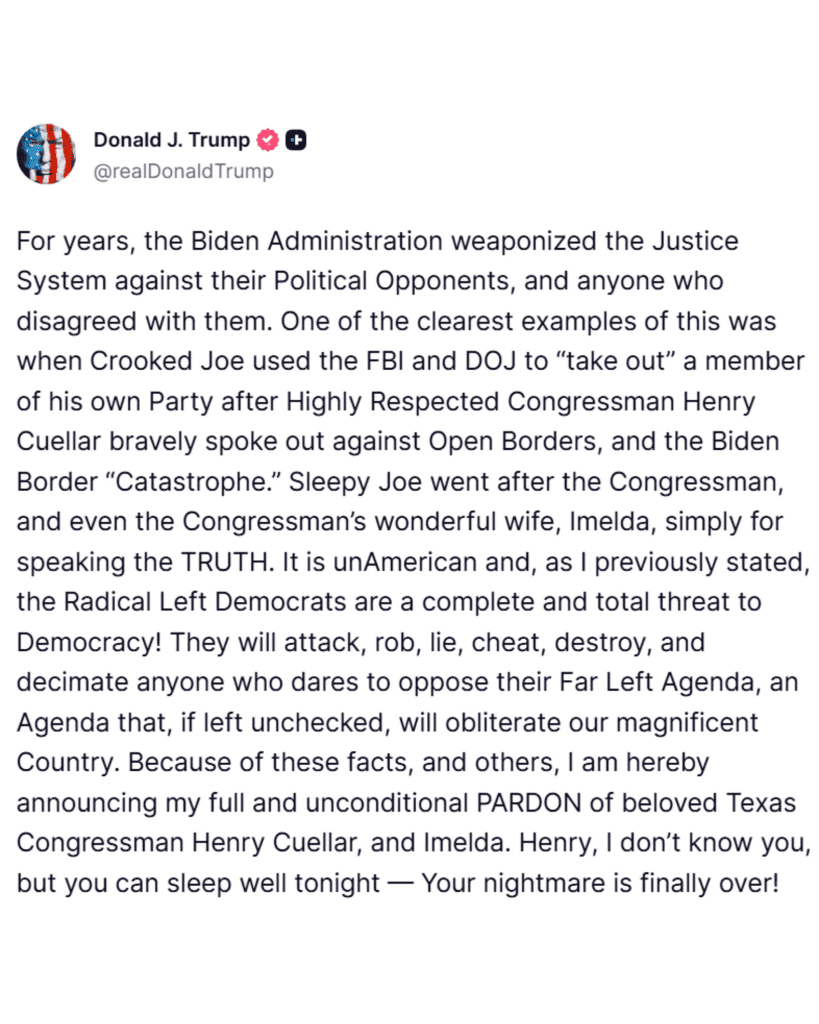
In the quiet hum of a Texas morning, where the Rio Grande’s gentle flow meets the stark realities of border life, Rep. Henry Cuellar woke on December 3, 2025, to a world forever altered. The nine-term Democratic congressman from Laredo, a fixture in South Texas politics for two decades, had carried the weight of federal indictment like a shadow over his every step. But in a sweeping announcement on Truth Social, President Donald Trump extended a “full and unconditional pardon” to Cuellar and his wife, Imelda, erasing the cloud of bribery, money laundering, and conspiracy charges that had loomed since May 2024. Trump’s post, a lengthy missive laced with his signature flair, framed the act as a stand against a “weaponized” justice system—one that, in his view, targeted even fellow Democrats for daring to critique open borders. “Henry, I don’t know you, but you can sleep well tonight—your nightmare is finally over,” Trump wrote, his words a balm for a family that had bared its soul in a heartfelt plea from Cuellar’s daughters just weeks earlier. As news rippled across the heartland, it stirred a mosaic of reactions: relief in border towns, unease in Washington corridors, and a poignant reminder of mercy’s power in a polarized age.
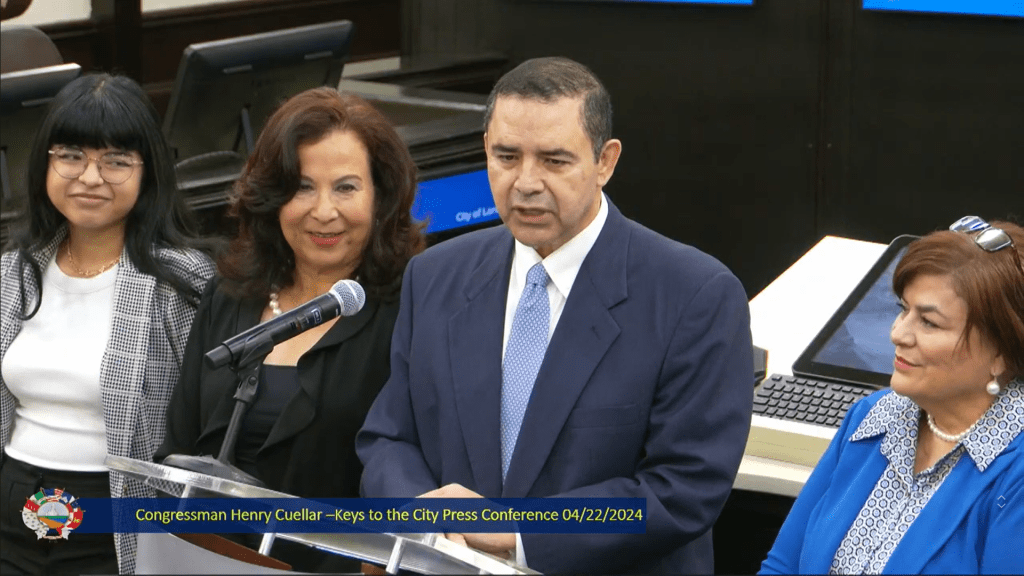
The pardon landed like an unexpected rain in the arid landscape of Cuellar’s 28th District, a sprawling expanse of ranchlands, maquiladoras, and resilient communities where family ties run as deep as the river itself. Cuellar, 68, and Imelda, 67, had faced a dozen federal counts alleging they accepted nearly $600,000 in bribes from an Azerbaijan state-owned oil company and a Mexico City bank between late 2014 and November 2021. Prosecutors painted a picture of influence peddling: Cuellar allegedly pushing pro-Azerbaijan legislation and advocating for the bank’s interests in exchange for laundered funds funneled through sham consulting deals. The couple, who pleaded not guilty and maintained their innocence, were set for trial in April 2026 in Houston’s federal court. Cuellar, a Laredo native whose father was a rancher and mother a schoolteacher, had built a career on pragmatic bipartisanship—securing infrastructure dollars for flood-prone roads, championing trade deals that sustained local jobs, and bucking his party on issues like gun rights and energy independence. Yet, the indictment struck at the core of his identity: a man who rose from Webb County clerk to one of Congress’s most conservative Democrats, often standing alone against progressive tides.
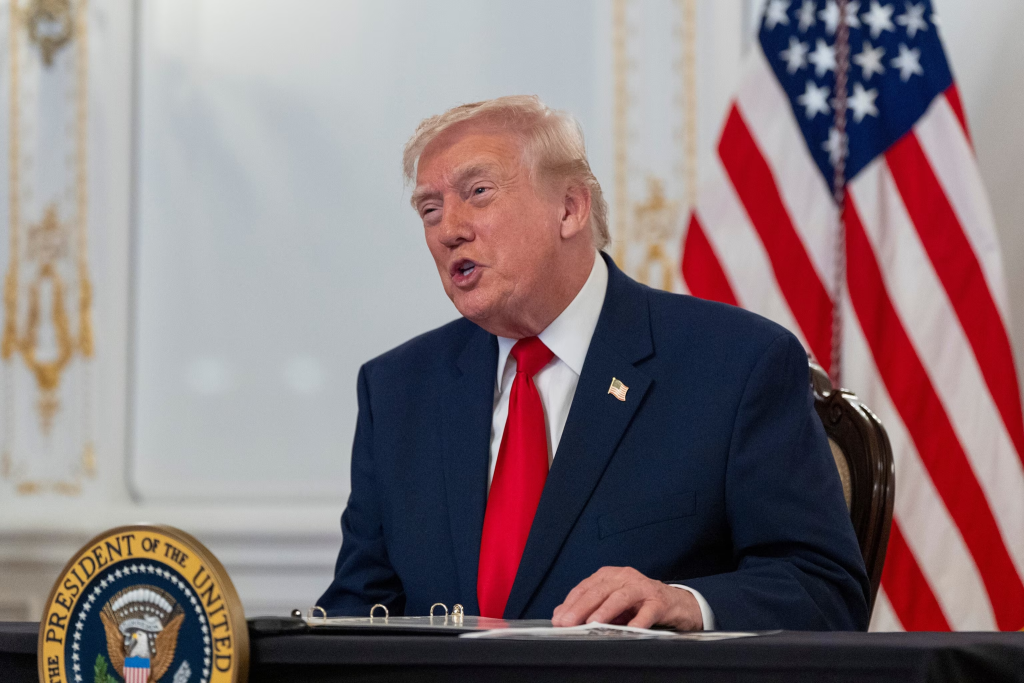
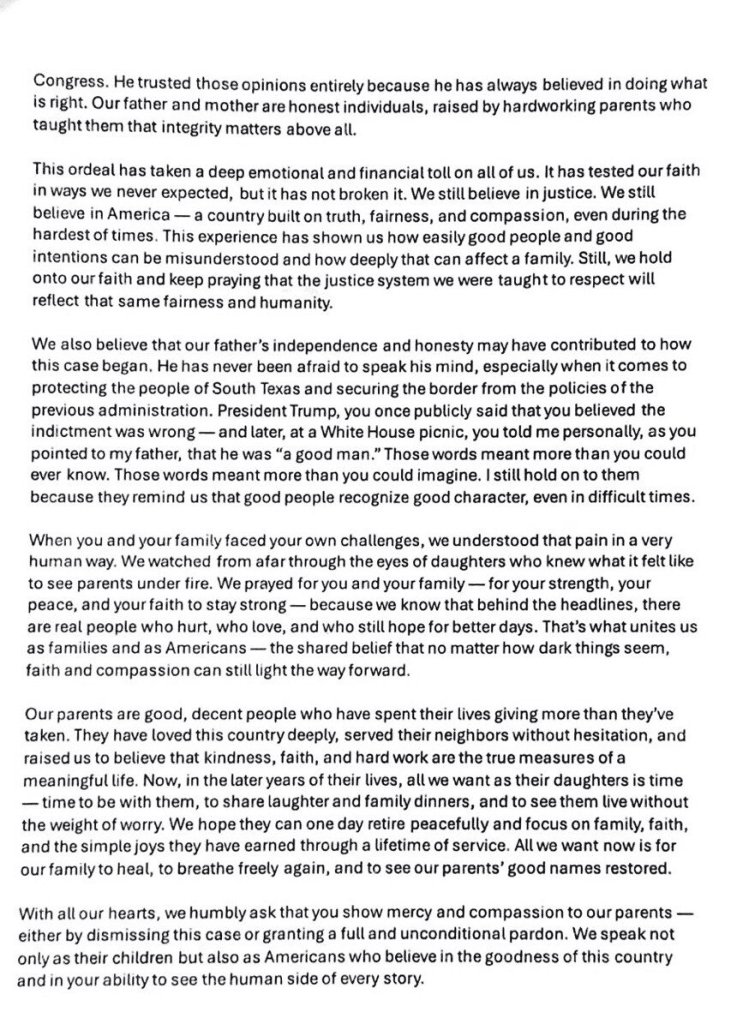
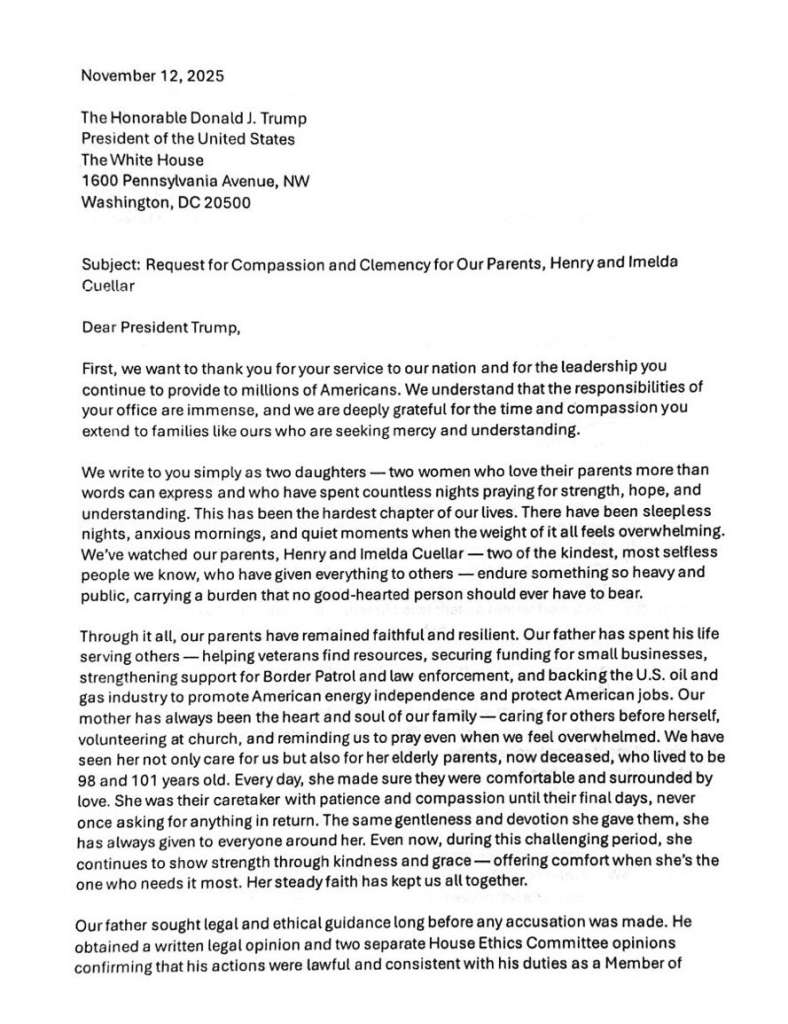
Trump’s decision, announced at 9:45 a.m. ET, wove personal narrative with political thunder. In a post that quickly amassed millions of views, he lambasted the Biden-era Department of Justice for what he called a “catastrophe” at the border, crediting Cuellar’s outspoken criticism—labeling Biden’s policies a “border catastrophe”—as the true spark for the probe. “Sleepy Joe went after the Congressman, and even the Congressman’s wonderful wife, Imelda, simply for speaking the TRUTH,” Trump declared, his rhetoric a rallying cry for those who see federal agencies as tools of retribution. The post included four images: three screenshots of the announcement itself and one of a November 12 letter from Cuellar’s daughters, Christina and Catherine, penned in a Washington hotel room during a family visit. Titled “Request for Compassion and Clemency for Our Parents, Henry and Imelda Cuellar,” the four-page missive poured out a daughter’s devotion, blending policy defense with raw vulnerability. “When you and your family faced your own challenges, we understood that pain in a very human way,” they wrote, alluding to Trump’s legal battles. “We watched from afar through the eyes of daughters and knew what it felt like to see parents under fire.”
That letter, mailed to the White House and quietly circulating among allies since mid-November, captured the quiet agony of a family thrust into limbo. Christina, a policy analyst in her late 20s, and Catherine, a teacher navigating her first years in the classroom, described their parents not as power brokers but as everyday anchors: Henry grilling fajitas on summer evenings, Imelda tending a garden of nopales and herbs that scented their Laredo home. They recounted holidays shadowed by court dates, birthdays marked by whispered reassurances, and the sting of headlines that painted their father as a villain rather than the “good man” Trump had once called him at a White House picnic. “He has never been afraid to speak his mind, especially when it comes to protecting the people of South Texas and securing the border,” the sisters wrote, echoing Cuellar’s votes against party lines on immigration enforcement and his push for tougher asylum rules. Their plea wasn’t just for exoneration but for understanding: “We ask that you consider the independence and honesty that may have contributed to how this case began.” In interviews following the pardon, Christina shared a lump in her throat over a video call, her voice soft against the backdrop of holiday lights. “We wrote it because love demands you try—every word was a piece of our heart on that page.”
Cuellar’s story is woven into the fabric of the border he has represented since 2005, a region where cultures blend like the colors of a serape—vibrant, layered, and resilient. Born in 1955 to Mexican-American parents in the shadow of the international bridge, he grew up bilingual, shuttling between American classrooms and family gatherings alive with corridos and tamales. A graduate of Laredo Junior College and Georgetown Law, he served as a state representative and county judge before ascending to Congress, where his office became a hub for veterans’ claims and small-business loans. His conservatism drew fire from progressives: He voted against the Green New Deal, supported the Keystone XL pipeline, and in 2024, fended off a primary challenge from immigration activist Jessica Cisneros by a razor-thin 5.6-point margin. Yet, it was his border stance that set him apart—railing against Biden’s parole programs and migrant surges in floor speeches that resonated from Eagle Pass to El Paso. “This isn’t politics; it’s about families like mine, caught in the crossfire,” Cuellar told reporters in early 2024, standing ankle-deep in the Rio Grande during a bipartisan delegation, his suit jacket slung over one arm as he gestured toward families wading across.
The indictment, unsealed on May 3, 2024, by the Southern District of Texas, upended that rhythm. Federal agents raided the Cuellars’ Laredo home and D.C. office, seizing documents and electronics in a predawn sweep that left neighbors peering from behind curtains. The 54-page charging document detailed a web of alleged kickbacks: $100,000 wired to sham entities controlled by Imelda, disguised as consulting fees for her “expertise” in U.S. policy, while Henry reportedly lobbied for Azerbaijan’s interests in a 2015 amendment and steered USDA loans toward the Mexican bank. Cuellar, ever the fighter, decried it as a “politically motivated” hit, consulting the House Ethics Committee and vowing to clear his name. Imelda, a former Laredo city council candidate known for her community volunteerism—from food drives to youth mentorship—stood by him, her quiet strength a steady presence in court filings. As the case dragged into 2025, with discovery motions and plea negotiations stalling, the family leaned on faith and routine: Sunday masses at San Agustín Cathedral, where prayers for justice mingled with the scent of incense, and drives along the river where Henry shared stories of his grandfather’s crossings during the Bracero era.
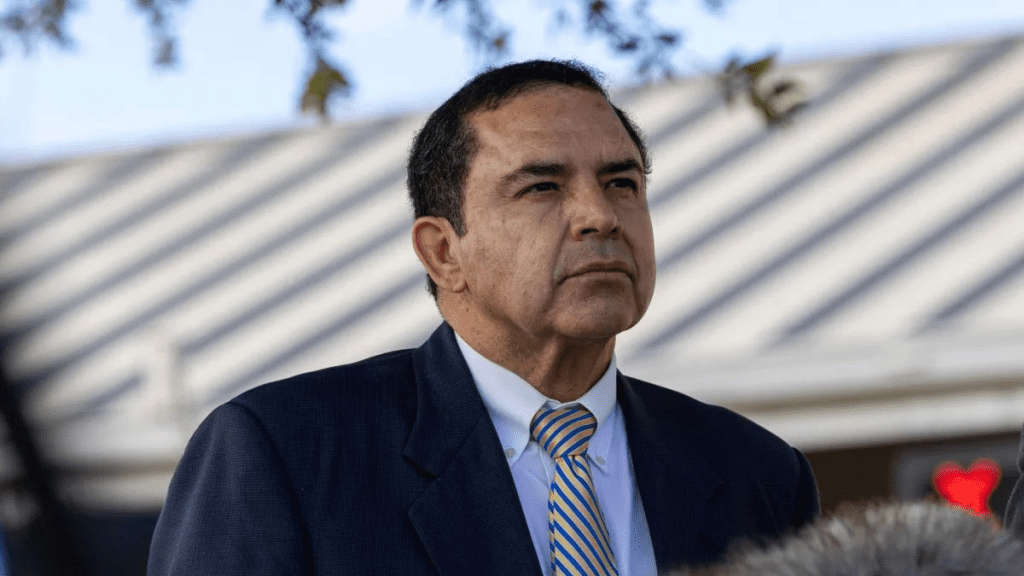
Trump’s intervention, while startling, wasn’t without precedent in his clemency playbook. The president, who granted 237 acts of clemency during his first term—including to allies like Michael Flynn and Steve Bannon—has signaled a return to such moves in his second, pardoning figures from Black Lives Matter organizer Michael Reinoehl to former Illinois Gov. Rod Blagojevich. Cuellar’s alignment on borders made him a natural fit: In July 2024, amid record migrant encounters, Cuellar joined Republicans in demanding National Guard deployments, earning a nod from Trump at a Mar-a-Lago fundraiser. “Henry gets it—the border isn’t a photo op; it’s life and death,” Trump said then, a rare bipartisan bridge in a fractured House. Legal experts note the pardon halts proceedings immediately, sparing the couple a trial that could have spanned months and cost hundreds of thousands in fees. As of July 2025, the DOJ had pressed forward, with special counsel filings underscoring the case’s complexity, but Trump’s pen rendered it moot.
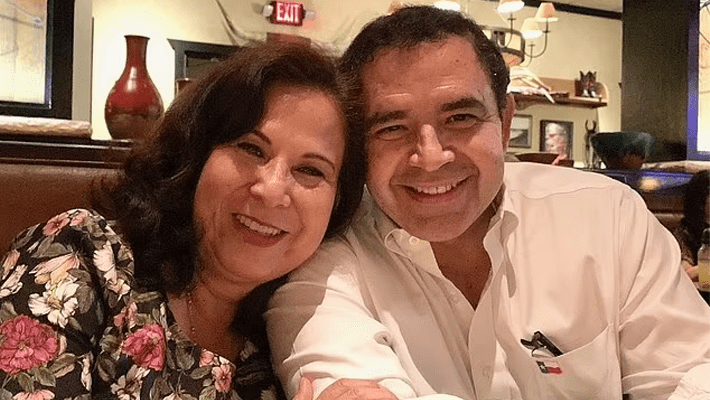
Across Texas and beyond, the news elicited a spectrum of responses, each tinted by personal stakes. In Laredo, where Cuellar’s face graces billboards for local charities, church bells seemed to ring a touch louder that afternoon. Rosa Mendoza, a 62-year-old crossing guard whose son served alongside Cuellar’s advocacy for border agents, wiped tears at a neighborhood tortillería. “Henry’s one of us—fought for our kids’ schools when no one else would,” she said, folding fresh masa as steam rose like a sigh of relief. Supporters flooded his office with calls, sharing tales of scholarships he’d secured or VA clinics he’d championed. On the flip side, in Austin’s progressive enclaves, activists like those from the Texas Civil Rights Project voiced measured concern, pointing to the indictment’s roots in a 2022 FBI probe into foreign influence. “Justice shouldn’t bend to politics, but neither should it break families,” said director Mimi Marziani in a statement, her words a call for systemic review without assigning blame.
Nationally, the pardon fueled online debates, with #CuellarPardon trending alongside clips of Trump’s post. Conservative outlets hailed it as a rebuke to overreach, while others pondered its ripple: Could it embolden probes into Democratic rivals, or signal olive branches in a divided Congress? Cuellar, in a brief statement from his Laredo home, expressed gratitude without gloating. “Imelda and I are innocent, and today affirms what we’ve always known—truth prevails,” he said, his voice cracking as he mentioned his daughters. “To President Trump, thank you for seeing the heart of this.” As evening fell over the border, with families gathering for posadas processions—lanterns glowing against the dusk—the Cuellars joined neighbors in quiet celebration, a tamalada unfolding in their backyard. For Christina and Catherine, it was a homecoming unburdened: hugs without the hush of uncertainty, futures no longer footnotes to a fight.
In the broader tapestry of American grace, this pardon underscores mercy’s quiet work—bridging chasms not with fanfare, but with forgiveness that heals. For the Cuellars, it’s a chapter closed on charges, but open to the service that defined them: advocating for the overlooked, mending divides one handshake at a time. As Trump returned to his agenda, and Cuellar to his district’s daily pulse, the Rio Grande flowed on, a testament to endurance. In a nation of second chances, their story whispers that even amid storms, compassion can light the way home.