Minnesota Governor’s Emotional Plea Ignites Debate as Trump-Era Scrutiny Targets State’s Somali Diaspora in Billion-Dollar Welfare Schemes
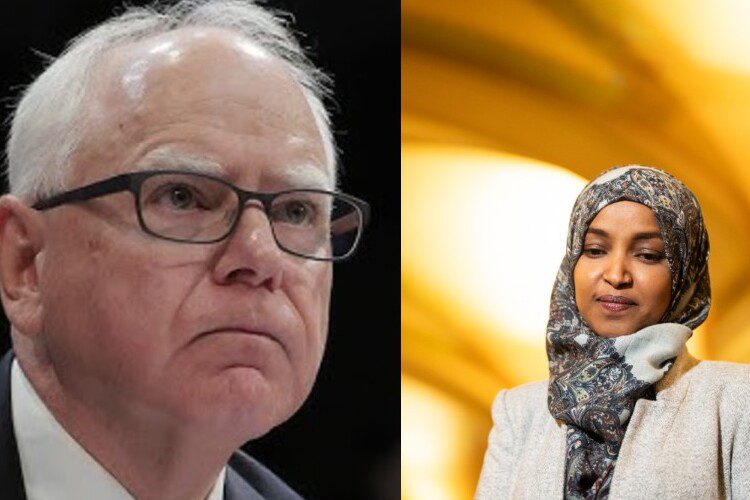
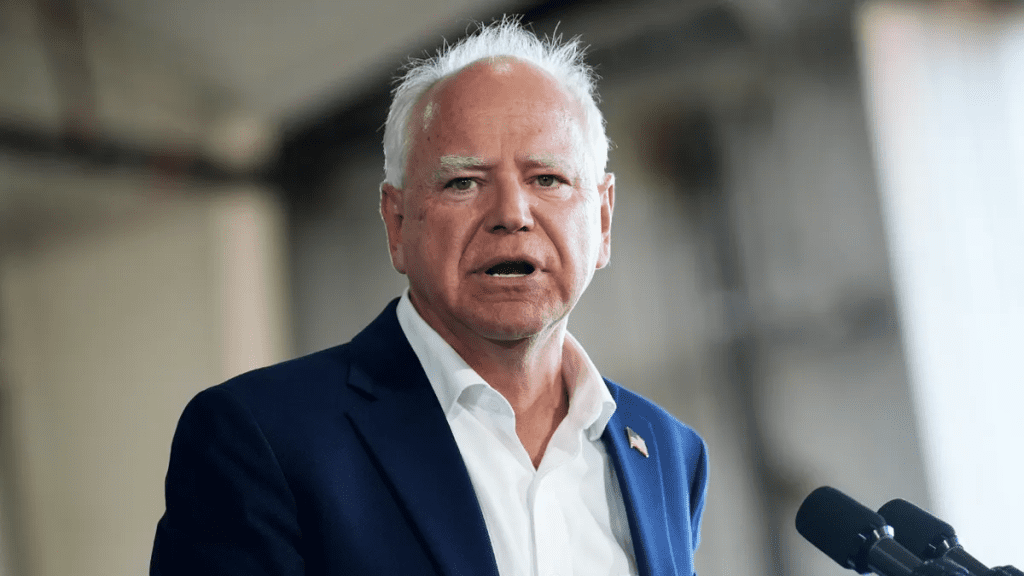
In the crisp chill of a Minnesota winter, Governor Tim Walz stepped to a podium flanked by American flags, his voice steady but laced with frustration. It was a moment that captured the raw tension gripping the state: a leader defending a community under fire, even as questions swirled about accountability for one of the largest welfare fraud cases in U.S. history. “This idea the Somali community is to blame? Because they didn’t do more?!” Walz exclaimed, his hands gesturing emphatically as if to push back an invisible tide of criticism. “Trump brought this to the attention like it’s brand new!! He made it white hot. To blame them, and say they should’ve been responsible for stopping it—it’s a pretty hard reach!” The words, delivered in a recent address, hung heavy in the air, a poignant counterpoint to the escalating national discourse on fraud, immigration, and trust in public institutions.

For many in Minnesota, Walz’s remarks struck a chord of weary empathy, a reminder of the human stakes in a scandal that has ensnared not just dollars but dreams deferred. The governor, who has navigated the complexities of leading a state with one of the nation’s largest Somali diasporas, spoke from a place of deep familiarity. Minnesota has long been a beacon for Somali refugees fleeing civil war and famine, their arrival weaving a vibrant thread into the fabric of cities like Minneapolis and St. Paul. Families have built lives here, contributing to schools, businesses, and neighborhoods with quiet resilience. Yet, over the past several years, a shadow has fallen: allegations of widespread fraud in social services programs, totaling more than a billion dollars, with many of those charged tracing roots to the Somali community. Federal prosecutors have detailed schemes that exploited pandemic-era aid, from phantom meal programs for children to fabricated therapy sessions for autistic youth and sham housing assistance for the vulnerable. It’s a story of betrayal that has left taxpayers reeling and community leaders grappling with stigma’s sharp edge.
The roots of this crisis trace back to the height of the COVID-19 pandemic, when federal funds flowed generously to support families in need. Programs like the Child Nutrition Program, administered through nonprofits such as Feeding Our Future, were meant to nourish low-income children. Instead, investigators uncovered a network where operators allegedly claimed to serve tens of thousands of meals that never materialized, billing the state for services that enriched a few at the expense of many. In one thread of the case, providers in Minneapolis’s Somali enclaves reportedly recruited families, falsely certifying children for autism therapy and offering kickbacks to parents for their participation. Another layer involved housing stabilization efforts, where funds intended to shelter the elderly and homeless were diverted through shell companies. By late 2025, the U.S. Department of Justice had charged dozens—78 out of 86 defendants of Somali ancestry, according to court records— in what has been described as the country’s largest pandemic relief fraud operation. Lavish purchases, overseas remittances, and even unverified links to groups like Al-Shabaab have fueled the narrative, though officials emphasize that no concrete evidence ties the stolen funds directly to terrorism.
Walz’s administration, in power since 2019, has faced pointed questions about oversight lapses. Whistleblowers, including program auditors, later recounted ignored red flags: suspicious billing patterns, unchecked growth in nonprofit registrations, and pleas for audits that went unheeded. One investigator told reporters that state officials seemed “reluctant” to probe deeply, wary of igniting backlash in a community that wields growing political clout. Minnesota’s Somali population, now exceeding 100,000, has produced influential figures, from state lawmakers to congressional representatives, making any scrutiny a delicate balance. “No one was doing anything about the red flags,” the investigator reflected. “It was like someone was stealing money from the cookie jar and they kept refilling it.” The governor has acknowledged the pain of these revelations, committing to reforms like enhanced audits and stricter nonprofit vetting. An independent review, expected by late January 2026, promises a fuller accounting, with Walz vowing aggressive action to safeguard funds. “You commit fraud in Minnesota, you’re going to prison,” he stated firmly last week. “I don’t care what color you are, what religion you are.”
Yet, as the scandal unfolded, it collided with broader national currents, amplifying voices on all sides. President Donald Trump, fresh from his 2024 reelection triumph, seized on the issue during a Cabinet meeting earlier this month, framing it as emblematic of deeper systemic failures. “Somalis ripped off that state for billions of dollars,” Trump declared, his tone unyielding. “They contribute nothing. The welfare is like 88%. I don’t want them in our country.” The remarks, delivered amid announcements of an immigration crackdown targeting Minnesota, echoed through social media and living rooms alike. Trump’s administration has ordered reviews of green cards from Somalia and other nations, linking the policy directly to the fraud cases. Republicans in Congress, led by House Oversight Committee Chairman James Comer, launched a probe in early December, subpoenaing state records and questioning Walz’s role. “The massive scandal unfolded on Walz’s watch—and he did absolutely nothing about it,” Comer’s office stated, highlighting federal enforcement as the primary driver of accountability.
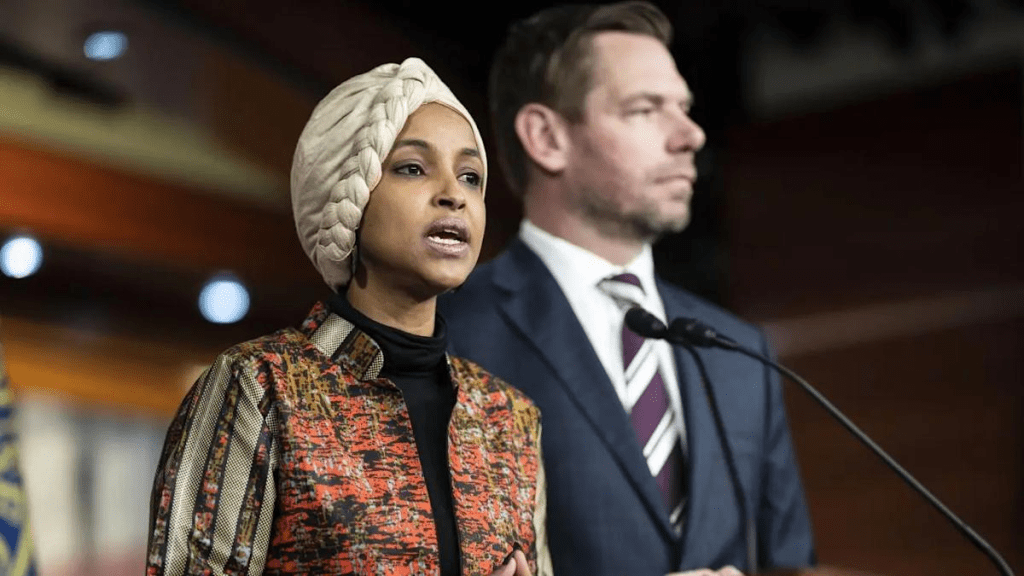
For Minnesota’s Somali residents, the fallout has been a quiet heartbreak, a resurgence of old wounds from a community that has weathered resettlement’s trials with grace. In coffee shops and mosques from Cedar-Riverside to suburban enclaves, conversations turn to the fear of collective guilt. Parents worry about their children’s schoolyard taunts, entrepreneurs about customer trust eroded overnight. “We’ve come so far, only to feel painted with the same brush,” one community advocate shared in a recent interview, her voice cracking with the weight of it. The fraud’s perpetrators—many now American citizens by birth or naturalization—represent a fraction, yet the ripple effects touch everyone. Early warnings, raised by Somali leaders themselves, were met with hesitation, sources say, as officials balanced compassion with caution against perceptions of bias. Kayseh Magan, a Somali-American official, later reflected on the bind: tolerance bordering on inaction, born of a desire to protect against racism’s sting. Now, with federal raids and headlines blaring, the community braces for more, even as elders emphasize shared values of hard work and family that define their story.
Walz’s defense on December 12 cut through this fog like a beam of resolve, though it drew swift rebuke. Online, reactions poured in—frustration from those feeling the sting of lost tax dollars, calls for ousters echoing in comment threads. “This guy is a pure and utter failure,” one observer posted, capturing a sentiment of betrayal among voters who see the governor as complicit in the oversight gaps. Others piled on, decrying the remarks as doubling down on denial, with phrases like “tripling down” and accusations of deflection filling digital spaces. A reply likened it to patterns in other political circles, always shifting blame elsewhere. Yet amid the clamor, quieter voices emerged, urging nuance: recognition that fraud wounds the needy most, from hungry kids to autistic families denied real care. The governor’s words, raw and unfiltered, seemed to stem from a place of lived empathy, forged in years of teaching high school and coaching football, where he learned to see the individual behind the label.
As 2025 draws to a close, the scandal’s tendrils reach into Minnesota’s political heart, casting a long shadow over the 2026 gubernatorial race. Walz, seeking a third term, faces a formidable Republican field eager to wield the issue like a sharpened tool. Polls show trust in state services dipping, with independents particularly vocal about demands for transparency. The House Oversight investigation, now in full swing, has zeroed in on alleged cover-ups and whistleblower retaliation, including taped discussions where Democratic figures reportedly pledged aid to implicated nonprofits in exchange for campaign support. Federal lawmakers, too, express alarm, with one noting the schemes’ sophistication: a web of affiliates laundering aid through kickbacks and false claims. Open The Books, a transparency group, has mapped additional grants flowing unchecked, underscoring the urgency. For Walz, the path forward lies in action—bolstering enforcement, partnering with community watchdogs, and rebuilding bridges frayed by doubt.
In the end, this is more than a ledger of losses; it’s a tapestry of human striving and shortfall, where good intentions met harsh realities. Minnesota’s Somali families, many arriving with nothing but hope, have enriched a state known for its Midwestern warmth. The fraud’s victims—overstretched budgets, underserved children—deserve justice without the poison of prejudice. Walz’s plea, flawed as it may feel to some, invites a deeper reckoning: How do we hold wrongdoers to account while honoring the innocent? As snow blankets the Twin Cities, perhaps the answer lies in collective resolve, a quiet commitment to vigilance wrapped in kindness. In a nation divided, Minnesota’s story whispers a truth: healing begins not with blame’s broad stroke, but with the courage to see each other clearly, flaws and all. Only then can trust, that fragile thread, be rewoven stronger.